There’s a certain comfort in small, everyday things — the warmth of a morning shower, the steam rising from a kitchen sink, the sense that, for a few moments, life is running just right. Most of us don’t give much thought to what’s behind that comfort. Somewhere in a corner of your house, maybe the basement or a utility room, your water heater is doing its job quietly and faithfully.
But in the past few years, that humble appliance has been going through a bit of a revolution. Between rising energy costs, environmental concerns, and smarter technology, the world of water heating isn’t what it used to be. It’s cleaner, more efficient, and surprisingly intelligent — proof that innovation can make even the most ordinary part of life extraordinary.
The Shift Toward Smarter Energy
We’re living in an age where people are finally paying attention to how energy is used at home. Not just because of the bills (though those help), but because we’re starting to realize every small change matters. That’s where efficiency improvements in water heating have made a huge difference.
Old systems used to be energy hogs, heating gallons of water all day even when you didn’t need it. Today’s models — whether tankless, hybrid, or heat pump systems — only heat water when it’s actually required. It’s a shift from constant output to intelligent performance, and the result is lower bills and a smaller carbon footprint.
Efficiency isn’t just about saving money. It’s about designing systems that waste less — less heat, less water, less energy. The small stuff adds up over time. A few tweaks in design and insulation can mean the difference between an appliance that drains your wallet and one that works with you, not against you.
Technology That Actually Thinks
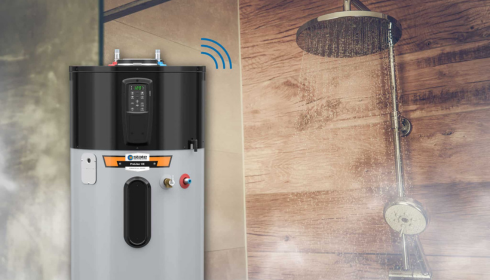
If you’ve ever wondered how your phone can control your lights or thermostat, you’ll be happy to know that same intelligence now applies to water heating. Smart water heater controls are becoming the new norm — and they’re changing how homeowners interact with their systems.
These controls let you monitor your water heater remotely, schedule heating cycles, and even detect leaks before they turn into disasters. Some can learn your household habits — when you shower, when the laundry runs — and adjust accordingly. It’s like having a tiny digital assistant dedicated entirely to making sure you never run out of hot water while still conserving energy.
Imagine being away on vacation and realizing you forgot to turn down your heater. With a quick tap on your phone, you can do it instantly. Or picture getting a notification that your water temperature dropped unexpectedly — a sign of an issue that can be fixed before it becomes costly.
It’s convenience, yes, but also control — and that’s a kind of comfort we didn’t have before.
Harnessing the Sun’s Power
When people think of solar technology, they often imagine big, high-tech panels on rooftops powering entire homes. But solar water heaters are one of the most practical, accessible ways to bring renewable energy into daily life. They capture sunlight to heat water directly, storing it for showers, cleaning, and everything else.
It’s an elegant idea — using what’s freely available instead of relying solely on the grid. In sunny regions, these systems can provide up to 80% of a household’s hot water needs. Even in cooler climates, they can drastically reduce energy costs by preheating water before it enters your main heater.
Sure, the upfront investment can seem steep. But over time, solar heaters pay for themselves through savings, tax credits, and a lifespan that often outlasts conventional systems. And let’s be honest — there’s something deeply satisfying about knowing your morning shower is powered by sunshine.
The Little Things That Make a Big Difference
Water heating might seem simple, but the details matter. Things like better tank insulation, heat traps, and recirculation systems all play a part in minimizing energy waste. Even choosing the right size heater for your household makes a big impact — too small, and you’re constantly running out of hot water; too big, and you’re wasting energy keeping extra gallons hot for no reason.
Many homeowners are also discovering the benefits of hybrid water heaters, which combine traditional electric heating with heat pump technology. These units extract warmth from the surrounding air and transfer it into the water — a process that uses up to 60% less energy than standard models.
Add to that regular maintenance — flushing sediment, checking pressure valves, inspecting anodes — and your water heater can serve you efficiently for years longer than average.
Redefining What “Comfort” Really Means
There’s a deeper shift happening here, beyond just technology. For decades, home comfort was about convenience: quick, reliable, on-demand hot water. Now, it’s about something more meaningful — comfort without compromise.
People want homes that feel good but also do good. Upgrading to smarter, greener water heating is one small but tangible way to live more sustainably without sacrificing warmth or ease. You don’t have to be an environmental activist to appreciate that balance. It’s practical. It’s smart. It’s just… the right thing to do.
And the best part? These systems are no longer reserved for tech enthusiasts or eco-obsessives. They’re accessible, user-friendly, and designed to fit seamlessly into everyday life.
A Glimpse Into the Future
The future of home water heating isn’t about bigger tanks or faster heating times — it’s about integration. Soon, your water heater will communicate with other smart systems in your home to coordinate energy use. It’ll sync with solar panels, optimize off-peak hours, and even predict demand patterns based on your daily habits.
In short, the same technology that powers electric cars and smart thermostats is finding its way into plumbing — and that’s kind of amazing when you think about it.
Manufacturers are already experimenting with self-diagnosing systems that can alert technicians automatically when a part is wearing out. Others are using artificial intelligence to predict maintenance needs before you ever notice a problem. It’s innovation meeting everyday life, quietly transforming how we experience something as simple as hot water.
Making the Switch
If you’re considering upgrading, the options can feel overwhelming — tankless, hybrid, solar, smart-controlled… it’s a lot. But the best way to start is by asking a few simple questions:
- How much hot water does my household actually use?
- What’s my budget for upfront versus long-term savings?
- Do I want a system that prioritizes sustainability, speed, or control?
Consulting with a trusted plumber or energy expert helps narrow down what fits best. Every home is different, and the right choice depends on your family’s habits and goals.
It’s not about keeping up with trends. It’s about making a decision that adds long-term value — to your home, your finances, and the planet.
The Warm Truth
At the end of the day, water heating isn’t just about plumbing or gadgets — it’s about how we live. It’s about those small, quiet luxuries that make life feel just a little bit better. The warmth in a winter bath. The comfort of knowing your system’s running efficiently. The satisfaction that you’re saving energy without even thinking about it.