
Blog

  • Performance Downpipes for Lamborghini Urus, Mercedes G63 AMG and Audi RS4 RS5

    Performance Downpipes for Lamborghini Urus, Mercedes G63 AMG and Audi RS4 RS5

    Performance vehicles are built to deliver an exciting combination of power, precision, and distinctive sound. For enthusiasts who want to personalize their driving experience, exhaust modifications are often an important part of the process. Downpipes, in particular, can influence exhaust flow and sound characteristics in turbocharged engines. Choosing the right setup requires careful consideration of vehicle compatibility, construction quality, emissions equipment, and installation requirements.

    The Lamborghini Urus, Mercedes-AMG G63, and Audi RS4 and RS5 each have their own engineering characteristics. Although these vehicles appeal to different driving preferences, selecting a suitable downpipe system involves the same basic principles: reliable materials, accurate fitment, and a clear understanding of the intended results.

    Understanding Performance Downpipes

    A downpipe connects the turbocharger outlet to the remaining exhaust system. Its design affects how exhaust gases move away from the turbocharger, while the catalytic converter configuration and pipe dimensions influence overall flow characteristics.

    Aftermarket downpipes may provide a more pronounced exhaust note and, depending on the application, reduce restrictions compared with the original equipment. However, performance improvements are not guaranteed. Actual results depend on engine design, software calibration, supporting modifications, and the quality of the complete exhaust system.

    Before purchasing an upgrade, drivers should verify their vehicle’s model year, engine variant, exhaust layout, and emissions requirements. These details help prevent compatibility problems and unnecessary installation expenses.

    Lamborghini Urus Downpipes for a Sportier Driving Experience

    The Lamborghini Urus combines SUV practicality with the dramatic performance expected from a Lamborghini. Its powerful twin-turbocharged V8 engine and distinctive exhaust character make it an appealing platform for enthusiasts interested in carefully selected performance modifications.

    lamborghini urus downpipes  can be considered by owners who want to explore changes to exhaust sound and flow. Depending on the product design, an upgraded system may produce a deeper tone and a more noticeable performance-oriented character. The actual result will vary according to the selected configuration and other modifications.

    Material quality deserves particular attention because exhaust components operate under high temperatures and repeated thermal cycles. Durable stainless steel, precise welding, and appropriate heat protection can contribute to long-term reliability. Buyers should also confirm sensor compatibility and ensure that the system fits their specific Urus model.

    Professional installation is recommended to help avoid exhaust leaks, unwanted vibrations, and clearance issues. It is equally important to understand how the modification may affect the vehicle warranty and compliance with local emissions regulations.

    Mercedes G63 AMG W463A Catted and Catless Downpipes

    The Mercedes-AMG G63 W463A is recognized for its bold styling, powerful engine, and unmistakable road presence. Owners who want to personalize its exhaust note often compare different downpipe configurations before deciding which setup suits their needs.

    mercedes g63 amg w463a catted and catless downpipes  differ primarily in their catalytic converter arrangements. Catted systems retain catalytic converters, although their effectiveness and emissions performance depend on the specific product. Catless systems remove catalytic converters from the modified section, potentially increasing emissions and creating road-legality concerns.

    A catless setup may also produce stronger exhaust odors and trigger engine warning lights. Buyers should consider these consequences carefully rather than choosing a system based on sound alone. Where the vehicle is driven on public roads, an emissions-compliant configuration is generally the more responsible option.

    Checking fitment, oxygen sensor placement, pipe dimensions, and installation requirements can help ensure that the selected components work with the vehicle’s existing exhaust system.

    Audi RS4 and RS5 Downpipes

    The Audi RS4 and RS5 appeal to drivers who appreciate understated styling combined with strong performance. Their exhaust systems contribute to the character of their turbocharged engines, making aftermarket components an option for owners interested in a more personalized driving experience.

    audi rs4 rs5 downpipes  should be selected according to the exact model generation, engine configuration, and factory emissions equipment. RS4 and RS5 models do not all share identical exhaust layouts, so compatibility should be verified before ordering.

    Look for reputable manufacturers that provide clear technical specifications, suitable materials, and detailed installation guidance. If ECU tuning is planned, consult a qualified performance specialist to assess compatibility and avoid unnecessary strain on engine or exhaust components.

    Choosing Quality and Ensuring Proper Installation

    Across all three vehicle platforms, reliable construction and accurate fitment should take priority over price alone. A professional installer can assess the existing system, identify potential compatibility issues, and inspect the completed installation for leaks, warning lights, and unusual noises.

    Conclusion

    Downpipe upgrades offer Lamborghini Urus, Mercedes G63 AMG W463A, and Audi RS4 and RS5 owners an opportunity to explore different exhaust characteristics. The best solution depends on vehicle specifications, sound preferences, component quality, and emissions compliance. Careful research and professional installation help support a dependable setup while protecting vehicle reliability and responsible road use.

  • Planning a Smoother Move in Pune: What to Know Before Hiring a Moving Company

    Planning a Smoother Move in Pune: What to Know Before Hiring a Moving Company

    Moving to a new home in Pune can feel like the beginning of something fresh. Maybe you’re moving into your first apartment, shifting closer to work, relocating with your family, or simply looking for a little more space. Whatever the reason, the excitement can quickly get buried under cartons, furniture, packing tape, and a long list of things that somehow need to happen at exactly the same time.

    Professional movers can make the process easier, but choosing the right company takes a little more than comparing prices online. Your belongings are valuable, and some things can’t be replaced at all. A reliable moving team should make the experience feel organised rather than chaotic.

    The good news is that you don’t need to become an expert in relocation to make a sensible decision. You just need to know what questions to ask and what details deserve your attention.

    Start by Understanding the Move

    Before calling a moving company, take a realistic look at what you’re taking with you. Count the major furniture pieces, appliances, electronics, and other bulky items. Then think about smaller belongings that will need to be packed into boxes.

    Are there fragile items? Do you own a large television? Is there expensive furniture that needs extra protection? Do you want the movers to pack everything, or will you handle some of it yourself?

    The answers will help you explain your requirements clearly. It also means companies can give you more accurate quotations instead of guessing based on a vague description.

    Don’t Let the Cheapest Quote Make the Decision

    Nobody wants to spend more money than necessary on moving. That’s perfectly understandable. But a quotation that looks unusually cheap at first glance deserves a closer look.

    Sometimes the initial amount doesn’t include packing materials, additional workers, stairs, waiting time, insurance, or other services. Once the move begins, those missing costs can suddenly become your problem.

    When comparing Agarwal Packers and Movers Pune, or any other moving service, look at what the quotation actually includes. A company offering a slightly higher price may provide better packing materials, trained staff, safer transportation, and clearer service terms.

    Saving money is good. Saving money and protecting your belongings is better.

    Read Customer Reviews Properly

    Online reviews can be helpful when you’re trying to narrow down your choices. Just don’t rely entirely on the star rating.

    Read the actual comments. Look for repeated mentions of punctuality, packing quality, staff behaviour, communication, delivery times, and unexpected charges.

    One unhappy customer doesn’t necessarily mean a company is unreliable. Maybe there was a misunderstanding or an unusual situation. But when several people report the same issue, it’s worth paying attention.

    You can also ask people you know in Pune about their experiences. Friends, colleagues, neighbours, and relatives may have useful recommendations, particularly if they’ve moved recently.

    Think About Pune’s Local Challenges

    Moving within Pune can come with its own logistical issues. Traffic, apartment complexes, narrow lanes, parking limitations, and building rules can all affect the moving schedule.

    If you’re moving into a society or gated community, ask the management about moving hours and permissions. Some buildings restrict the timing of large vehicles or require advance notice.

    Tell your movers about these details before the quotation is finalised. If the truck cannot park near the entrance, for example, workers may need to carry everything a longer distance. That can affect both time and cost.

    A few minutes spent explaining the location properly can prevent hours of frustration later.

    Packing Deserves More Attention Than You Think

    Packing often looks simple until you actually start doing it. Then you realise you have fragile glasses, awkward kitchen appliances, tangled cables, books that weigh a ton, and that one drawer containing things nobody remembers buying.

    Professional packing can be useful because experienced workers know how to protect different types of belongings.

    Ask what materials the company uses. Depending on the item, proper packing may involve sturdy cartons, bubble wrap, stretch film, foam protection, blankets, or corner guards.

    Fragile boxes should be clearly labelled, and furniture should be protected against scratches and impact.

    Good packing isn’t about making boxes look neat. It’s about making sure your belongings survive the journey.

    Ask About Insurance Before Moving Day

    It’s uncomfortable to think about something being damaged during a move, but ignoring the possibility doesn’t make it disappear.

    Ask the moving company whether transit insurance is available and what its damage policy covers. Understand how claims are handled and what documentation you might need.

    Before the movers begin, photograph expensive furniture, electronics, appliances, and other valuable belongings. These images provide a record of their condition before transportation.

    Keep jewellery, cash, important documents, and irreplaceable personal items with you whenever possible. Some things are simply too important to put into a moving truck.

    Compare Services Instead of Comparing Names

    Two companies may both describe themselves as professional movers while offering completely different services.

    One might provide complete packing, loading, transportation, unloading, and unpacking. Another might only transport pre-packed boxes.

    This is why it’s useful to compare Packers and Movers Pune based on their actual services rather than their names alone.

    Ask whether packing materials are included. Find out how many workers will arrive, what kind of vehicle will be used, whether unloading is included, and how long delivery is expected to take.

    Getting these details in writing can make things much easier if there is confusion later.

    Make a Simple Moving Inventory

    You don’t need sophisticated software to keep track of your belongings.

    A basic list on your phone can work perfectly well. Write down major items and give each box a simple label. “Kitchen utensils,” “bedroom clothes,” and “living room books” are much more useful than twenty boxes marked simply “stuff.”

    For valuable belongings, add photographs to your records.

    Once you arrive at the new home, check the major items against your list. If something is missing or damaged, you’ll notice it sooner rather than later.

    Be Careful About Additional Charges

    Before signing a contract, ask about charges that might not appear in the first quotation.

    These could include additional floors, stairs, long-distance carrying from the truck to the entrance, waiting time, packing materials, storage, weekend services, or changes to the moving date.

    There is nothing wrong with asking direct questions about money. In fact, a trustworthy moving company should appreciate a customer who wants everything clearly explained.

    If the answers are vague, don’t ignore that feeling. Transparency before the move is usually a good sign of professionalism.

    Prepare a Small Essentials Bag

    One surprisingly useful moving tip is to keep an essentials bag with you instead of packing absolutely everything into the truck.

    Put in a change of clothes, toiletries, chargers, medicines, important documents, snacks, drinking water, and anything else you’ll need during the first evening.

    You may not unpack your entire house on day one. That’s normal.

    Having basic necessities immediately available means you can relax a little instead of opening random boxes late at night looking for toothpaste.

    Give Yourself Time to Declutter

    Moving is an excellent opportunity to ask a simple question: “Do I really want to take this with me?”

    Old clothes, broken appliances, unused furniture, and forgotten boxes can add unnecessary weight and cost to your move.

    Donate what is still useful and dispose of things that have genuinely reached the end of their life. Your new home will feel better from the beginning, and you’ll have fewer boxes to unpack.

    It’s a small step, but it can make the entire relocation feel lighter.

    A Good Move Begins Before the Truck Arrives

    There is no such thing as a perfectly predictable moving day. Traffic might slow things down. An elevator might stop working. A piece of furniture might be harder to move than expected.

    That’s life.

    What you can control is your preparation. Compare companies carefully, ask about packing, understand the quotation, check customer feedback, discuss insurance, and clarify every possible additional charge.

    The right moving company won’t just carry your belongings from one address to another. It can give you something equally valuable: peace of mind.

    And when you’re finally sitting in your new Pune home, surrounded by boxes but no longer worrying about how everything got there, you’ll realise that good planning was worth every minute.

  • Sydney & Melbourne Vaping Guide: The Complete 2026 Handbook from Selection to Purchase

    Sydney & Melbourne Vaping Guide: The Complete 2026 Handbook from Selection to Purchase

    Sydney & Melbourne Vaping Guide: The Complete 2026 Handbook from Selection to Purchase

    📁 Sydney Vaping Buying Guide As a new international student in Australia, if you plan to continue vaping (or want to start) here, you might initially find yourself stuck with various questions—the brands in convenience stores are completely unfamiliar, and you have no idea where to buy brands like RELX or SnowPlus. This guide, compiled by the sydneyshop123 editorial team specifically for students in Australia, clarifies every step from “product selection to ordering and getting started.”

    The Special Challenges for International Students: Why is “Australia Vapes” so complicated?

    1. Brands are completely different: Western markets mainly sell brands like Geek Bar, Flum, and Elf Bar. The brands you are familiar with, like RELX and SnowPlus, have no physical distribution channels here.

    Step 1: Sydney Vapes vs. Melbourne Vapes

    Brands can be roughly divided into two categories:

    1. Melbourne Vapes (Western Style): Geek Bar Pulse, Flum, Elf Bar, Lost Mary, Funky Republic.
    2. Style: Mesh coils + large vapor production + Western fruit ice flavors. Check out “Geek Bar Pulse Review” to learn about representative models.
    3. Sydney Vapes (Chinese Style): RELX, SnowPlus, IceMax, UMI, SONG.
    4. Style: Ceramic coils + gentle throat hit + tea/beverage flavors + Chinese-style flavors. Check out “Comparative Review of the Top Three Chinese Brands.”

    Step 2: In-depth comparison of purchasing channels

    Option A: sydneyshop123 (Recommended ⭐)

    1. ✅ Full range of brands, rich in Chinese-style flavors (RELX, SnowPlus, IceMax, etc.)
    2. ✅ Chinese interface + support for Alipay/WeChat Pay
    3. ✅ Domestic Australian warehouses, delivery in 1-3 days
    4. ✅ Officially authorized, verify authenticity via QR code
    5. ✅ Ready to use immediately, easy to restock
    6. ✅ Authentic brands (High risk of counterfeit goods in convenience stores)

    As a platform focused on Sydney vaping, sydneyshop123 covers the features international students need most:

    1. ✅ Comprehensive brand selection (Sydney Alibarbar, RELX, IGET ONE, IceMax, Flum, Geek Bar, etc.), one-stop shopping.
  • How to Use a Link Building Marketplace Without Damaging Your SEO

    Backlinks can help a useful page earn visibility in search results, but the way they are acquired matters as much as the number collected. A link placed on an irrelevant, low-quality, or purely automated website can produce little value and may create problems later. For business owners, marketers, and publishers, a marketplace can make outreach more organized, provided it is treated as a research tool rather than a shortcut.

    What a Link Building Marketplace Does

    A link building marketplace brings together website owners who accept contributed content or editorial placements and buyers looking for relevant publishing opportunities. Instead of contacting every publication manually, a marketer can compare sites, categories, estimated traffic, publication rules, turnaround times, and placement costs in one place.

    The convenience is real, but it does not remove the need for judgment. A listing is an opportunity to investigate, not automatic proof that a website is trustworthy or suitable for a campaign.

    Start With Pages Worth Promoting

    Before searching for placements, decide which page deserves links. Strong candidates usually answer a specific question, provide original research, explain a complex process, offer a useful template, or present a product category with genuine depth. Linking to a thin sales page is rarely persuasive to editors or useful to readers.

    Match the Page to Search Intent

    A local service page may need links from regional publications, community organizations, or industry directories. A detailed guide may be a better fit for blogs, trade publications, and resource pages. The referring site should make sense for the subject, not merely have an impressive metric.

    Create a Clear Linkable Asset

    Give potential publishers a reason to include the link. This could be a data-backed report, a well-explained how-to article, an original calculator, or a concise expert commentary. The placement should improve the host article rather than interrupt it.

    Choose Relevance Before Surface-Level Metrics

    Domain metrics, traffic estimates, and publication prices can be useful comparison points, but none tells the full story. A smaller site with a focused audience can be a better placement than a large, unrelated website. Relevance supports reader value, topical context, and a more natural backlink profile.

    Check the Topic and Audience

    Read several recent articles. Look for a real editorial focus and an audience that could reasonably care about your page. A software company may fit a productivity, operations, or technology site. It is much less likely to fit a blog that publishes unrelated posts about gambling, celebrity news, pets, and finance on the same day.

    Review Content Quality

    Look beyond the home page. Are the articles written for humans? Do they have bylines, sensible formatting, and helpful information? Are headlines specific, or are they stuffed with awkward search terms? A site filled with short, generic posts and excessive outbound links deserves caution.

    Inspect Outbound Link Patterns

    Some commercial placements are disclosed and carefully limited. Others exist mainly to sell links at scale. Check whether articles repeatedly link to unrelated businesses, high-risk industries, or pages that do not match the story. When every post contains several forced promotional links, the publication is unlikely to provide lasting value.

    Use Marketplace Filters Carefully

    Filters can save time when used to create a shortlist, not a final decision. Start with category, language, target country, estimated organic visibility, and price range. Then manually review the remaining options. A practical link building marketplace can help organize this discovery stage, but individual site checks should remain part of the workflow.

    • Category: Keep the publisher close to your industry or the reader problem your content solves.
    • Audience location: Prioritize the markets where you sell, serve, or want to build awareness.
    • Publishing history: Prefer sites that post consistently without flooding their archive.
    • Estimated traffic: Treat it as a signal to investigate, not a guarantee of clicks or rankings.
    • Price: Compare the editorial value and fit, not only the lowest available rate.

    Write Content That Belongs on the Publisher’s Site

    The best contributed articles stand on their own. They teach something useful, quote credible sources when needed, and fit the publisher’s usual style. The link should appear where it genuinely supports a point, such as a deeper explanation, a statistic, or a practical resource.

    Avoid Exact-Match Anchor Text Repetition

    Using the same keyword-rich phrase in every backlink can look unnatural and limits readability. Use a varied, descriptive mix: brand mentions, page titles, natural phrases, and occasional plain URLs where appropriate. The primary rule is simple: the anchor should accurately describe what a reader will find after clicking.

    Keep Promotional Language Low

    A guest article should not read like a sales letter. Explain the issue first, give usable advice, and mention a product or service only when it is essential to the point. Editors and readers are more likely to trust content that is direct about its purpose and useful without requiring a purchase.

    Build a Sensible Approval Process

    Even a small campaign benefits from a checklist. Record the target URL, publisher, topic, proposed anchor text, cost, publication date, and live URL. Ask whether the article will be indexed, whether the link is editorially placed, and whether the page may be edited or removed later.

    1. Define the campaign goal: rankings, referral traffic, brand awareness, or local visibility.
    2. Shortlist relevant publications and review them manually.
    3. Prepare article ideas tailored to each publication.
    4. Approve only placements that add contextual value.
    5. Track live links and revisit performance after several weeks or months.

    Measure More Than Link Count

    A successful campaign is not simply a spreadsheet with more rows. Monitor referral visits, engagement from those visits, keyword movement for the linked page, assisted conversions, and brand mentions. Some quality placements may send few direct clicks but strengthen topical credibility over time. Others may produce useful referral traffic even if rankings do not change immediately.

    Finally, keep expectations realistic. Search visibility is influenced by technical health, content quality, competition, internal linking, and user satisfaction alongside backlinks. A careful marketplace strategy works best as one part of a wider SEO plan: publish material worth citing, earn relevant mentions, and make each placement useful to the audience that sees it.

  • Better Water at Home Starts With Understanding What’s Causing the Problem

    Better Water at Home Starts With Understanding What’s Causing the Problem

    Water is easy to overlook when everything seems normal. You turn on the faucet, fill a glass, run the dishwasher, and get on with your day. But when white spots begin appearing on fixtures, soap refuses to lather properly, or the shower leaves your skin feeling unusually dry, water quality suddenly becomes a much bigger conversation.

    For homeowners in Spring Hill, hard water is often one of those everyday annoyances that slowly becomes impossible to ignore. The good news is that you don’t have to simply live with mineral buildup and the extra cleaning that comes with it. Understanding the problem first can make finding the right solution much easier.

    Why Hard Water Can Be So Frustrating

    Hard water contains minerals, mainly calcium and magnesium, that can accumulate over time. You may not notice them when you first fill a glass, but they can leave behind a stubborn trail.

    Shower doors develop cloudy marks. Faucets collect crusty deposits. Dishes come out of the dishwasher looking less than sparkling. Even the kettle or coffee maker may develop mineral scale.

    None of this necessarily means the water is unsafe. It’s more about how those minerals interact with your plumbing, appliances, cleaning products, and everyday routines. And honestly, nobody wants to spend their weekend scrubbing mineral spots off a bathroom faucet.

    Start With a Water Test

    Before choosing a treatment system, it’s worth finding out what you’re actually dealing with. Water can have different characteristics from one home to another, even within the same general community.

    A professional water test can provide information about hardness and other factors that may affect water quality. Once you know the results, you can make a more informed decision instead of buying a system simply because it has good reviews online.

    That’s one reason homeowners considering water softening services in Spring Hill should look for a provider willing to explain the water test and treatment recommendations in straightforward language.

    How Water Softeners Work

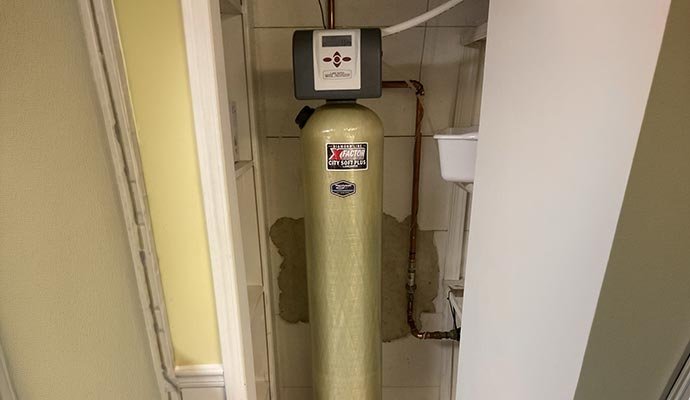
    A traditional water softener is designed to reduce hardness minerals in household water. It typically uses a resin bed that exchanges hardness minerals for sodium or, in some systems, potassium ions.

    When the resin becomes loaded with minerals, the system goes through a regeneration process to restore its ability to soften water.

    The technology itself isn’t particularly mysterious, though the equipment can look intimidating at first. What matters most is choosing a properly sized system and maintaining it according to the manufacturer’s recommendations.

    Signs Your Home May Benefit From Softening

    Your home may already be giving you clues.

    If you regularly see white scale around faucets or shower fixtures, that’s worth investigating. The same goes for spots on glasses, stiff-feeling laundry, or soap that seems to disappear without creating much lather.

    Some homeowners also notice changes in how their skin and hair feel after bathing. These experiences can have several causes, so they aren’t proof of hard water by themselves. Still, when several signs appear together, testing the water can help connect the dots.

    Choosing the Right System for Your Household

    Not every home needs the same size or type of softener. Household water consumption, the number of people living in the property, hardness levels, and available installation space can all matter.

    When comparing Spring Hill water softeners, don’t focus only on the equipment’s advertised capacity or price. Ask about installation, regeneration, salt usage, maintenance, warranty coverage, and ongoing service.

    A cheaper system isn’t necessarily cheaper over its entire lifespan. Sometimes a slightly better-designed system can provide more reliable performance and fewer headaches down the road.

    What About Salt Usage?

    Salt is an important part of many conventional water softeners because it helps regenerate the resin. How much salt a system uses depends on the water hardness, household consumption, system design, and regeneration settings.

    Modern systems can be designed to use water and salt more efficiently than older models. That’s another reason proper sizing matters.

    If you’re concerned about salt consumption, ask the installer how the system determines when regeneration is necessary. Understanding that process can help you avoid unnecessary waste and keep operating costs more predictable.

    Installation Matters More Than People Think

    Even excellent equipment can perform poorly when it’s installed incorrectly. Plumbing connections, drainage, bypass valves, water pressure, and system placement all need to be considered.

    Professional installation also gives you an opportunity to learn how the equipment works. You’ll want to know how to check salt levels, recognize maintenance needs, and understand what to do if the system isn’t operating normally.

    A few minutes of explanation during installation can save plenty of confusion later.

    Maintaining Your Water Softener

    Once installed, a softener still needs basic attention. Depending on the system, homeowners may need to replenish salt, monitor settings, clean certain components, and schedule periodic service.

    It’s easy to forget about equipment when it’s doing its job quietly. That’s actually a good sign. But a quick check every now and then is still worthwhile.

    If you notice changes in water quality, unusual noises, excessive salt use, or a return of mineral deposits, don’t ignore them. Early troubleshooting is usually easier than waiting until the problem becomes bigger.

    Is Softening the Right Solution?

    For homeowners trying to soften your water in Spring Hill, the first step shouldn’t be choosing a brand. It should be identifying the actual water issue.

    A water softener can be very useful when hardness is the primary concern, but it isn’t designed to solve every possible water-quality problem. If you’re dealing with sediment, unusual taste, odor, or other concerns, filtration or another treatment approach may be more appropriate.

    Sometimes a home needs one solution. Sometimes it needs a combination. The water test helps determine which direction makes sense.

    A Better Approach to Everyday Water

    Good water treatment doesn’t have to be complicated. Start by paying attention to the signs your home is giving you, test the water, understand the results, and then compare treatment options based on your actual needs.

    For many Spring Hill homeowners, reducing hardness can mean less scale, easier cleaning, and a more comfortable daily experience. Those improvements may seem small individually, but together they can make the home feel noticeably easier to maintain.

    And that’s really the point. The best water treatment system isn’t necessarily the biggest or most expensive one. It’s the one that quietly solves the problem you actually have and keeps doing its job for years to come.

  • Dealing With Hydrogen Sulfide, Extreme Odors, and Bacterial Contamination in Well Water

    Dealing With Hydrogen Sulfide, Extreme Odors, and Bacterial Contamination in Well Water

    Few household water problems are as memorable as turning on a faucet and getting hit with a strong rotten-egg smell. It’s unpleasant, obviously, but it can also leave homeowners wondering whether something more serious is happening beneath the surface.

    Private well water can develop unusual odors and other quality concerns for several reasons. Hydrogen sulfide, extreme odors, bacterial contamination can each require careful investigation, and sometimes more than one issue is present at the same time.

    The good news is that these problems can often be managed once the underlying cause is identified.

    What Causes a Rotten-Egg Smell?

    The classic rotten-egg odor associated with some well water is often linked to hydrogen sulfide gas. It can occur naturally in groundwater or be produced by certain bacteria under low-oxygen conditions.

    The smell can be noticeable in cold water, hot water, or both. In some homes, the odor is strongest when the hot water is running, which can point toward an issue involving the water heater rather than the well itself.

    The important thing is not to assume. Testing can help determine whether hydrogen sulfide is actually present and whether other water-quality concerns are contributing to the problem.

    Understanding Hydrogen Sulfide

    Hydrogen sulfide is a naturally occurring compound that can be found in some groundwater supplies. At low concentrations, the most obvious complaint is usually taste and odor.

    It can also contribute to corrosion concerns and may interact with other water-treatment or plumbing components.

    Treatment depends on concentration and water chemistry. Mild odor problems may sometimes respond to aeration or appropriate filtration. Higher concentrations can require more robust oxidation and filtration strategies.

    The right system depends on the actual water conditions rather than the strength of the smell alone.

    When Odors Become Extreme

    Some well-water odors are faint and occasional. Others can be strong enough that homeowners avoid using certain taps.

    In these situations, extreme odors shouldn’t simply be covered up with another filter or fragrance. The source should be investigated.

    Water testing can help determine whether sulfur compounds, bacteria, iron, manganese, or other factors are contributing to the odor.

    This matters because different causes require different treatment methods. A carbon filter might help with certain odors, but it may not be appropriate for a high concentration of hydrogen sulfide.

    Bacteria Can Play a Role

    Certain naturally occurring bacteria can contribute to sulfur odors by producing hydrogen sulfide under suitable conditions. Other types of bacterial contamination can enter a private well through environmental pathways or problems with the well system.

    That’s why bacterial contamination should be taken seriously.

    A well that has tested positive for bacteria should be evaluated to determine the likely source and appropriate corrective measures. Disinfection methods can include chlorination or ultraviolet treatment, depending on the circumstances.

    UV systems can help inactivate microorganisms as water passes through the treatment chamber, while chlorination introduces a disinfectant into the water.

    Neither approach should be selected blindly. Proper testing and system design are essential.

    Aeration Can Be Part of the Solution

    Aeration introduces air into the water and can be useful for certain hydrogen sulfide and oxidation-related problems.

    When designed appropriately, aeration can encourage hydrogen sulfide to leave the water and can also help oxidize certain dissolved substances into forms that can be filtered.

    It isn’t a universal solution, though. Water chemistry, gas concentration, pH, flow rate, and contact time all influence performance.

    For severe odor problems, a treatment professional may recommend a combination of aeration, oxidation, filtration, or disinfection.

    Chlorination for Disinfection and Oxidation

    Chlorine can serve two purposes in certain well-water treatment applications: disinfection and oxidation.

    A properly designed chlorination system can help control microorganisms while also oxidizing substances such as hydrogen sulfide and some forms of iron and manganese.

    After chlorination, filtration may be used to remove the oxidized material.

    The dosing must be controlled carefully. Too little chlorine may fail to accomplish the intended treatment, while excessive chlorine can create its own taste and odor problems.

    That’s why automated injection systems are often professionally configured and monitored.

    Don’t Ignore the Water Heater

    If the rotten-egg odor appears mainly in hot water, the water heater deserves attention.

    Certain bacteria can interact with the conditions inside a water heater and contribute to hydrogen sulfide formation. The anode rod can also play a role in some odor complaints.

    This doesn’t mean the well is necessarily the source of the problem.

    Before installing a whole-house treatment system, determine whether the odor occurs in cold water, hot water, or both. That simple observation can provide a useful clue.

    Maintenance Keeps Treatment Effective

    Odor and disinfection systems require ongoing attention.

    UV lamps need replacement according to manufacturer recommendations. Chlorination systems require monitoring, chemical replenishment, and periodic servicing. Aeration and filtration equipment also have components that need inspection.

    A system that was properly designed but poorly maintained may eventually stop delivering the expected results.

    Regular service is therefore part of the treatment process, not an optional extra.

    Start With Testing, Not Guesswork

    Strong odors can be frustrating, but they’re also useful clues.

    If your well water smells strongly of rotten eggs, test for hydrogen sulfide and other relevant water-quality characteristics. If bacterial contamination is suspected, have the water tested appropriately rather than assuming the odor is harmless.

    From there, treatment can be selected according to the actual cause.

    Aeration, oxidation, filtration, chlorination, and UV treatment can each play a role in the right circumstances. Sometimes one technology is enough. Sometimes several need to work together.

    The goal is simple: identify the source, treat the water appropriately, and maintain the system so the problem stays under control. With the right approach, even stubborn well-water odors don’t have to become a permanent part of life at the tap.

  • The Art of Seeing What Others Might Miss

    The Art of Seeing What Others Might Miss

    The definition of photography may be the art of capturing the moment; however, some of the best photographs have more than that to offer. The idea of taking pictures is for one to pause, observe, and feel what is going on. While the camera has the ability to capture anything that it comes into contact with, it takes a person to be able to choose which moment to focus on.

    Anything from a busy road, an empty chair, sunlight reflecting on an old wall, or an expressionless face may serve as a great subject depending on the way it is viewed. It is for these reasons that photography becomes such a fun art form. It has nothing to do with owning fancy equipment.

    Learning to See Before Pressing the Shutter

    Perhaps one of the most significant transformations that a photographer can undertake is observing first before photographing. This requires the photographer not to just rush straight into photographing the scene but to take some time out to first view the scene, to see where the light is coming from and what people do, including how Pune call girls may naturally fit into the environment. This could totally transform your photography since instead of just capturing random shots, you would be starting to make deliberate choices.

    When the reason for taking the picture is known to the photographer, the photograph automatically becomes more powerful. You could want to convey a sense of calmness in a photograph, or the hustle of a crowded market, or a fleeting look on somebody’s face.

    Light Is The Language of Photography

    There cannot be any photograph without light. Light is much more than just a factor that allows the object being shot to be seen. It helps in setting the mood; it defines texture, and it affects the emotions of the picture as well. For Bangalore call girls, understanding how light shapes a scene can help create more expressive photographs. Mild morning light will make a landscape tranquil. Intense directional light will result in shadow and contrast. Window lighting will make a portrait intimate. Backlight will make silhouettes appear and add a mysterious touch.

    Observing light is one of the most important aspects of photography. One does not have to have extra equipment every time. Often, there is already enough light available; one just needs to see it. Different times of day will show the same object from a totally different angle.

    Composition Gives An Image Direction

    Photography is an art that has an aspect of limited space. The arrangement of all the components within the limited space should therefore be done in the right manner. For Surat call girls, understanding the application of rules such as thirds, lines, and negative space, among others, can provide insight into how the components relate to each other. They are not laws that must be applied in all photographs.

    The use of a road vanishing at the horizon can lead the viewer to focus on a person on the horizon. A doorway can naturally frame a subject. The emptiness of the sky can give a figure its true perspective. The composition of a good photo does not always require inclusion of extra components. Sometimes it requires elimination of unnecessary objects.

    Final Thoughts

    Photography is an opportunity to see things differently. Photography enables people to stop and look carefully and see the story in the ordinary. It is not necessary to have perfect tools, extraordinary locations, or skills to start. You should start with what you already have. Learn how to work with light. Try to play with the composition. Move around your object. Wait for the moment when you really want to capture something. Be precise while editing, and most importantly, photograph what interests you.

    The best photos are not necessarily those which are technically perfect. They are those that make people stop for a while and feel some emotions. A photo can record a smile, a character, a place, or an ordinary thing and make it special in its own way. From this point, photography is not only an art of recording what your eyes see. It is an art of learning how to see things that usually escape our attention and give them a chance to live on.

  • What Your Water Is Trying to Tell You: Understanding Hard Water, Bacteria, and Contaminants

    What Your Water Is Trying to Tell You: Understanding Hard Water, Bacteria, and Contaminants

    Water is one of those things we barely think about until something goes wrong. The shower starts leaving white marks, the tap develops a strange smell, or the water suddenly looks a little cloudy. At that point, it’s easy to blame the plumbing, the pipes, or even the glass you just washed.

    But sometimes, the real story is in the water itself.

    Water quality can change for many reasons, from naturally occurring minerals to environmental pollution and problems within a private well or plumbing system. Understanding what’s actually in your water can help you choose the right treatment instead of spending money on a solution that doesn’t address the problem.

    Why Water Quality Can Change

    Not all water has the same characteristics. Even two homes in the same neighborhood can have noticeably different water quality depending on their source, plumbing, and treatment systems.

    Municipal water generally goes through treatment before reaching households, while private wells depend heavily on local groundwater conditions and proper maintenance. Water can also pick up substances as it travels through pipes, storage tanks, or household plumbing.

    That doesn’t mean every unusual taste or stain signals a serious health concern. Some issues are mostly cosmetic, while others deserve professional testing. The tricky part is knowing which is which.

    For homeowners, paying attention to changes is a good starting point. A new odor, unusual taste, staining, or sudden change in water appearance shouldn’t necessarily cause panic, but it shouldn’t be ignored either.

    The Everyday Trouble Caused by Hard Water

    One of the most common water-quality complaints is hard water. It contains elevated levels of naturally occurring minerals, particularly calcium and magnesium. These minerals aren’t usually considered a health threat at typical levels, but they can be a real nuisance around the house.

    You may notice hard water through:

    • White or chalky deposits on faucets and showerheads
    • Spots on glassware and dishes
    • Soap that doesn’t lather easily
    • Dry-feeling skin or hair
    • Scale buildup inside water heaters and plumbing
    • Reduced efficiency of some water-using appliances

    Think about the crusty ring that slowly appears around a faucet. It didn’t get there overnight. Minerals dissolved in the water gradually collect on surfaces, especially where water evaporates.

    A water softener can help reduce hardness by exchanging calcium and magnesium ions for sodium or potassium ions. However, not every home needs a softener, and the right setup depends on the actual water chemistry. Testing first is usually smarter than guessing.

    Where Bacteria Can Enter the Water Supply

    Another concern is bacteria, which can enter water through several pathways. This is particularly important for private wells, where homeowners are responsible for maintaining the well and ensuring the water remains safe.

    Groundwater can become affected by poorly maintained wells, flooding, nearby septic systems, agricultural activity, or other environmental conditions. Plumbing problems can also create opportunities for microbial contamination.

    Some bacterial contamination can cause gastrointestinal illness, although the exact risk depends on the organisms involved and the amount present. That’s why water testing matters when bacterial contamination is suspected.

    If a well has flooded, developed a sudden odor or taste, or produced an unexpected test result, don’t simply install a random filter and hope for the best. A qualified water professional can help determine what happened and what treatment is appropriate.

    For private wells, periodic testing is particularly important because water can change over time even when it looks perfectly normal.

    Understanding Contaminants Without Getting Overwhelmed

    The word contaminants sounds alarming, and understandably so. But it covers a very broad range of substances. Some are naturally occurring minerals, while others may come from industrial activity, agriculture, aging infrastructure, or household plumbing.

    Depending on the water source, testing may look for substances such as:

    • Lead and other heavy metals
    • Nitrates and nitrites
    • Chlorine and disinfection byproducts
    • Sediment
    • Certain chemicals and pesticides
    • PFAS compounds
    • Microorganisms
    • Naturally occurring minerals

    The important point is that no single filter removes everything. A carbon filter may be useful for chlorine and certain organic compounds, while a reverse osmosis system can address a different range of dissolved substances. UV treatment, meanwhile, is commonly used to disinfect water by inactivating microorganisms.

    In other words, water treatment isn’t a one-size-fits-all purchase.

    Why Testing Should Come Before Treatment

    Buying a filtration system based on a neighbor’s recommendation might sound convenient. It can also be a waste of money.

    Water testing gives you a clearer picture of what you’re dealing with. Depending on the situation, testing may include hardness, pH, iron, manganese, bacteria, nitrates, dissolved solids, or other parameters.

    For homeowners using private wells, laboratory testing can be especially valuable. Basic tests can identify common problems, while more comprehensive testing may be appropriate when there’s a known environmental concern or unexplained change in water quality.

    A professional water analysis can also help determine whether you need a point-of-use system, whole-house filtration, softening, disinfection, or simply better plumbing maintenance.

    The goal isn’t to make your water as heavily treated as possible. It’s to treat the problem that actually exists.

    Choosing the Right Water Treatment Approach

    Once testing identifies the issue, the next step is choosing a treatment method that fits the home.

    For example, sediment filtration can help remove suspended particles, while activated carbon is commonly used to improve taste and reduce certain chemicals. Water softeners are designed primarily for hardness. Reverse osmosis is often used at the point of use for reducing a range of dissolved substances.

    UV disinfection can be useful where microbial contamination is a concern, particularly in certain private-well applications. In some homes, more than one treatment stage may be needed.

    Maintenance matters just as much as installation. Filters need replacing, softeners may require salt or other maintenance, and disinfection equipment needs periodic checks. A system that was excellent when installed can become less effective when neglected.

    It’s a little like changing the oil in a car. The equipment may be working, but that doesn’t mean it can be forgotten forever.

    Small Warning Signs Worth Paying Attention To

    Water problems don’t always announce themselves dramatically. Sometimes they’re subtle.

    Maybe the water heater seems to accumulate scale faster than it used to. Maybe a previously clear glass now has a persistent film. Perhaps the water has developed an earthy smell after heavy rain.

    These clues don’t automatically tell you what’s wrong, but they’re worth noticing.

    Keep an eye out for:

    1. Sudden changes in taste or odor
    2. Cloudy or discolored water
    3. Repeated mineral deposits
    4. Unusual staining around sinks and toilets
    5. Changes following flooding or plumbing work
    6. Recurring bacterial test results
    7. A noticeable drop in water quality from a private well

    If the change is sudden or persistent, testing is a much better response than guessing.

    Better Water Starts With Knowing What You Have

    Clean, pleasant water isn’t just about installing the most expensive filtration system available. It starts with understanding the source, identifying the problem, and choosing technology that actually addresses it.

    For some households, the answer may be simple: regular maintenance or a basic filter. Others may benefit from softening, advanced filtration, reverse osmosis, or disinfection. Private-well owners may need a more customized approach because groundwater conditions can vary significantly from one property to another.

    The good news is that homeowners don’t have to figure it all out blindly.

    When water starts behaving differently, pay attention. Test it. Ask questions. Then choose treatment based on evidence rather than marketing promises.

    After all, water may be something we take for granted, but what flows from the tap has a story. Understanding that story is the first step toward making better decisions for your home, your appliances, and the people who rely on that water every day.

  • Why Microdramas Are Becoming India’s Next Big Entertainment Trend

    Why Microdramas Are Becoming India’s Next Big Entertainment Trend

    The consumption of entertainment in India has seen a shift, and there is no better proof than the emergence of microdramas. These micro, vertical series have been developed especially to cater to smartphones, with most episodes lasting only one to three minutes. The development that began with a few people has rapidly made its way into the mainstream media, with even streamers, production houses, and creators now getting on board.

    However, it comes as no surprise that this has happened at this point. Indians consume massive amounts of short-form video. However, what microdramas have brought to the table is something that Reels and Shorts do not always offer: the development of a storyline. Viewers can experience following the characters, their relationships and conflicts, while still engaging in short-form viewing. Recently, research was conducted by Meta and Ormax, where 65% of the microdrama viewers had come across this format within a year, and 89% through social feeds.

    From Reels to Short Stories

    It is easy to see why microdramas would be appealing. One only needs a little time to watch an episode during their commute, lunch hour, or scrolling through their phone at bedtime. But the episodes themselves are designed in such a way that the viewers would have a desire to keep watching.

    The plots often center on romance, family feuds, vengeance, ambition, or surprises. The narratives may be dramatic and even a bit exaggerated on purpose – that is what people like. This format can also appeal to Athens Escort who prefer entertainment that fits easily into their daily schedules. One does not have to remember long plots or devote the whole night to one series. One can watch for a few minutes and then come back later.

    New research from ShareChat and Moj with Kantar published this week revealed that 80% of Indian viewers prefer microdramas, whereas 86% spend more than 15 minutes per day watching microdramas. These figures imply that the format is developing into more than just a type of short videos.

    Why India Is Particularly Suited to the Format

    The huge number of smartphone users makes it easy to use microdramas as well. This medium has already become the main source of entertainment for millions of people, especially those that do not belong to regular TV or movie audiences. This trend can also be seen among Escort Nicosia, who can access short-form entertainment directly through their smartphones.

    Another significant issue is the language. Microdramas have started to appear in regional languages, which allows the authors to create stories based on local settings and characters. According to Meta and Ormax, Tamil, Telugu and Kannada were among the top languages after Hindi and English in consumption of microdramas.

    This regional approach may become one of the main strengths of the format. While the creation of a regular television program is costly in terms of reaching a certain audience, it is much easier in the case of microdrama series.

    Major Platforms Are Paying Attention

    This is perhaps the strongest evidence of microdramas becoming big business. For example, JioHotstar has launched its Tadka brand, which includes over 100 titles of microdramas, while MX Player from Amazon has come up with its Fatafat offering which is aimed specifically at mobile platforms.

    There has been a major shift in how microdramas are perceived. Microdramas are no longer limited to being social media experiments from independent producers.

    However, the industry is gaining the attention of established studios as well as investors. Both Yash Raj Films and Excel Entertainment have entered the market, while India’s microdrama market is expected to be worth hundreds of millions of dollars.

    What This Means for Storytelling

    However, the key issue for microdramas would be how to keep viewers engaged without resorting to constant twists. Micro-episodes require very fast-paced story development. Phuket escort, like other viewers, need to understand the characters quickly, see the main conflicts unfold early and find enough interest in every episode to continue watching.

    It could help develop a new wave of young screenwriters and directors who would start experimenting with pacing of their stories. Rather than focusing on two-hour films and one-hour episodes, people would have to think about what could happen within two minutes.

    Moreover, there is another intriguing option of AI-generated videos. According to Meta and Ormax, 47% of interviewed viewers found AI-generated microdramas unique and creative, although audiences were still favoring real actors.

    Therefore, while technology would become part of the production process, storytelling would become the key factor.

    A New Entertainment Habit

    Microdramas are unlikely to completely replace films, television or conventional OTT series. Instead, they are creating another layer of entertainment that fits around people’s existing routines.

    That may ultimately be why the format has such potential. It does not ask viewers to give up an evening or sit through an entire episode. It meets them where they already are, on their phones, between other activities and during those small moments when they have a few minutes to spare.

    India’s entertainment industry has always adapted to changing audiences. Microdramas could be the next major step in that evolution, combining the addictive nature of short-form video with the emotional pull of serialised storytelling. For viewers, it means more stories available at any moment. For creators and platforms, it could represent an entirely new way of building audiences.

  • Why Uneven Concrete Shouldn’t Be Ignored in Davenport, IA

    Why Uneven Concrete Shouldn’t Be Ignored in Davenport, IA

    Most people don’t notice uneven concrete until they nearly trip over it. A driveway that dips a little or a sidewalk that’s slightly higher on one side often seems harmless at first. It’s easy to tell yourself you’ll deal with it later. The trouble is, concrete rarely settles in one spot and then stops. Once the ground beneath it shifts, the problem usually continues to develop. What begins as a small height difference of roughly a quarter inch can gradually affect safety, drainage, and even the condition of nearby concrete. That’s why many homeowners choose concrete raising in Davenport, IA before a minor issue turns into a much larger repair.

    What Causes Concrete to Become Uneven?

    Concrete is built to last, but the ground underneath it doesn’t always stay the same. As the soil shifts over time, parts of the slab can lose support and start settling in an uneven way.

    1. Soil Movement Beneath the Slab

    The soil under concrete is always reacting to the weather. After heavy rain, it can expand, then shrink again during dry spells. Freezing temperatures add even more movement. As those changes happen year after year, some areas stop supporting the concrete evenly, causing parts of the slab to sink.

    2. Water Washing Away the Base

    If water isn’t draining properly, it can slowly wash away the soil underneath driveways, sidewalks and patios. As that support disappears, the concrete gradually settles into the empty space below.

    3. Normal Age and Daily Use

    Concrete handles a lot over its lifetime. Cars, foot traffic, changing temperatures, and years of everyday use all put pressure on the slab and the ground beneath it. Those small changes generally happen slowly, but eventually the uneven areas become difficult to ignore.

    How Concrete Raising Works?

    Concrete raising, also called slab jacking, works by drilling a few small, dime sized holes into the sunken slab and then pumping a dense polyurethane foam, or sometimes a cementitious grout, beneath it. The injected material expands and moves into the empty space where eroded soil used to be, and it should lift the concrete back up toward its earlier level within minutes, with less mess and at a lesser cost than doing full demolition.

    If it’s done right using high density structural foam, the repair ends up both lightweight and surprisingly tough. It bonds to the underside of the slab while also compacting the soil beneath. The fill is water resistant so it won’t wash away. A properly raised slab can realistically outlast the original concrete and keep handling decades of vehicle load and constant temperature swings.

    What Problems Can Uneven Concrete Create?

    A slab that has started sinking is more than a cosmetic issue. The longer it’s left alone, the more likely it is to cause other problems around your property.

    1. Creates Trip Hazards

    A slightly raised edge can become a hazard for family, guests, or anyone walking across the area. Fixing uneven concrete early helps make paths and driveways safer to use. Addressing the issue early can help reduce the risk of accidents.

    2. Leads to Poor Drainage

    Concrete is supposed to move water away from your home. Once part of a slab sinks, that doesn’t always happen. Water starts collecting in the low spots instead of draining away. Over time, those puddles can wear down the surface, wash away more soil underneath, and leave unwanted moisture around the foundation or nearby landscaping.

    3. Repairs May Become More Expensive

    What begins as one uneven slab can gradually affect the sections around it. This makes the repair larger than it needs to be. Fixing the problem while it’s still small is generally simpler and can help you avoid a more expensive repair later. It can also prevent damage from spreading to nearby slabs and surrounding areas.

    Conclusion

    Most uneven concrete doesn’t appear overnight. It starts with a small change that’s easy to dismiss, then gradually becomes harder to ignore. Dealing with it early can help prevent bigger issues while restoring a safer, more even surface. If your sidewalks, patio or driveway have started to sink, concrete raising in Davenport, IA, is an effective way to correct the problem without replacing the entire slab.