There’s a certain feeling you get when you walk into a room that just feels… fresh. It’s hard to explain. No obvious scent, no dramatic difference—just a quiet sense of ease. And then there are those other days. The air feels a bit heavy, maybe slightly stale, like something’s lingering that shouldn’t be.
Most of us don’t think much about the air inside our homes. We notice temperature, sure. Maybe humidity. But air quality? That usually flies under the radar—until it doesn’t.
The Invisible Part of Your Everyday Life
Air is funny like that. You can’t see it, you can’t hold it, and yet it shapes how you feel in a space. Headaches, fatigue, allergies, even just that low-level discomfort you can’t quite name—it can all tie back to the air around you.
And unlike outdoor pollution, which gets plenty of attention, indoor air often feels like a non-issue. After all, it’s your home. It should be safe, right?
But indoor air can carry dust, allergens, pet dander, and even microscopic particles from cleaning products or cooking. It’s not about panic—it’s about awareness.
When You Start Noticing the Difference
Sometimes the realization comes slowly. You wake up feeling a bit congested more often than usual. Or you notice that certain rooms feel stuffier than others. Maybe your sleep isn’t as restful, and you can’t quite figure out why.
That’s often when people begin thinking about ways to purify the air inside their homes. Not because something is obviously wrong, but because something feels slightly off.
It’s a subtle shift—from ignoring the air to becoming curious about it.
More Than Just Opening a Window
Opening windows helps, of course. Fresh air can do wonders, especially in the early morning or late evening. But depending on where you live, outdoor air isn’t always as clean as we’d like it to be.
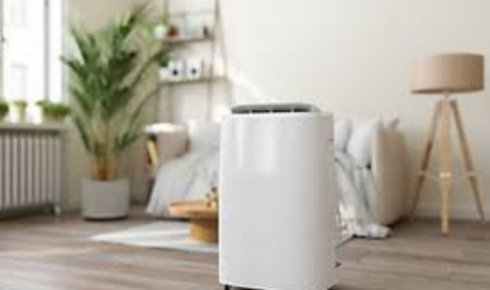
That’s where an air purification system can make a meaningful difference. These systems are designed to filter out particles you can’t see—dust, pollen, even certain pollutants—helping create a more balanced indoor environment.
And the interesting part? You don’t always notice the change immediately. It’s not like flipping a switch. But over time, the air feels lighter. Easier to breathe.
Almost like your home is exhaling.
The Comfort You Didn’t Know You Were Missing
There’s something deeply comforting about good air. It’s not flashy or dramatic, but it affects everything—your sleep, your focus, even your mood.
When the air improves, you might notice fewer allergy symptoms. Less dust settling on surfaces. A general sense that your space feels… cleaner, even if nothing else has changed.
That’s the quiet impact of clean air. It doesn’t demand attention. It simply supports your daily life in the background, making everything feel a little more natural.
Why We Often Overlook It
Part of the reason indoor air quality gets ignored is that it doesn’t have obvious, immediate consequences. It’s not like a broken appliance or a leaking pipe. It’s gradual, almost invisible.
So we adapt. We get used to it. Maybe we dust more often or rely on air fresheners to mask odors. But those are temporary fixes, not real solutions.
Once you start paying attention, though, it becomes clear that air deserves the same consideration as water or food. It’s something you interact with constantly, even if you don’t realize it.
Finding What Works for Your Space
Improving indoor air doesn’t have to be complicated. Sometimes it starts with simple steps—keeping windows open when possible, reducing clutter that collects dust, or choosing cleaning products more carefully.
For others, it might mean investing in a system that continuously filters the air, especially in homes with pets, allergies, or limited ventilation.
There’s no perfect setup. Just options that align with your lifestyle and environment.
A Subtle Shift That Changes Everything
Looking back, it’s easy to underestimate how much air quality shapes your home experience. It’s not something you think about—until you feel the difference.
And when you do, it’s not dramatic. It’s quieter than that. A better night’s sleep. A clearer head in the morning. A space that feels more comfortable without you needing to adjust anything.
That’s the thing about air. When it’s right, it disappears into the background, doing its job without asking for attention.
And maybe that’s the goal—not to notice it, but to feel the difference it makes.