There’s something deeply reassuring about turning on the tap and filling a glass of water. It’s routine, almost unconscious. But every now and then, you come across a piece of information that makes you pause mid-sip. For many households around the world, that moment arrives when they first hear about arsenic in drinking water. It’s unsettling, sure—but also worth understanding properly, without panic.
What Exactly Is Arsenic Doing in Our Water?
Arsenic isn’t some modern industrial accident—it’s actually a naturally occurring element. It exists in rocks, soil, and groundwater. In certain regions, especially where groundwater is the primary source of drinking water, arsenic can seep into wells and aquifers over time. It doesn’t change the color or taste of water, which makes it particularly tricky. You wouldn’t know it’s there unless you tested for it.
The phrase arsenic in water might sound alarming—and it should raise concern—but it doesn’t always mean immediate danger. The real issue lies in long-term exposure. Over years, even small amounts can accumulate in the body, leading to serious health problems like skin conditions, cardiovascular issues, and even certain cancers. It’s not about fear—it’s about awareness.
The Subtle Nature of Water Contamination
Water has this way of appearing pure, even when it’s not. That’s part of the problem. Unlike visible pollutants, arsenic blends in quietly. And it’s not alone. Many households unknowingly deal with various forms of water contamination, from heavy metals to agricultural runoff.
In rural areas, private wells are often the main water source, and these are rarely regulated the same way municipal supplies are. That means the responsibility of testing and treatment falls entirely on the homeowner. And honestly, most people don’t think about it until there’s a reason to.
Even in urban settings, aging infrastructure or environmental factors can sometimes introduce contaminants. It’s not common everywhere, but it’s common enough to matter.
Testing: The First Real Step
If there’s one thing that makes a real difference, it’s testing. Not guessing, not assuming—testing. Water testing kits are widely available now, and professional lab testing is even more reliable. It’s a small step that gives you clarity.
What’s interesting is how often people delay this. Maybe it feels unnecessary, or maybe it’s just one of those “I’ll get to it later” tasks. But when it comes to something as essential as drinking water, it’s worth moving that task up the list.
Making Sense of Filtration Options
Once arsenic is detected, the next question is obvious: what now?
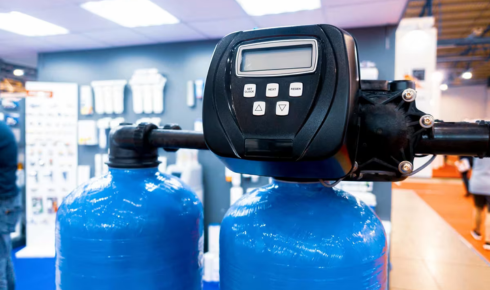
This is where arsenic water filtration systems come into play. Not all filters are created equal, and that’s something people often overlook. A standard carbon filter—the kind you might find in a basic water purifier—won’t effectively remove arsenic. You need more advanced solutions like reverse osmosis systems, ion exchange units, or specialized adsorption filters designed specifically for this purpose.
Choosing the right system depends on the level of contamination, household needs, and budget. It’s not always a one-size-fits-all situation. Some families go for whole-house systems, while others focus on point-of-use filters for drinking and cooking water.
And yes, it can feel a bit overwhelming at first. But once you break it down, it’s manageable. A bit like choosing the right appliance—you research, compare, and then commit.
Living With Awareness, Not Anxiety
Here’s the thing—learning about contaminants like arsenic can make you uneasy, but it doesn’t have to turn into constant worry. The goal isn’t to second-guess every glass of water. It’s to understand the risks and take practical steps to reduce them.
In many ways, this is just part of modern living. We lock our doors, we check our food labels, we service our vehicles. Taking care of water quality fits into that same mindset. It’s about being informed and making choices that support long-term well-being.
Small Changes, Real Impact
Sometimes, the most meaningful changes are the quiet ones. Installing a proper filtration system, scheduling periodic water tests, or even just learning more about your local water source—these aren’t dramatic actions, but they matter.
And once you’ve taken those steps, there’s a certain peace of mind that follows. You go back to your daily routine, filling that glass of water, but with a bit more confidence this time.
A Thought to Carry Forward
Clean water isn’t something we should have to think about constantly—but maybe we should think about it just enough. Not out of fear, but out of respect for how essential it is.
Because at the end of the day, it’s not just water. It’s something we rely on, every single day, without even noticing. And taking a moment to ensure it’s safe? That’s time well spent.