A good drinking water system should make life easier, not give you another complicated household chore. Nobody wants to spend half an afternoon changing filters beneath the kitchen sink or wondering whether their filtration equipment is still working properly. Fortunately, modern water treatment designs offer practical ways to improve drinking water quality while simplifying routine maintenance.
For homeowners in Aledo, Texas, reverse osmosis water filter systems can provide a convenient approach to reducing unwanted dissolved substances and improving the taste of everyday drinking water.
Whether you’re tired of purchasing bottled water or simply want a filtration system that’s easier to maintain, understanding the available technology can help you make a worthwhile investment.
What Makes Reverse Osmosis Different From Ordinary Filters?
A standard water filter can be useful, but its effectiveness depends on what it’s designed to remove. Mechanical filters capture suspended particles, while activated carbon helps reduce chlorine and certain substances associated with unpleasant tastes and odors.
Reverse osmosis takes water treatment a step further.
It uses water pressure to move water through a semipermeable membrane, reducing many dissolved substances that conventional mechanical filters cannot effectively capture.
Additional treatment stages often support the membrane and improve the finished water’s taste.
Depending on independently verified equipment capabilities, reverse osmosis may reduce specific contaminants such as lead, nitrate, fluoride, and dissolved salts.
The important thing is choosing equipment that addresses your actual water quality concerns rather than assuming every filtration system delivers identical results.
Treating Water Where It Matters Most
Think about how your household uses water throughout the day. You’ll need plenty for laundry, cleaning, and bathing, but only a portion is used for preparing meals and beverages.
That’s precisely why point-of-use drinking water treatment makes practical sense for many households. It focuses on treating water at a designated location, usually the kitchen sink, rather than applying reverse osmosis to the entire household supply.
Having filtered water readily available makes preparing breakfast, brewing coffee, and filling reusable bottles considerably more convenient.
This arrangement can also complement existing whole-house treatment equipment.
For example, a homeowner might already have a water softener addressing hardness while using a dedicated filtration system to improve drinking water quality.
Making Filter Replacement Less of a Chore
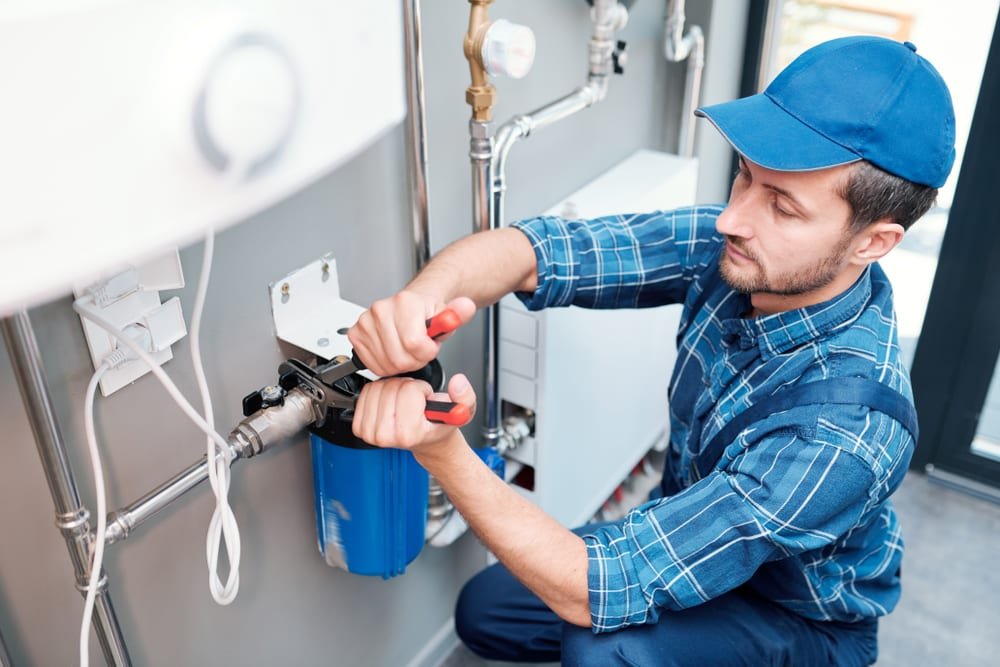
Let’s face it, changing water filters isn’t something most people look forward to. Traditional filter housings can sometimes be awkward to open, particularly when they’re installed inside crowded kitchen cabinets.
Certain modern systems incorporate proprietary twist-off filter cartridges, designed to simplify the replacement process by allowing compatible cartridges to be removed and installed with a twisting motion.
Depending on the equipment design, this arrangement may reduce the need for specialized tools and make routine servicing more convenient.
However, proprietary components generally require compatible replacements. Before purchasing a system, check cartridge availability, replacement costs, and recommended maintenance intervals.
Convenient equipment design is certainly appealing, but long-term affordability deserves equal consideration.
Bringing Better-Tasting Water Into Your Everyday Cooking
Water rarely receives much attention as a cooking ingredient, even though it’s used in countless recipes.
Think about a pot of homemade soup, freshly brewed coffee, or a pitcher of iced tea on a warm Texas afternoon. Water with an unpleasant aftertaste can influence the finished result.
Suitable filtration may help create a more neutral flavor, allowing other ingredients to stand out.
Some homeowners also appreciate having filtered water available for making ice or preparing beverages for guests.
Taste preferences vary, naturally. Certain people enjoy the neutral flavor associated with reverse osmosis, while others prefer water containing more minerals.
Finding a treatment arrangement that suits your preferences can make everyday cooking and drinking more enjoyable.
Choosing Equipment That Fits Your Kitchen
Not every kitchen has generous storage space beneath the sink. Plumbing connections, cleaning products, and other household supplies often compete for the same limited area.
Before selecting reverse osmosis equipment, measure the available installation space and consider accessibility for future servicing.
Traditional systems commonly include a storage tank, while tankless designs generally produce filtered water on demand.
Incoming water pressure, production capacity, drainage connections, and potential electrical requirements should also influence your decision.
Nobody wants to discover that replacing a simple filter requires emptying an entire kitchen cabinet.
A thoughtfully planned installation should complement your kitchen layout while making maintenance straightforward.
Understanding the Long-Term Cost of Better Drinking Water
The initial purchase price tells only part of the story when investing in filtration equipment.
Replacement cartridges, membrane servicing, and water consumption all contribute to ongoing operating expenses.
Reverse osmosis produces a concentrate stream that carries rejected substances to the drain. Comparing documented water efficiency between systems can help you better understand these costs.
When consulting a water treatment provider such as Elders Water, ask about replacement component availability, servicing arrangements, and independently verified contaminant reduction capabilities.
Follow manufacturer-recommended maintenance schedules and arrange appropriate follow-up testing when addressing health-related contaminants.
Clear appearance and pleasant taste alone don’t establish drinking water safety.
A little attention to these details can help protect your investment over the years.
Making Better Drinking Water a Simple Everyday Habit
For homeowners in Aledo, improving drinking water quality doesn’t need to involve a major kitchen renovation or an overly complicated maintenance routine.
Reliable water quality information, thoughtfully selected equipment, and convenient cartridge replacement can make household filtration easier to manage.
The benefits often appear during ordinary moments — enjoying your morning coffee, preparing dinner, or filling a reusable bottle before heading outdoors.
A well-chosen filtration system should quietly support these experiences without demanding constant attention.
Sometimes, the best improvement you can make to your kitchen isn’t something visitors immediately notice. It’s something your family appreciates every time someone reaches for a glass of water.