Water is easy to overlook when everything seems normal. You turn on the faucet, fill a glass, run the dishwasher, and get on with your day. But when white spots begin appearing on fixtures, soap refuses to lather properly, or the shower leaves your skin feeling unusually dry, water quality suddenly becomes a much bigger conversation.
For homeowners in Spring Hill, hard water is often one of those everyday annoyances that slowly becomes impossible to ignore. The good news is that you don’t have to simply live with mineral buildup and the extra cleaning that comes with it. Understanding the problem first can make finding the right solution much easier.
Why Hard Water Can Be So Frustrating
Hard water contains minerals, mainly calcium and magnesium, that can accumulate over time. You may not notice them when you first fill a glass, but they can leave behind a stubborn trail.
Shower doors develop cloudy marks. Faucets collect crusty deposits. Dishes come out of the dishwasher looking less than sparkling. Even the kettle or coffee maker may develop mineral scale.
None of this necessarily means the water is unsafe. It’s more about how those minerals interact with your plumbing, appliances, cleaning products, and everyday routines. And honestly, nobody wants to spend their weekend scrubbing mineral spots off a bathroom faucet.
Start With a Water Test
Before choosing a treatment system, it’s worth finding out what you’re actually dealing with. Water can have different characteristics from one home to another, even within the same general community.
A professional water test can provide information about hardness and other factors that may affect water quality. Once you know the results, you can make a more informed decision instead of buying a system simply because it has good reviews online.
That’s one reason homeowners considering water softening services in Spring Hill should look for a provider willing to explain the water test and treatment recommendations in straightforward language.
How Water Softeners Work
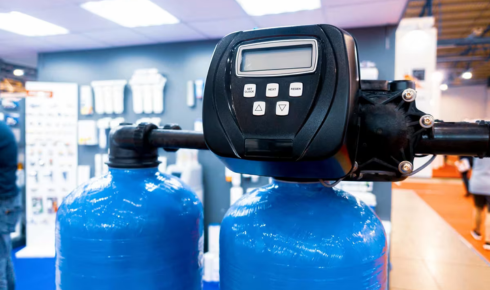
A traditional water softener is designed to reduce hardness minerals in household water. It typically uses a resin bed that exchanges hardness minerals for sodium or, in some systems, potassium ions.
When the resin becomes loaded with minerals, the system goes through a regeneration process to restore its ability to soften water.
The technology itself isn’t particularly mysterious, though the equipment can look intimidating at first. What matters most is choosing a properly sized system and maintaining it according to the manufacturer’s recommendations.
Signs Your Home May Benefit From Softening
Your home may already be giving you clues.
If you regularly see white scale around faucets or shower fixtures, that’s worth investigating. The same goes for spots on glasses, stiff-feeling laundry, or soap that seems to disappear without creating much lather.
Some homeowners also notice changes in how their skin and hair feel after bathing. These experiences can have several causes, so they aren’t proof of hard water by themselves. Still, when several signs appear together, testing the water can help connect the dots.
Choosing the Right System for Your Household
Not every home needs the same size or type of softener. Household water consumption, the number of people living in the property, hardness levels, and available installation space can all matter.
When comparing Spring Hill water softeners, don’t focus only on the equipment’s advertised capacity or price. Ask about installation, regeneration, salt usage, maintenance, warranty coverage, and ongoing service.
A cheaper system isn’t necessarily cheaper over its entire lifespan. Sometimes a slightly better-designed system can provide more reliable performance and fewer headaches down the road.
What About Salt Usage?
Salt is an important part of many conventional water softeners because it helps regenerate the resin. How much salt a system uses depends on the water hardness, household consumption, system design, and regeneration settings.
Modern systems can be designed to use water and salt more efficiently than older models. That’s another reason proper sizing matters.
If you’re concerned about salt consumption, ask the installer how the system determines when regeneration is necessary. Understanding that process can help you avoid unnecessary waste and keep operating costs more predictable.
Installation Matters More Than People Think
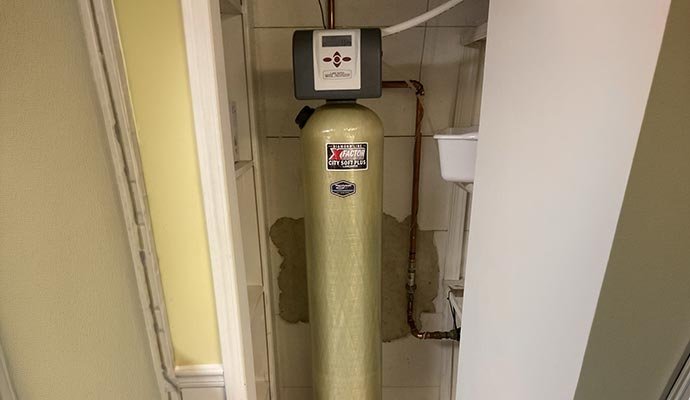
Even excellent equipment can perform poorly when it’s installed incorrectly. Plumbing connections, drainage, bypass valves, water pressure, and system placement all need to be considered.
Professional installation also gives you an opportunity to learn how the equipment works. You’ll want to know how to check salt levels, recognize maintenance needs, and understand what to do if the system isn’t operating normally.
A few minutes of explanation during installation can save plenty of confusion later.
Maintaining Your Water Softener
Once installed, a softener still needs basic attention. Depending on the system, homeowners may need to replenish salt, monitor settings, clean certain components, and schedule periodic service.
It’s easy to forget about equipment when it’s doing its job quietly. That’s actually a good sign. But a quick check every now and then is still worthwhile.
If you notice changes in water quality, unusual noises, excessive salt use, or a return of mineral deposits, don’t ignore them. Early troubleshooting is usually easier than waiting until the problem becomes bigger.
Is Softening the Right Solution?
For homeowners trying to soften your water in Spring Hill, the first step shouldn’t be choosing a brand. It should be identifying the actual water issue.
A water softener can be very useful when hardness is the primary concern, but it isn’t designed to solve every possible water-quality problem. If you’re dealing with sediment, unusual taste, odor, or other concerns, filtration or another treatment approach may be more appropriate.
Sometimes a home needs one solution. Sometimes it needs a combination. The water test helps determine which direction makes sense.
A Better Approach to Everyday Water
Good water treatment doesn’t have to be complicated. Start by paying attention to the signs your home is giving you, test the water, understand the results, and then compare treatment options based on your actual needs.
For many Spring Hill homeowners, reducing hardness can mean less scale, easier cleaning, and a more comfortable daily experience. Those improvements may seem small individually, but together they can make the home feel noticeably easier to maintain.
And that’s really the point. The best water treatment system isn’t necessarily the biggest or most expensive one. It’s the one that quietly solves the problem you actually have and keeps doing its job for years to come.