Water is one of those things we barely think about until something goes wrong. The shower starts leaving white marks, the tap develops a strange smell, or the water suddenly looks a little cloudy. At that point, it’s easy to blame the plumbing, the pipes, or even the glass you just washed.
But sometimes, the real story is in the water itself.
Water quality can change for many reasons, from naturally occurring minerals to environmental pollution and problems within a private well or plumbing system. Understanding what’s actually in your water can help you choose the right treatment instead of spending money on a solution that doesn’t address the problem.
Why Water Quality Can Change
Not all water has the same characteristics. Even two homes in the same neighborhood can have noticeably different water quality depending on their source, plumbing, and treatment systems.
Municipal water generally goes through treatment before reaching households, while private wells depend heavily on local groundwater conditions and proper maintenance. Water can also pick up substances as it travels through pipes, storage tanks, or household plumbing.
That doesn’t mean every unusual taste or stain signals a serious health concern. Some issues are mostly cosmetic, while others deserve professional testing. The tricky part is knowing which is which.
For homeowners, paying attention to changes is a good starting point. A new odor, unusual taste, staining, or sudden change in water appearance shouldn’t necessarily cause panic, but it shouldn’t be ignored either.
The Everyday Trouble Caused by Hard Water
One of the most common water-quality complaints is hard water. It contains elevated levels of naturally occurring minerals, particularly calcium and magnesium. These minerals aren’t usually considered a health threat at typical levels, but they can be a real nuisance around the house.
You may notice hard water through:
- White or chalky deposits on faucets and showerheads
- Spots on glassware and dishes
- Soap that doesn’t lather easily
- Dry-feeling skin or hair
- Scale buildup inside water heaters and plumbing
- Reduced efficiency of some water-using appliances
Think about the crusty ring that slowly appears around a faucet. It didn’t get there overnight. Minerals dissolved in the water gradually collect on surfaces, especially where water evaporates.
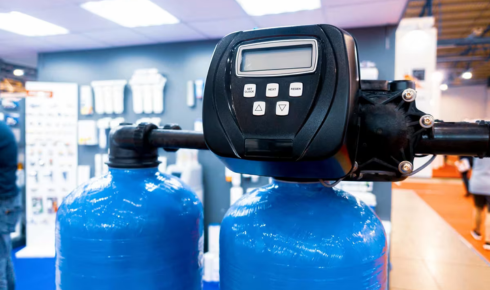
A water softener can help reduce hardness by exchanging calcium and magnesium ions for sodium or potassium ions. However, not every home needs a softener, and the right setup depends on the actual water chemistry. Testing first is usually smarter than guessing.
Where Bacteria Can Enter the Water Supply
Another concern is bacteria, which can enter water through several pathways. This is particularly important for private wells, where homeowners are responsible for maintaining the well and ensuring the water remains safe.
Groundwater can become affected by poorly maintained wells, flooding, nearby septic systems, agricultural activity, or other environmental conditions. Plumbing problems can also create opportunities for microbial contamination.
Some bacterial contamination can cause gastrointestinal illness, although the exact risk depends on the organisms involved and the amount present. That’s why water testing matters when bacterial contamination is suspected.
If a well has flooded, developed a sudden odor or taste, or produced an unexpected test result, don’t simply install a random filter and hope for the best. A qualified water professional can help determine what happened and what treatment is appropriate.
For private wells, periodic testing is particularly important because water can change over time even when it looks perfectly normal.
Understanding Contaminants Without Getting Overwhelmed
The word contaminants sounds alarming, and understandably so. But it covers a very broad range of substances. Some are naturally occurring minerals, while others may come from industrial activity, agriculture, aging infrastructure, or household plumbing.
Depending on the water source, testing may look for substances such as:
- Lead and other heavy metals
- Nitrates and nitrites
- Chlorine and disinfection byproducts
- Sediment
- Certain chemicals and pesticides
- PFAS compounds
- Microorganisms
- Naturally occurring minerals
The important point is that no single filter removes everything. A carbon filter may be useful for chlorine and certain organic compounds, while a reverse osmosis system can address a different range of dissolved substances. UV treatment, meanwhile, is commonly used to disinfect water by inactivating microorganisms.
In other words, water treatment isn’t a one-size-fits-all purchase.
Why Testing Should Come Before Treatment
Buying a filtration system based on a neighbor’s recommendation might sound convenient. It can also be a waste of money.
Water testing gives you a clearer picture of what you’re dealing with. Depending on the situation, testing may include hardness, pH, iron, manganese, bacteria, nitrates, dissolved solids, or other parameters.
For homeowners using private wells, laboratory testing can be especially valuable. Basic tests can identify common problems, while more comprehensive testing may be appropriate when there’s a known environmental concern or unexplained change in water quality.
A professional water analysis can also help determine whether you need a point-of-use system, whole-house filtration, softening, disinfection, or simply better plumbing maintenance.
The goal isn’t to make your water as heavily treated as possible. It’s to treat the problem that actually exists.
Choosing the Right Water Treatment Approach
Once testing identifies the issue, the next step is choosing a treatment method that fits the home.
For example, sediment filtration can help remove suspended particles, while activated carbon is commonly used to improve taste and reduce certain chemicals. Water softeners are designed primarily for hardness. Reverse osmosis is often used at the point of use for reducing a range of dissolved substances.
UV disinfection can be useful where microbial contamination is a concern, particularly in certain private-well applications. In some homes, more than one treatment stage may be needed.
Maintenance matters just as much as installation. Filters need replacing, softeners may require salt or other maintenance, and disinfection equipment needs periodic checks. A system that was excellent when installed can become less effective when neglected.
It’s a little like changing the oil in a car. The equipment may be working, but that doesn’t mean it can be forgotten forever.
Small Warning Signs Worth Paying Attention To
Water problems don’t always announce themselves dramatically. Sometimes they’re subtle.
Maybe the water heater seems to accumulate scale faster than it used to. Maybe a previously clear glass now has a persistent film. Perhaps the water has developed an earthy smell after heavy rain.
These clues don’t automatically tell you what’s wrong, but they’re worth noticing.
Keep an eye out for:
- Sudden changes in taste or odor
- Cloudy or discolored water
- Repeated mineral deposits
- Unusual staining around sinks and toilets
- Changes following flooding or plumbing work
- Recurring bacterial test results
- A noticeable drop in water quality from a private well
If the change is sudden or persistent, testing is a much better response than guessing.
Better Water Starts With Knowing What You Have
Clean, pleasant water isn’t just about installing the most expensive filtration system available. It starts with understanding the source, identifying the problem, and choosing technology that actually addresses it.
For some households, the answer may be simple: regular maintenance or a basic filter. Others may benefit from softening, advanced filtration, reverse osmosis, or disinfection. Private-well owners may need a more customized approach because groundwater conditions can vary significantly from one property to another.
The good news is that homeowners don’t have to figure it all out blindly.
When water starts behaving differently, pay attention. Test it. Ask questions. Then choose treatment based on evidence rather than marketing promises.
After all, water may be something we take for granted, but what flows from the tap has a story. Understanding that story is the first step toward making better decisions for your home, your appliances, and the people who rely on that water every day.