There’s something oddly satisfying about turning on the tap and feeling soft, smooth water glide through your fingers. It’s not just about comfort — soft water protects your appliances, plumbing, and even your skin. But when it comes to maintaining that silky flow, homeowners often face a tricky question: should you use water softener salt or potassium?
It sounds like a minor choice, but it’s actually a little more layered than most people think. The decision isn’t just about what works — it’s about what’s right for your home, your health, and even the environment.
The Basics: Why Soft Water Matters
Hard water is filled with minerals like calcium and magnesium, and while they’re not harmful, they can be a real nuisance. They leave those chalky stains on faucets, clog up pipes, and make your laundry feel stiff and scratchy. A water softener helps fix all that by replacing those minerals with something gentler — typically sodium or potassium ions.
In simple terms, the softener’s resin tank traps the calcium and magnesium and swaps them with salt or potassium. That’s what keeps your dishes shiny and your shower doors clear. But how do you decide which one is better for your setup — salt or potassium?
Salt: The Traditional (and Affordable) Choice
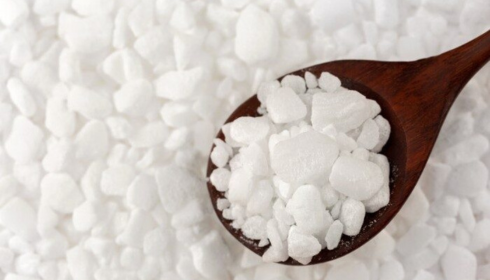
Let’s start with the classic. Most water softeners run on sodium chloride — regular salt. It’s affordable, widely available, and does its job beautifully. If you have moderately hard water, salt is usually the most efficient way to keep things running smoothly.
Salt-based softeners regenerate the system by flushing out hardness minerals, restoring the resin’s ability to keep softening water. It’s a time-tested method that millions of households rely on. However, there’s a catch: people on low-sodium diets or living in areas with strict salt discharge regulations may want to think twice.
Salt residue from the regeneration process can raise sodium levels in wastewater. It’s not a huge deal for most households, but for those living in water-sensitive zones, it’s worth considering.
Potassium: The Cleaner, Greener Contender
Enter potassium chloride — the more natural, eco-friendly alternative. While it works similarly to salt, it’s better suited for people who want to reduce sodium in their water and their household waste. Many prefer water softener potassium because it’s safer for plants and soil, especially if you use softened water for irrigation.
Potassium also prevents sodium build-up in septic systems and is better for the environment overall. But (and there’s always a “but”) it comes with a higher price tag. You might spend 3–4 times more for potassium than for salt. For some families, that’s a dealbreaker.
Still, for those focused on sustainability or specific health concerns, the investment can feel worth it. The difference in environmental footprint alone is enough to make some households switch permanently.
Comparing Efficiency and Maintenance
Let’s be honest — both salt and potassium will soften your water effectively. But there are subtle performance differences. Salt tends to regenerate resin beads more efficiently, meaning the system can run longer between cycles. Potassium, on the other hand, sometimes leaves a bit of residue or buildup in the tank, especially if your water is very hard.
Some users report having to tweak their softener settings to optimize potassium performance. It’s not a big deal, but it’s worth noting if you’re switching from salt. You’ll likely need to add more potassium per cycle to achieve the same level of softness, which slightly offsets its environmental benefits.
Health and Lifestyle Considerations
If you’re watching your sodium intake for medical reasons, potassium chloride can be a thoughtful alternative. Even though softened water doesn’t contain much sodium, every bit counts if you’re on a strict diet. Potassium, on the other hand, adds an essential mineral that the body naturally needs.
However, people with kidney issues should consult their doctor before switching, since excess potassium can be a problem for them. The truth is, both options are safe for most households — the right choice depends on your personal and environmental priorities.
That’s the beauty (and the headache) of potassium vs salt for water softener — there’s no one-size-fits-all answer. It’s like the classic debate between manual and automatic cars: each has its loyal fans, and both get you where you need to go.
Environmental Impact and Local Regulations
In some states and municipalities, salt-based water softeners are restricted due to sodium discharge concerns. Salt brine can increase salinity levels in local water tables, which isn’t ideal for plants or aquatic life. That’s why some eco-conscious households prefer potassium — it’s plant-friendly and less likely to affect groundwater.
But here’s the tradeoff: potassium production itself uses more energy, and its transport costs are higher. So, while it’s better for soil and wastewater, it’s not entirely “carbon-neutral.” The key is to weigh what matters more in your specific situation — affordability, environmental footprint, or long-term sustainability.
The Real-World Verdict
If budget and performance are your top concerns, salt remains the practical choice. It’s effective, easy to find, and keeps maintenance costs low. If you’re health- or eco-focused, potassium might be your winner — even if it costs more.
A good compromise for some households is to alternate between salt and potassium or blend them based on availability and cost. You’ll still get soft water while reducing your overall sodium discharge.
And if you’re unsure, check your local regulations and talk to your water treatment provider. They’ll help you determine which fits your home setup and water hardness best.
Wrapping It Up
Soft water isn’t just a luxury — it’s part of maintaining a healthy, efficient home. Whether you lean toward salt or potassium, both options serve the same goal: protecting your plumbing, your appliances, and your comfort.
At the end of the day, the “right” choice depends on your values and circumstances. If you’re aiming for affordability and reliability, salt wins the race. If you’re focused on sustainability and cleaner runoff, potassium earns the medal.
Either way, the real victory is having water that feels great, treats your home kindly, and gives you one less thing to worry about every time you turn on the tap.