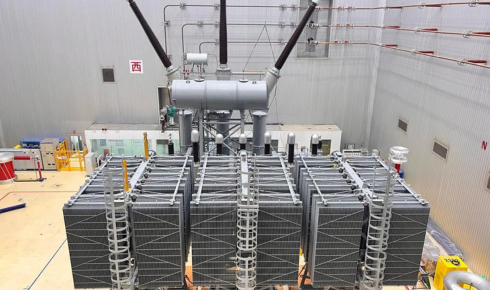
Australia’s power infrastructure is going through one of its most significant overhauls in decades. Between expanding renewable energy zones, retiring coal-fired plants, and upgrading aging grid assets, the demand for reliable, high-performance transformers has never been more intense. For project managers, procurement teams, and engineers working on large-scale developments, selecting the right transformer suppliers is not just a technical decision – it directly shapes timelines, safety outcomes, and long-term operational costs.
The Australian transformer market reached USD 1.59 billion in 2025 and is forecast to nearly double by 2034, driven by grid modernisation, renewable energy integration, and electrification across industrial and commercial sectors. Against this backdrop, getting supplier selection right from the start matters enormously.
Why Is the Australian Market So Challenging for Transformer Procurement Right Now?
Global supply chain pressures have significantly stretched lead times for large power transformers. For units above 100 MVA, lead times can now run anywhere from 18 months to well beyond two years, and in some cases even longer for highly specialised equipment. This is not unique to Australia — it reflects a worldwide surge in demand fuelled by renewable energy buildouts, data centre expansion, and EV infrastructure rollouts. Australia imports a substantial share of its transformer requirements, which makes supplier relationships and early procurement planning all the more critical.
This is precisely why more Australian project developers and utilities are looking beyond traditional local suppliers and considering established international manufacturers — particularly those based in India — that can offer both manufacturing scale and technical depth within competitive lead times.
What Makes a Transformer Supplier Suitable for Large-Scale Australian Projects?
There are several factors that genuinely separate capable suppliers from the rest when it comes to large infrastructure work.
Manufacturing capacity and voltage range sit at the top of the list. A supplier needs the ability to produce equipment suited to the specific demands of transmission, industrial, and renewable energy projects — not just off-the-shelf distribution units. For high-voltage transmission work or complex industrial applications, this means working with suppliers who have demonstrated experience across a wide voltage and MVA range, backed by rigorous in-house testing.
Technical compliance is equally non-negotiable. Australia’s energy sector requires transformers that meet IEC and relevant AS/NZS standards. Any credible international supplier needs a clear track record of testing to these standards, including type testing, routine testing, and where applicable, dynamic short-circuit testing — one of the most stringent performance validations in the industry.
After-sales support and commissioning capability round out the picture. A transformer delivered on time but without adequate technical support during installation and operation can become a costly liability. Large projects need suppliers who back their equipment with responsive engineering teams and structured service programmes.
How Does TARIL Stand Out Among International Transformer Suppliers?
Transformers and Rectifiers (India) Ltd – known as TARIL has built a reputation over more than four decades as one of India’s most capable transformer manufacturers. Founded in 1981 in Ahmedabad, the company has grown steadily from repairing and manufacturing 33 kV to 66 kV class transformers into a globally recognised supplier with over 18,000 installations across the world.
TARIL’s manufacturing capability covers power transformers up to 1,000 MVA and 1,200 kV class, distribution transformers from 315 kVA upward, furnace transformers up to 120 kA, rectifier transformers up to 160 kA DC, and shunt reactors up to 765 kV. Their facilities in Moraiya and Changodar together span tens of thousands of square metres, with in-house testing infrastructure capable of handling transformers up to the 1,200 kV class — a specification that positions them among a very select group of manufacturers globally.
In fiscal year 2024–25, TARIL manufactured 29,118 MVA of transformer equipment, representing 80% year-on-year growth, while also increasing its manufacturing capacity significantly through strategic investment. For Australian project developers dealing with tight timelines and the need for volume, that kind of production depth is directly relevant.
What Types of Special Transformers Does TARIL Manufacture for Complex Projects?
One area where TARIL particularly differentiates itself is in special transformers – equipment that goes beyond standard distribution or transmission units and is engineered for specific industrial or grid applications.
Their converter duty transformers are designed for motor drive applications and can be configured with secondary windings ranging from two to forty, depending on the pulse requirements of the drive system. These units include built-in harmonic mitigation and snubber circuits, making them well suited for large variable speed drive installations common in mining, water treatment, and heavy manufacturing — all sectors with major capital projects underway across Australia.
Furnace transformers represent another area of depth, offering high secondary current output, wide regulation range, and integrated arc-stabilising reactors. TARIL’s rectifier transformers are similarly engineered for demanding DC applications, including electrolysis and metal smelting, with configurable LV terminals and efficient oil-to-water heat exchangers. Earthing transformers in zigzag or interconnected star winding configurations up to 33 kV, as well as testing transformers with multiple tapping configurations, further extend the portfolio for project-specific requirements.
For Australian projects involving renewable energy connections, TARIL also manufactures green transformers using natural ester fluid, with units up to 400 kV already produced and supplied. This aligns with the growing preference among Australian utilities for lower environmental impact equipment with improved fire safety characteristics.
How Should Project Teams Approach Supplier Evaluation for Large-Scale Procurement?
Procurement decisions for large power transformers should never be driven by unit price alone — particularly in the current market environment where supply constraints are real and delivery reliability is arguably the most important variable.
A structured evaluation approach works best. Technical specification compliance should be assessed first — does the supplier have certified experience in manufacturing and testing the specific equipment type required? This includes reviewing type test certificates, dynamic short-circuit test records, and relevant international standard approvals.
Delivery confidence deserves close scrutiny. That means understanding the supplier’s current order book, production scheduling practices, and their history of on-time delivery for similar project sizes. Asking for client references from comparable large-scale projects — particularly in comparable markets to Australia — provides meaningful assurance.
Total cost of ownership, not just the purchase price, should frame the financial evaluation. Transformer efficiency ratings, expected service life, maintenance requirements, and the cost and accessibility of spare parts and technical support all feed into lifecycle economics that dwarf the initial capital outlay on any major project.
Finally, it is worth engaging shortlisted suppliers early in the project development phase. International suppliers with genuine manufacturing depth, like TARIL, often have the flexibility to accommodate bespoke specifications — but only if engaged with enough lead time. Last-minute procurement of custom equipment from any quality supplier is a risk no large project should take on.
Frequently Asked Questions
What voltage classes and capacities should Australian project teams look for when sourcing power transformers internationally?
For transmission-level projects, you will generally be looking at transformers in the 66 kV to 500 kV range, with MVA ratings from 100 MVA upward depending on the application. Industrial projects often require medium voltage transformers in the 11 kV to 33 kV class with varied MVA ratings. The key is working with a supplier whose in-house type test and routine test capabilities match the specifications required — not just their catalogue listings. TARIL, for example, manufactures and tests power transformers up to 1,000 MVA and 1,200 kV class within their own facilities.
Are Indian transformer manufacturers like TARIL able to meet Australian and IEC standards?
Yes. Reputable Indian manufacturers operate to IEC standards as their baseline and have done so for export markets for many years. TARIL holds ISO 9001 quality system certification and designs all units using the latest simulation and measurement tools, with products validated through type, routine, and dynamic short-circuit testing. For Australian projects, it is still advisable to confirm specific standard compliance requirements with the supplier at the outset — particularly for any state-specific grid connection standards or AS/NZS requirements applicable to the project.
What lead times should we realistically plan for when procuring large power transformers?
For large power transformers — generally those above 100 MVA — planning for lead times of at least 18 to 24 months from order to delivery is prudent in the current market environment. Some highly specialised units or those requiring specific type tests can take longer. The key is early engagement with your shortlisted supplier. Procurement initiated at the detailed design phase rather than just before construction typically yields better scheduling outcomes and more flexibility for any specification adjustments.
What are special transformers and when does a large-scale project actually need them?
Special transformers is a broad category covering equipment engineered for applications that standard power or distribution transformers cannot efficiently handle. Common examples in large-scale Australian projects include converter duty transformers for variable frequency drives used in mining and processing plants, furnace transformers for electric arc furnace operations in steel and metals, rectifier transformers for electrochemical industrial processes, and earthing transformers for power systems without an available neutral. If your project involves heavy industrial loads, variable speed drives, or specialist grid connection requirements, it is worth discussing the specific load profile with your supplier early to determine whether standard or special transformer types are appropriate.
What should we ask a potential transformer supplier before committing to a procurement decision?
Beyond pricing and delivery, it is worth asking for references from comparable projects, type test certificates for the relevant voltage and rating class, details of any dynamic short-circuit tests completed, current manufacturing capacity and order backlog, their technical support model for commissioning and post-installation issues, and their experience supplying into markets with similar regulatory environments to Australia. A supplier who is genuinely capable and experienced will be comfortable answering all of these questions in detail.