Blog

  • Maximize Storage Efficiency with One Stop Pallet Racking in Newcastle

    Maximize Storage Efficiency with One Stop Pallet Racking in Newcastle

    Efficient warehouse storage is the foundation of a productive supply chain and a competitive business operation. Whether you are managing a small distribution centre, a large-scale logistics operation, or anything in between, the right pallet racking solutions can dramatically improve your space utilisation, operational efficiency, inventory management, and workplace safety in Newcastle.

    This comprehensive guide explores the key considerations for selecting, installing, and maintaining pallet racking solutions, helping you make informed decisions that deliver lasting value and measurable returns. For expert solutions tailored to your specific warehouse needs, visit https://onestoppalletracking.com.au/location/newcastle and explore options designed and engineered specifically for Australian warehouses and distribution centres.

    Why Pallet racking solutions Are Essential for Modern Warehouses

    In an increasingly competitive marketplace where customer expectations continue to rise, warehouse efficiency is a critical differentiator that directly impacts your bottom line. Pallet racking solutions transform underutilised vertical space into productive storage capacity, enabling businesses to store significantly more product in less floor area. This directly reduces per-unit storage costs, improves inventory accessibility, and accelerates order fulfilment times.

    Australian warehouses face unique challenges including high real estate costs in metropolitan areas like Newcastle, strict workplace health and safety regulations under the WHS Act, the need to accommodate diverse product ranges and pallet sizes, and increasingly demanding delivery timeframes driven by e-commerce growth. Professional pallet racking solutions address these challenges with engineered solutions that maximise every cubic metre of available space.

    Key Benefits of Professional Racking Systems

    • Maximised Storage Capacity: Properly designed racking systems can increase storage capacity by 50 per cent or more compared to floor-stacked or ad-hoc storage arrangements, allowing you to defer or avoid costly warehouse expansions.
    • Improved Operational Efficiency: Organised, accessible storage enables faster picking, packing, and dispatch operations, reducing labour costs per order and improving accuracy rates significantly.
    • Enhanced Workplace Safety: Engineered racking systems are designed to safely support specified loads at defined heights, reducing the risk of product damage, pallet collapse, and workplace injuries.
    • Better Inventory Management: Structured storage facilitates systematic inventory control, including FIFO (first in, first out) and LIFO (last in, first out) management strategies, reducing waste and obsolescence.
    • Scalability: Modular racking systems can be expanded, reconfigured, or relocated as your business grows and storage requirements change, protecting your initial investment.

    Types of Pallet Racking Systems

    Selecting the right type of racking system depends on your product characteristics, access requirements, throughput volume, available floor space, and operational priorities. Understanding the options available helps you choose the system that best aligns with your specific operational needs and business goals.

    • Selective Racking: The most common and versatile system, providing direct access to every pallet position. Ideal for warehouses with diverse product ranges, high turnover rates, and the need for maximum flexibility.
    • Double Deep Racking: Stores pallets two deep, increasing storage density by approximately 30 per cent while maintaining reasonable access. Requires a reach truck or double-deep forklift for operation.
    • Drive-In/Drive-Through Racking: High-density storage solution for homogeneous products with lower turnover. Forklifts drive directly into the racking structure to place and retrieve pallets, maximising space but limiting selectivity.
    • Narrow Aisle Racking: Reduces aisle widths from standard 3.5 metres to as little as 1.6 metres, maximising storage density per square metre. Requires specialised narrow-aisle forklifts but delivers significantly more storage capacity.
    • Cantilever Racking: Specifically designed for long, bulky, or irregularly shaped items such as timber, piping, steel sections, and sheet materials that do not fit on standard pallets.

    Selecting the Right System in Newcastle

    Choosing the optimal racking system requires a thorough assessment of your current and projected storage needs. A professional supplier will conduct a detailed site survey, analyse your product profiles and throughput patterns, and design a system that maximises your specific space while optimising operational workflows and material handling efficiency.

    1. Assess your current storage volumes and forecast growth over the next three to five years, accounting for seasonal peaks and business expansion plans.
    2. Document your product range including pallet sizes, weights, stacking limitations, and any special handling requirements such as temperature sensitivity or hazardous goods classification.
    3. Evaluate your material handling equipment and determine whether existing forklifts and reach trucks are compatible with proposed racking configurations and aisle widths.
    4. Consider your order picking processes and how different racking configurations support efficient workflows, batch picking, and wave management strategies.
    5. Review your budget comprehensively, including supply, installation, floor preparation, fire protection upgrades, and any required building or council permits.
    6. Engage a reputable supplier who provides end-to-end services including design, engineering certification, supply, professional installation, and compliance documentation.

    Installation, Compliance, and Safety

    Pallet racking installation in Australia must comply with AS 4084 — the Australian Standard for steel storage racking. This comprehensive standard covers design, manufacturing, installation, and use of racking systems, and compliance is a legal requirement under workplace health and safety legislation in every state and territory.

    Professional installation is essential for safety, compliance, and warranty protection. A certified installer ensures that racking is assembled correctly according to manufacturer specifications, properly anchored to the concrete floor slab, levelled precisely, and fitted with appropriate safety accessories including frame protectors, end-of-aisle guards, row spacers, and clearly visible load signage.

    Regular Safety Inspections

    Once installed, pallet racking requires regular inspection and maintenance to ensure ongoing safety and structural performance. Damage from forklift impacts, overloading beyond rated capacity, and environmental factors such as moisture and temperature can compromise structural integrity over time. Australian Standards recommend a comprehensive inspection by a qualified racking inspector at least annually, with more frequent visual checks conducted by trained warehouse staff.

    • Monthly Visual Inspections: Warehouse staff should conduct documented monthly visual checks for obvious damage, missing components, beam displacement, and any signs of overloading or misuse.
    • Annual Comprehensive Inspections: A qualified inspector should conduct a detailed annual assessment including measurement of frame verticality, beam deflection under load, connection integrity, and anchor bolt condition.
    • Immediate Damage Reporting: Any collision or impact damage should be reported and documented immediately, and affected bays should be unloaded and isolated until assessed and repaired by a qualified person.

    Cost Considerations and Return on Investment

    Investing in quality pallet racking solutions delivers measurable returns through increased storage capacity, improved operational efficiency, reduced product damage, and fewer workplace safety incidents. When evaluating costs, it is essential to consider the total cost of ownership rather than focusing solely on the initial purchase price.

    Quality racking systems from reputable manufacturers and certified installers typically offer service lives of 15 to 25 years with proper maintenance and care. When the investment is spread over this lifespan, the daily cost of professional racking is remarkably low — particularly when compared to the alternative costs of leasing larger premises, tolerating inefficient operations, or dealing with safety incidents and workers compensation claims.

    Conclusion: Invest in Storage That Works as Hard as You Do

    The right pallet racking solutions in Newcastle transform your warehouse from a simple storage space into a strategic business asset that drives efficiency, safety, and profitability. By maximising storage capacity, improving operational workflows, and ensuring workplace safety compliance, professional racking systems deliver value that extends far beyond the warehouse floor and into every aspect of your supply chain.

    Partner with an experienced supplier who understands Australian conditions, regulatory requirements, and the specific challenges of your industry. Your warehouse is the engine of your supply chain — equip it with the systems, design, and expertise it needs to perform at its absolute best, today and for years to come.

  • Getting Funded Without the Guesswork: A Smarter Way to Approach Business Financing

    Getting Funded Without the Guesswork: A Smarter Way to Approach Business Financing

    There’s a moment most business owners reach — sometimes quietly, sometimes urgently — when they realize growth requires more than hustle. It requires capital.

    Maybe you’re eyeing a second location. Maybe equipment needs replacing before it slows production. Maybe you simply need breathing room while invoices crawl in at their usual 60-day pace. Whatever the trigger, the next step often feels overwhelming.

    Where do you start? Which lender makes sense? What paperwork will they want? And perhaps most importantly — will you even qualify?

    The truth is, financing doesn’t have to feel like stepping into fog. With the right preparation and perspective, it can become a structured, manageable process instead of a stressful scramble.


    Start With Clarity, Not Applications

    One of the biggest mistakes business owners make is jumping straight into loan applications without first defining the need.

    Are you funding short-term operational gaps? Expanding physical space? Investing in new hires? Covering seasonal dips? Each objective requires a different structure.

    That’s why financing clarity matters before you ever speak to a lender.

    Clarity means understanding how much capital you truly need — not a rough guess, but a thoughtful estimate supported by projections. It means calculating repayment ability under both optimistic and conservative revenue scenarios. It means knowing whether this funding supports immediate cash flow or long-term growth.

    When you walk into a conversation with this level of preparation, everything shifts. Instead of asking, “Can I get approved?” you begin asking, “What’s the smartest way to structure this?”

    That difference changes outcomes.


    Not All Lenders Are Built the Same

    Here’s something many owners don’t realize: lenders specialize.

    Some banks prefer established companies with multi-year profitability. Others focus on asset-backed loans. Certain institutions lean toward real estate deals, while others are more comfortable with working capital lines or equipment financing.

    Applying blindly wastes time.

    Strategic lender matching increases your chances of approval and improves terms. When your industry, revenue model, and growth plan align with a lender’s comfort zone, the conversation flows more smoothly.

    Instead of defending your business model, you’re discussing opportunity.

    It’s a subtle shift — but an important one.

    And yes, it can mean the difference between weeks of rejection and a confident yes.


    Preparing Before You Need It

    Urgency rarely produces favorable terms.

    When funding becomes critical — payroll looming, vendor payments stacking up — leverage disappears. Lenders sense pressure. Negotiating power shrinks.

    That’s why focusing on business readiness well before funding is urgent pays off.

    Business readiness means clean financial statements. Organized tax returns. Clear documentation of revenue sources. A healthy credit profile. Even a well-written business plan outlining growth strategy.

    You don’t need perfection. But you need structure.

    And structure builds confidence on both sides of the table.

    When lenders see preparedness, they see responsibility. That perception influences rates, repayment terms, and flexibility.


    Understanding Risk Without Fear

    Let’s be honest. Borrowing money feels heavy.

    Debt carries weight. It adds obligation. It introduces risk. And for many entrepreneurs, especially those who bootstrapped from day one, it can feel uncomfortable.

    But risk isn’t inherently negative. It’s unmanaged risk that causes problems.

    Responsible financing — aligned with strategy and supported by realistic projections — can accelerate growth. It can smooth operations. It can open doors that cash flow alone couldn’t unlock.

    The key is balance.

    Don’t borrow more than revenue can support comfortably. Stress-test your projections. Ask, “What happens if sales dip 15% next quarter?” Planning for downside scenarios protects stability.

    Confidence built on preparation feels different from blind optimism.


    Exploring Options Thoughtfully

    The financing landscape today is broader than ever.

    Traditional bank loans, government-backed programs, equipment financing, revolving lines of credit, invoice factoring — each serves a different purpose.

    Choosing between them requires understanding both cost and structure.

    A lower interest rate with rigid terms may not be better than slightly higher rates with flexible repayment. Speed of funding may matter more than marginal rate differences in some scenarios.

    The smartest approach weighs trade-offs carefully rather than chasing the most attractive headline number.

    Financing is rarely about finding the “perfect” loan. It’s about finding the right fit for your current stage.


    The Emotional Side of Growth

    There’s something vulnerable about seeking funding.

    It requires transparency. You’re opening your books. Explaining your strategy. Sometimes even defending your past decisions.

    That can feel uncomfortable.

    But it’s also a sign of growth.

    Businesses that remain small forever rarely face these conversations. Expansion requires engagement with partners — lenders, advisors, sometimes investors — who will examine the foundation carefully.

    Instead of viewing scrutiny as judgment, view it as refinement. Strong businesses withstand scrutiny well.

    And every question answered clearly builds credibility.


    A Steadier Way Forward

    Financing doesn’t have to feel chaotic.

    Start with clarity about your purpose. Prepare documentation thoroughly. Match with lenders strategically. Understand repayment obligations fully. Plan for both best-case and conservative scenarios.

    Approach funding as a tool — not a rescue plan.

    When done thoughtfully, borrowing supports stability rather than threatens it. It becomes part of a broader growth strategy rather than a reaction to pressure.

    And perhaps most importantly, it allows you to move forward with intention instead of uncertainty.

    Because in business, growth isn’t just about ambition.

    It’s about having the structure — and the confidence — to support it.

  • When Your Well System Starts Acting Up: What Every Homeowner Should Know

    When Your Well System Starts Acting Up: What Every Homeowner Should Know

    You don’t hear your well pump most days. It hums quietly beneath the surface — literally — doing its job without applause. Water flows when you turn the tap. The shower pressure feels steady. The washing machine fills without hesitation. Life goes on.

    Until one morning, it doesn’t.

    Maybe the faucet sputters. Maybe the pressure drops halfway through your shower. Maybe you hear a strange clicking sound in the basement that wasn’t there before. It’s subtle at first, easy to dismiss. But water systems rarely fix themselves.

    If your home relies on a private well, understanding how your pump works — and what can go wrong — can save you stress, time, and a surprising amount of money.

    The First Signs Something’s Off

    Well systems are remarkably dependable, but they’re not indestructible. A sudden drop in water pressure is often the earliest red flag. So is short cycling — when the pump turns on and off more frequently than usual. You might even notice your electricity bill creeping up without explanation.

    These symptoms don’t automatically mean disaster. But they do signal that something deserves attention.

    This is where pump diagnostics become essential. Rather than guessing or replacing parts blindly, a proper diagnostic process identifies the root cause. Is the pressure switch failing? Is the pressure tank losing its air charge? Is there sediment clogging the intake?

    A trained technician will test voltage, check amperage draw, inspect wiring, evaluate the pressure tank, and measure system performance. It’s methodical work — and it prevents unnecessary replacements.

    Because not every problem means the pump itself is dying.

    Understanding What’s Beneath the Surface

    Most modern wells rely on submersible pumps, which sit deep inside the well casing. Unlike older jet pumps that operate above ground, submersible pumps push water upward rather than pulling it. They’re efficient, quiet, and capable of delivering strong pressure even from significant depths.

    The catch? They’re not easily accessible.

    If a submersible pump needs repair or replacement, it has to be pulled from the well — a process requiring specialized equipment and experience. That’s why early detection matters. The sooner a potential issue is identified, the less likely it is to cause secondary damage.

    Submersible pumps typically last anywhere from 8 to 15 years, depending on usage and water conditions. Heavy sediment, corrosive water, or frequent cycling can shorten that lifespan. But with proper care, they often exceed expectations.

    It’s Not Always the Pump

    Here’s something many homeowners don’t realize: when water pressure drops, the pump isn’t always to blame.

    Pressure tanks play a crucial role in regulating flow. If the tank’s internal bladder fails or loses air pressure, the pump will cycle more often than it should. That extra cycling strains the motor and creates symptoms that mimic pump failure.

    Electrical issues can also interfere with performance. A failing control box, corroded wiring, or voltage fluctuations may disrupt operation without damaging the pump itself.

    This is why comprehensive plumbing support is so valuable. A well system isn’t isolated. It connects to your home’s entire plumbing network. A professional approach considers all components — not just the pump — before recommending action.

    When Replacement Becomes Necessary

    Sometimes, despite best efforts, a pump simply reaches the end of its lifespan. Motors wear out. Impellers degrade. Internal seals fail. When that happens, replacement is often the most cost-effective long-term solution.

    A new pump restores performance and reliability. In many cases, homeowners notice stronger pressure and smoother operation immediately. Modern pumps are often more energy-efficient as well, which can offset some of the installation cost over time.

    Still, replacement isn’t something anyone wants to do casually. It’s a significant investment. That’s why proper diagnostics and evaluation are critical before making that call.

    The Importance of Preventative Maintenance

    Well systems don’t require constant attention, but they do benefit from periodic checkups. Annual inspections can identify early wear, test water quality, and confirm pressure settings are properly calibrated.

    Simple habits make a difference. Pay attention to changes in water flow. Listen for unusual sounds. Monitor your pressure gauge occasionally. These small actions provide clues long before major failure occurs.

    Water testing is also important. High sediment or mineral content can strain pumps and plumbing components. Addressing water quality issues reduces long-term wear on the system.

    Living with Confidence

    There’s something uniquely unsettling about unreliable water. It disrupts daily life instantly. Cooking becomes inconvenient. Showers lose comfort. Laundry piles up. It’s a reminder that even the most basic resources aren’t guaranteed without proper care.

    But the flip side is empowering.

    When you understand your well system — how it works, what it needs, and when to call for help — you regain control. You’re no longer reacting in panic. You’re responding with knowledge.

    That shift matters.

    A Final Thought on Reliability

    Your well pump doesn’t ask for much. It operates in silence, delivering water day after day. But like any mechanical system, it deserves attention before problems escalate.

    Investing in proper diagnostics, seeking experienced support, and maintaining awareness of subtle warning signs keeps your water flowing steadily.

    Because at the end of the day, reliable water isn’t just about convenience. It’s about comfort, security, and the quiet confidence that comes from knowing your home’s essential systems are working exactly as they should.

  • Keeping Backyard Pools Clear: The Quiet Systems That Make Clean Water Possible

    Keeping Backyard Pools Clear: The Quiet Systems That Make Clean Water Possible

    There’s a certain moment every summer when a swimming pool stops being just a backyard feature and turns into the center of daily life. Kids splash around after school, adults unwind in the evenings, and weekend gatherings suddenly feel more relaxed. But here’s the part people rarely talk about — the clear, inviting water that makes all of this possible doesn’t stay that way on its own.

    Behind every sparkling pool is a system quietly doing its job around the clock. It doesn’t ask for attention, doesn’t make noise beyond a soft hum, and most of the time, you hardly notice it. Yet without it, even the most beautiful pool can quickly become cloudy, unbalanced, and unpleasant.

    And that system, more than anything else, determines how enjoyable pool ownership really feels.


    Why Clean Pool Water Isn’t Just About Appearance

    Most pool owners initially think of water clarity as an aesthetic issue. Clear water looks better, feels more inviting, and simply gives off a sense of cleanliness. But the importance runs much deeper than visuals.

    Pool water naturally collects contaminants — dust, pollen, body oils, sunscreen, leaves, and even microscopic particles. Without consistent filtration, these build up quickly, leading to algae growth, unpleasant odors, and unhealthy swimming conditions.

    That’s why circulation and filtration are essential. They don’t just maintain clarity; they actively protect water quality, ensuring that pools remain safe and comfortable to use.


    The Role of Continuous Circulation

    One of the most overlooked truths about pool maintenance is this: stagnant water deteriorates fast. When water isn’t constantly moving, debris settles, chemical balance shifts, and bacteria multiply.

    Circulation keeps everything balanced. It distributes sanitizing chemicals evenly, prevents debris from settling, and allows filtration systems to remove unwanted particles.

    This is where a reliable pool filtration system becomes indispensable. It works as the central hub of water maintenance, combining circulation, filtration, and purification into one continuous process.

    For many homeowners, understanding this system marks the turning point between struggling with maintenance and confidently managing their pool.


    How Filtration Actually Works

    Filtration systems operate on a simple but effective principle. Water is pulled from the pool through intake lines, pushed through filtering media that traps contaminants, and then returned clean and refreshed.

    While the process sounds straightforward, the efficiency depends heavily on the type of filter being used.

    Among the most popular options is the sand filter, known for its durability and simplicity. Instead of complicated cartridges or delicate components, it uses specially graded sand to trap debris as water flows through.

    Over time, dirt accumulates within the sand bed, and a process called backwashing removes these trapped particles. This straightforward maintenance routine makes sand filters particularly appealing to homeowners seeking reliable, low-effort solutions.


    Choosing the Right Pump Matters More Than You Think

    If filtration is the cleaning process, the pump is the engine that makes everything possible. It keeps water moving, pushing it through the filtration system and back into the pool.

    For many residential setups, especially smaller backyard installations, an above-ground pool pump offers the ideal balance of power, efficiency, and affordability. These pumps are specifically designed to handle moderate water volumes while maintaining consistent circulation.

    Selecting the right pump size is crucial. Too small, and circulation becomes inadequate. Too large, and energy consumption rises unnecessarily. Matching pump capacity to pool size ensures both effective cleaning and long-term efficiency.


    The Everyday Benefits of Proper Filtration

    When pool systems are functioning correctly, the benefits go far beyond clear water. Owners often notice fewer chemical adjustments, reduced maintenance time, and overall improved swimming comfort.

    Balanced filtration also minimizes skin and eye irritation. Clean water requires fewer harsh chemical corrections, which creates a more pleasant swimming experience.

    There’s also a psychological factor at play. A well-maintained pool feels inviting — a place where you can relax without worrying about cleanliness or safety.

    That peace of mind is, in many ways, just as valuable as the physical clarity of the water itself.


    Common Mistakes That Affect Water Quality

    Even with modern equipment, certain habits can undermine filtration efficiency. Running pumps for too short a time each day, skipping routine cleaning, or ignoring unusual noises can all lead to long-term problems.

    Many pool professionals recommend running circulation systems for several hours daily, especially during peak usage seasons. This consistent operation helps maintain stable water conditions.

    Small preventive steps — like cleaning skimmer baskets or monitoring pressure gauges — often prevent larger maintenance issues later on.


    Energy Efficiency and Modern Improvements

    Today’s pool equipment has evolved significantly compared to older systems. Variable-speed pumps, improved filter materials, and smart control technologies have made maintenance more efficient than ever.

    Energy consumption has also become a key focus. Modern systems are designed to deliver strong performance while minimizing electricity usage, helping homeowners manage operational costs more effectively.

    This shift toward efficiency reflects a broader trend — people want convenience, sustainability, and reliability all at once.


    A System You Rarely Notice, But Always Depend On

    It’s easy to overlook what’s happening beneath the surface of a swimming pool. After all, the focus naturally stays on the fun — the laughter, the relaxation, the refreshing escape from heat.

    Yet without consistent filtration and circulation, that experience wouldn’t last long. Clean water is not accidental; it’s the result of steady, reliable systems working quietly in the background.

    In many ways, pool equipment is like the foundation of a house. You don’t think about it daily, but everything depends on it.

    And when those systems are chosen wisely and maintained properly, they transform pool ownership from a constant chore into something much simpler — an easy, enjoyable part of everyday life.

    Because in the end, the best pool systems aren’t the ones you notice. They’re the ones that let you forget they’re there, while the water stays clear, calm, and ready whenever you need it.

  • Why Better Water at Home Can Quietly Transform Your Daily Life

    Why Better Water at Home Can Quietly Transform Your Daily Life

    It usually starts with something small. Maybe your morning coffee tastes slightly bitter even though you’re using the same beans you always buy. Maybe your skin feels a bit dry after showers. Or you find yourself reaching for bottled water more often, without really thinking about why.

    These little signs tend to creep in quietly. Most people don’t immediately connect them to their water supply — until they notice how dramatically things improve once water quality changes.

    Because water isn’t just something we drink. It touches nearly every part of daily living. And when it’s clean, balanced, and reliable, it can make life feel just a bit smoother in ways you might not expect.


    The Quiet Role Water Plays in Everyday Living

    Water is easy to take for granted. It’s there when we turn the tap. It cleans, cooks, hydrates, and disappears down the drain without much thought.

    But behind the scenes, water carries dissolved minerals, trace compounds, and environmental elements that can affect taste, comfort, and household systems.

    Even when water meets safety standards, it may still contain substances that influence how it feels, smells, or performs in daily use.

    That’s why improving water quality isn’t about fear — it’s about refinement. It’s about making an essential resource work better for your home and lifestyle.


    How Water Quality Affects Your Health Habits

    One of the most surprising benefits of cleaner water is how it influences personal habits.

    When water tastes fresh and feels pleasant to drink, people naturally consume more of it. Hydration improves almost effortlessly. Sugary beverages often become less appealing.

    This shift supports what many people describe as a healthy lifestyle water routine — where drinking water becomes enjoyable rather than something you force yourself to do.

    Over time, better hydration contributes to improved energy levels, clearer skin, and overall well-being.

    And it all starts with something as simple as making water taste right.


    The Hidden Impact on Your Home Environment

    Water quality also affects the comfort and efficiency of household routines.

    Cooking becomes more enjoyable when ingredients retain their natural flavors. Laundry feels softer when minerals don’t build up in fabrics. Cleaning becomes easier as soap dissolves more effectively.

    These small improvements may seem minor individually, but together they can significantly enhance everyday life.

    Many homeowners describe the change as subtle yet deeply satisfying — like removing a quiet source of daily frustration they didn’t fully recognize before.


    Why Reliable Water Support Matters

    Water treatment isn’t just about equipment — it’s about ongoing care and expertise.

    Proper system installation, maintenance, and water testing play a crucial role in ensuring consistent performance over time.

    That’s where dependable quality water service becomes essential.

    Professional support helps homeowners choose the right system, monitor water conditions, and address changes before they become noticeable problems.

    This proactive approach ensures water quality remains stable and reliable year after year.


    Understanding Local Water Conditions

    Water quality varies widely depending on geography, infrastructure, and environmental factors.

    In coastal regions, for example, mineral content and organic compounds may differ significantly from inland areas.

    That’s why local expertise matters. Specialists who understand regional water characteristics can provide more accurate recommendations and tailored solutions.

    Homeowners in Florida often rely on Tampa Bay water experts who are familiar with the unique challenges of local water sources.

    This localized knowledge helps ensure treatment systems address the specific needs of each household.


    Protecting Appliances and Plumbing Systems

    Improved water quality doesn’t just benefit drinking and comfort — it also protects household infrastructure.

    Mineral buildup and chemical residues can accumulate inside pipes, reducing water flow and efficiency over time.

    Appliances such as water heaters, dishwashers, and washing machines are especially vulnerable to these effects.

    By treating water before it circulates through the home, homeowners can extend the lifespan of these systems and reduce maintenance costs.


    Environmental Benefits of Clean Water at Home

    Better water quality also supports sustainability efforts.

    When tap water tastes good, households rely less on bottled water, reducing plastic waste and transportation emissions.

    Additionally, improved water balance allows cleaning products to work more efficiently, lowering detergent usage and chemical runoff.

    These environmental advantages may not always be obvious, but they add up over time.


    The Emotional Comfort of Reliable Water

    There’s also an emotional side to water quality that people don’t often discuss.

    When homeowners trust their water supply, they feel more confident using it for drinking, cooking, and daily routines.

    They stop worrying about hidden contaminants or unpleasant surprises.

    This peace of mind becomes part of what makes a home feel comfortable and secure.


    Small Improvements, Lasting Results

    Modern water treatment systems are designed to integrate seamlessly into everyday life.

    Once installed, they operate quietly in the background, providing consistent performance without demanding constant attention.

    Over time, homeowners often find that once-persistent annoyances — unpleasant taste, residue buildup, or dryness — simply disappear.


    A Foundation for Health and Comfort

    At its core, improving water quality is about creating an environment that supports both physical well-being and everyday convenience.

    Clean, balanced water enhances nearly every aspect of home life, often without drawing attention to itself.


    The Quiet Transformation of Better Water

    Perhaps the most remarkable thing about improving water quality is how quickly it becomes invisible.

    You stop thinking about it. You simply notice that everything works more smoothly — from morning hydration to evening chores.

    And in the end, that quiet reliability is what makes better water so valuable.

    Because when your water finally tastes fresh, feels clean, and supports your daily routines, it doesn’t just improve what comes out of your tap.

  • The Day Your Tap Water Starts Feeling Cleaner: Why Simple Filtration Can Change Everyday Living

    The Day Your Tap Water Starts Feeling Cleaner: Why Simple Filtration Can Change Everyday Living

    Most of us grow up believing water is one of the few things we never need to question. You turn the tap, fill a glass, and move on. It’s part of the background of daily life — constant, familiar, almost invisible.

    But every now and then, something small disrupts that quiet trust. Maybe you notice tiny particles floating in a glass after plumbing work. Maybe your coffee tastes slightly off. Or perhaps there’s a faint smell when you run the tap first thing in the morning.

    These moments don’t usually cause alarm. Instead, they create curiosity. And that curiosity often leads homeowners to discover how much water quality affects everyday comfort in ways they never expected.


    Why Tap Water Isn’t Always Perfect

    Municipal treatment systems do an impressive job of ensuring water meets safety standards. But water travels a long path before reaching your home. It moves through storage tanks, distribution networks, and aging pipes, collecting various elements along the way.

    Some of these elements are harmless minerals, while others include sediment particles, residual disinfectants, or trace organic compounds.

    Even when present in safe amounts, these substances can affect taste, clarity, and how water interacts with household systems.

    For many homeowners, improving water quality isn’t about fear — it’s about enhancing comfort and reliability.


    The Importance of Removing Physical Particles

    One of the most common issues affecting household water is sediment. Tiny particles such as sand, rust, and debris can enter water supplies due to pipe corrosion, construction work, or natural groundwater conditions.

    These particles may be too small to notice immediately, but over time they can accumulate in plumbing systems and appliances.

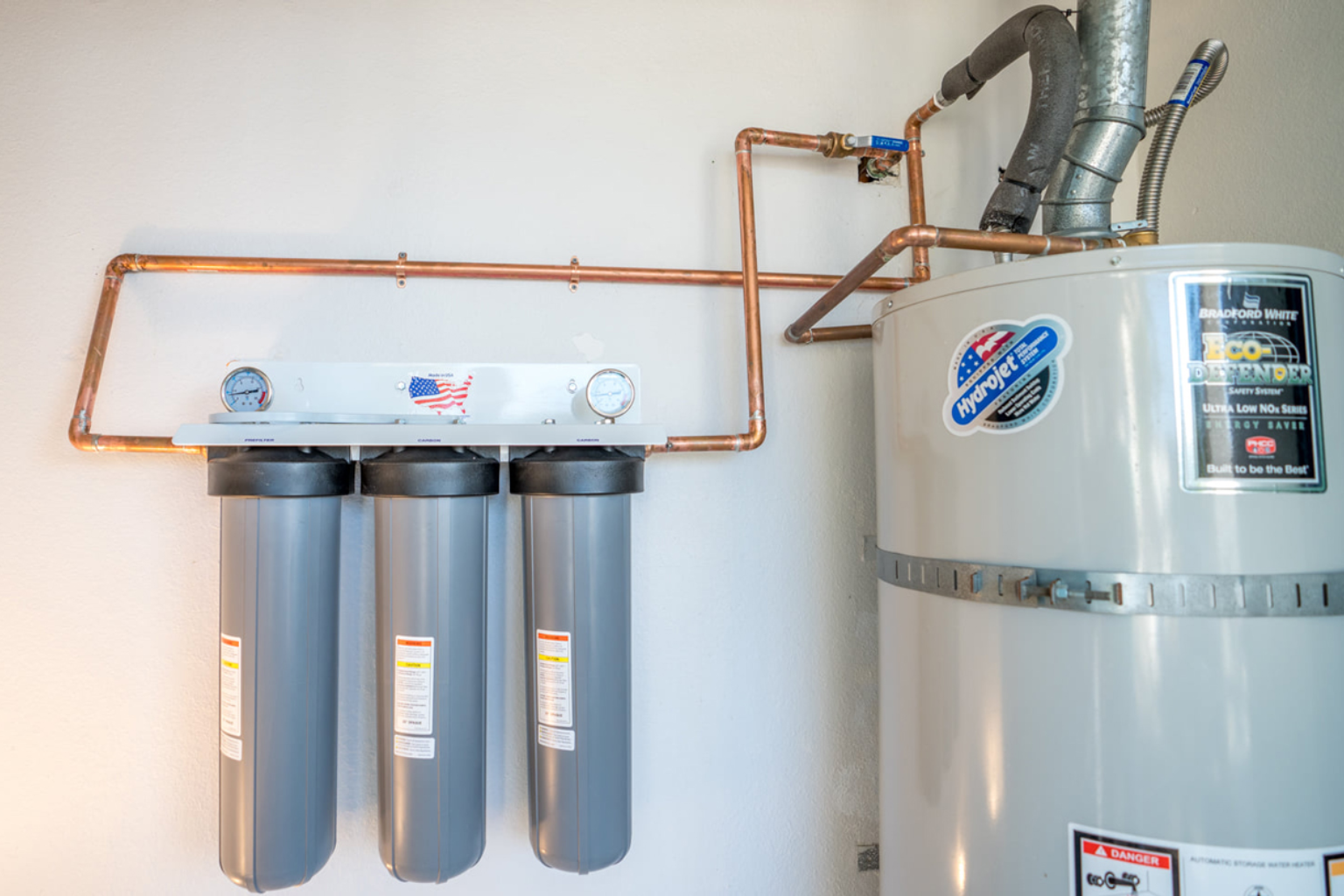
    This is where a sediment prefilter plays a crucial role. Installed at the beginning of a filtration system, it captures larger particles before they move deeper into household plumbing.

    By removing sediment early, it helps protect pipes, extend appliance lifespan, and improve overall water clarity.

    Many homeowners notice the difference almost immediately — water appears cleaner, and fixtures stay free from gritty residue.


    How Taste Influences Daily Habits

    Water taste is something people rarely think about until it becomes unpleasant. A faint chemical flavor or metallic aftertaste can discourage regular hydration and affect the quality of beverages and meals.

    Improving water taste improvement is often one of the first motivations for installing filtration systems.

    Activated carbon filters are particularly effective at addressing taste issues by removing chlorine and organic compounds that create odor and flavor problems.

    Once filtration is in place, many homeowners describe a simple but meaningful change: they start drinking more water because it actually tastes good.

    Coffee and tea become smoother. Cooking results feel more consistent. Even plain tap water becomes refreshing.


    The Role of Removing Chemical Residues

    Beyond physical particles and taste concerns, water may contain trace chemical residues from treatment processes or environmental sources.

    While these substances are usually present in safe levels, many homeowners prefer to reduce them further for added peace of mind.

    Modern filtration systems designed for chemical removal use multi-stage processes to capture chlorine, chloramines, and certain organic compounds.

    These systems operate quietly in the background, continuously improving water quality without requiring constant maintenance.

    Over time, this leads to water that feels more balanced and reliable across all household uses.


    The Unexpected Benefits of Better Filtration

    When homeowners install filtration systems, they often discover benefits beyond drinking water quality.

    Cleaning tasks become easier because filtered water leaves fewer residues on surfaces. Glassware stays clearer after washing. Laundry feels softer due to reduced mineral and chemical content.

    Personal care routines may also improve. Many people report that their skin feels less dry and their hair more manageable when exposed to treated water during showers.

    These small improvements accumulate into a noticeable enhancement in daily comfort.


    Protecting Plumbing and Appliances

    Filtration systems don’t just improve sensory quality — they also play a practical role in protecting household infrastructure.

    Sediment and chemical residues can gradually damage pipes, clog valves, and reduce appliance efficiency.

    By filtering water before it circulates through the home, filtration systems help maintain optimal plumbing performance and extend appliance lifespan.

    Over time, this reduces maintenance costs and prevents unexpected repairs.


    The Emotional Value of Trusting Your Water

    There’s also a psychological aspect to water quality that often goes unnoticed.

    When homeowners trust their water supply, they feel more comfortable using it for drinking, cooking, and everyday activities. This confidence removes an invisible layer of daily uncertainty.

    Families can focus on routines without worrying about what might be present in their water.

    This peace of mind becomes part of the overall comfort of living in a well-maintained home.


    Small Steps That Create Lasting Results

    Improving water quality doesn’t require major lifestyle changes. Many homeowners begin with simple filtration upgrades that address specific issues such as sediment or taste.

    Over time, these systems operate quietly in the background, delivering continuous benefits without demanding attention.

    They simplify maintenance, enhance comfort, and contribute to a more efficient home environment.


    A Home That Supports Everyday Living

    At its core, a home should do more than provide shelter. It should actively support daily routines and well-being.

    Clean, balanced water plays a fundamental role in achieving this goal. It influences hydration, food preparation, cleaning efficiency, and overall household performance.

    By investing in effective filtration solutions, homeowners create living spaces that feel more reliable and easier to manage.


    The Quiet Transformation of Better Water

    Perhaps the most remarkable aspect of modern water filtration is how seamlessly it integrates into everyday life.

    Once installed, these systems work silently, ensuring consistent water quality without disrupting routines.

    And in the end, that quiet reliability is what makes them so valuable.

    Because when your tap water finally looks clear, tastes fresh, and feels balanced, it doesn’t just improve what you drink — it transforms how your entire home feels to live in, making daily life smoother, healthier, and far more comfortable over time.

  • Секреты неисчерпаемой энергии и профессионального долголетия

    Секреты неисчерпаемой энергии и профессионального долголетия

    В возрасте после 45 лет многие женщины достигают пика своей карьеры, когда накопленный опыт и профессиональная интуиция позволяют решать задачи любой сложности. Однако именно в этот период организм начинает предъявлять новые требования к режиму работы и отдыха из-за постепенного снижения гормональной активности. Внезапная утомляемость, сложности с концентрацией внимания и ощущение «тумана в голове» могут стать неприятным сюрпризом даже для самых закаленных карьеристок. Наступающий климакс часто вносит свои коррективы в амбициозные планы, заставляя тратить огромные ресурсы на поддержание привычного темпа жизни. Чтобы не допустить профессионального выгорания, важно вовремя распознать эти сигналы и предложить телу адекватную поддержку.

    Снижение уровня эстрогенов напрямую влияет на когнитивные функции и скорость обработки информации, так как эти гормоны участвуют в защите нейронов от окислительного стресса. Женщина может заметить, что привычный многозадачный режим вызывает непривычное раздражение, а восстановление после рабочей недели требует гораздо больше времени, чем раньше. В такой ситуации стандартные стимуляторы вроде кофеина лишь усугубляют проблему, создавая излишнюю нагрузку на сосуды и нервную систему. Рациональным выходом становятся негормональные таблетки при климаксе, которые содержат аминокислоты и растительные экстракты, способствующие нормализации метаболизма в тканях мозга. Такая мягкая коррекция помогает сохранить ясность мышления и эмоциональную стабильность без побочных эффектов для организма.

    Поддержание физического тонуса также требует пересмотра привычного рациона и графика физических нагрузок. Мышечная масса в период менопаузы склонна к постепенному уменьшению, что ведет к замедлению общего обмена веществ и снижению жизненных сил. Включение в повседневную жизнь умеренных аэробных тренировок и контроль за качеством потребляемого белка помогают оставаться в форме и противостоять возрастной апатии. Важно помнить, что энергия берется не из внешней стимуляции, а из слаженной работы митохондрий и отсутствия дефицита ключевых микроэлементов. Когда внутренняя биохимия сбалансирована, женщина перестает чувствовать себя заложницей своих биологических циклов, возвращая себе радость от активной деятельности.

    Важное значение в сохранении работоспособности имеет полноценный отдых, который часто приносится в жертву дедлайнам и семейным обязательствам. Хронический стресс провоцирует выброс кортизола, который в сочетании с низким уровнем эстрогенов создает гремучую смесь, разрушающую иммунитет. Создание жестких границ между работой и личным временем становится не просто рекомендацией психологов, а физиологической необходимостью для сохранения здоровья. Использование натуральных комплексов для поддержки нервной системы позволяет легче переносить психологические нагрузки и быстрее восстанавливаться после эмоциональных потрясений. Забота о своем ресурсном состоянии позволяет женщине оставаться востребованным специалистом и вдохновляющим лидером.

    Современный подход к зрелости подразумевает активное использование достижений нутрициологии для поддержания высокого качества жизни. Период перемен может стать временем новых открытий и карьерных взлетов, если подойти к нему с позиций превентивной медицины и здравого смысла. Инвестируя в свое самочувствие сегодня, вы обеспечиваете себе долгие годы продуктивной и интересной жизни в будущем. Сила женщины в этот период заключается в умении слушать свое тело и вовремя давать ему все необходимое для гармоничной работы. Уверенность в своих силах и физическая бодрость превращают элегантный возраст в пору истинного расцвета и реализации самых смелых идей.

  • The Little Signs Your Water Is Affecting Your Home — And How Better Quality Changes Everything

    The Little Signs Your Water Is Affecting Your Home — And How Better Quality Changes Everything

    Most people don’t notice their water until something goes wrong. Maybe the kettle develops a stubborn white crust. Maybe soap refuses to lather properly, no matter how much you use. Or perhaps you run a load of dishes and they come out looking… dull.

    None of these problems feel urgent. They’re just small annoyances — easy to ignore, easy to accept as part of everyday life. But over time, they add up.

    Water quality has a surprisingly quiet influence on how comfortable, efficient, and even healthy our daily routines feel. And once it improves, the difference can feel almost dramatic.

    Why Hard Water Causes So Many Subtle Problems

    One of the most common water issues is hardness. Hard water contains high levels of dissolved minerals like calcium and magnesium. These minerals naturally occur in many groundwater sources, so they’re incredibly widespread.

    They’re not harmful to drink, but they create a long list of inconveniences.

    Hard water leaves behind chalky deposits on faucets and appliances. It makes cleaning products less effective. It can even shorten the lifespan of plumbing systems over time.

    The tricky part is that these effects develop slowly. People don’t always connect the dots right away.

    But once you understand what’s happening, the solution becomes surprisingly straightforward.

    The Hidden Damage Inside Your Plumbing

    When hard water flows through pipes, it doesn’t just pass through — it leaves something behind.

    Mineral deposits accumulate on heating elements, inside water heaters, and along plumbing walls. Over time, this buildup restricts water flow and reduces efficiency.

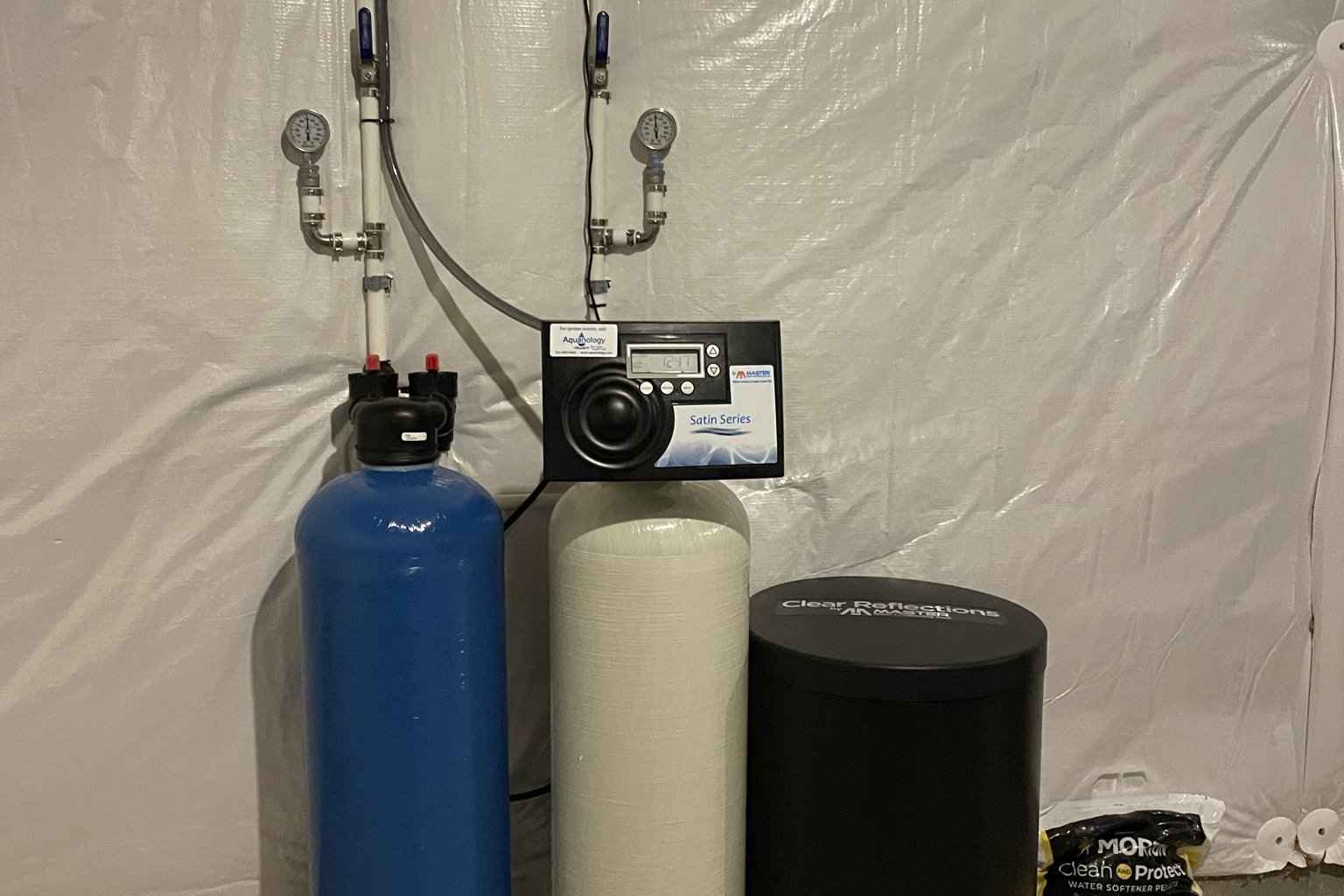
    This is why homeowners often look for ways to prevent scale build-up before it becomes a serious problem.

    By reducing mineral content, water treatment systems help keep plumbing clear, appliances efficient, and maintenance costs lower in the long run.

    It’s a protective measure that quietly saves both time and money.

    The Impact on Skin and Hair Comfort

    Hard water doesn’t just affect plumbing — it also affects personal care.

    When minerals interact with soap, they form a residue that can cling to skin and hair. This residue prevents soap from rinsing away completely, leaving behind a slightly sticky or dry feeling.

    Many people notice that after improving water quality, they experience softer skin & hair almost immediately.

    Showers feel more refreshing. Hair becomes easier to manage. Skin feels smoother and less irritated.

    It’s one of the most noticeable and appreciated benefits of better water — especially because it enhances a daily routine we rarely think twice about.

    Cleaning Becomes Surprisingly Easier

    Another area where water quality makes a big difference is cleaning.

    Hard minerals interfere with detergents, forcing people to use more soap than necessary. Even then, results may still feel incomplete.

    You might notice streaks on mirrors, cloudy spots on dishes, or a dull film on glass surfaces.

    Once water is properly treated, these issues often disappear. Many homeowners are surprised by how easily they achieve spotless glassware and streak-free surfaces without extra effort.

    Cleaning becomes faster, simpler, and more efficient.

    Everyday Benefits That Add Up Over Time

    Better water quality doesn’t just solve individual problems — it improves overall household efficiency.

    Laundry feels softer and retains color longer. Appliances like dishwashers and washing machines operate more smoothly. Even hot water heaters work more efficiently without mineral buildup.

    These improvements may seem small at first, but over months and years, they create meaningful savings and convenience.

    It’s one of those upgrades that quietly enhances daily living without requiring constant attention.

    The Financial and Environmental Advantages

    Improving water quality also brings unexpected financial and environmental benefits.

    When water is softer, cleaning products and detergents work more effectively, reducing consumption. Appliances last longer, lowering replacement costs.

    Better-tasting water also encourages households to rely less on bottled water, reducing plastic waste and saving money.

    It’s a practical investment that supports both sustainability and long-term cost efficiency.

    Why Clean Water Feels Like a Lifestyle Upgrade

    What makes improved water quality so unique is how seamlessly it integrates into everyday life.

    There’s no dramatic transformation — no visible renovation or major lifestyle change. Instead, benefits appear gradually in daily routines.

    Showers feel more comfortable. Cleaning requires less effort. Appliances perform better. Water tastes fresher.

    Over time, these small improvements accumulate into something meaningful: a more comfortable, efficient home environment.

    A Quiet Foundation for Daily Comfort

    At its core, water quality is about more than just safety or convenience. It’s about enhancing one of the most fundamental elements of daily life.

    Water touches nearly everything we do — from cooking and cleaning to bathing and hydration. When its quality improves, every connected activity becomes slightly easier and more enjoyable.

    And perhaps that’s the most remarkable part: once water is truly optimized, it fades back into the background.

    You stop noticing it altogether — except in the quiet, steady ways it makes your home feel cleaner, more comfortable, and more efficient every single day.

  • The Quiet Power of a Good Door: Why the Right Choice Changes How a Home Feels

    The Quiet Power of a Good Door: Why the Right Choice Changes How a Home Feels

    There’s a small moment most people overlook — the sound of a door closing behind them at the end of a long day. It’s a simple click, barely noticeable. Yet somehow, it signals something deeper: safety, comfort, a boundary between the outside world and the place you call home.

    Doors are funny that way. They don’t demand attention like furniture or décor, but they quietly shape how we experience our living spaces every single day. And when they don’t work well — when cold air sneaks in during winter or hinges creak louder each month — suddenly, we realize just how important they really are.

    More Than Just an Entryway

    A door isn’t just a piece of wood, metal, or fiberglass attached to a frame. It’s a first impression. It’s a barrier against weather. It’s a layer of protection that most homeowners rely on without even thinking about it.

    When you approach a home, one of the first things you notice is the entry door. It sets the tone immediately — whether the home feels warm and welcoming, modern and sleek, or classic and timeless.

    But beyond appearance, doors also influence insulation, noise reduction, and security. A poorly fitted door can lead to drafts, higher energy bills, and even safety concerns.

    That’s why upgrading a door often feels like a small change with surprisingly big results.

    Why Fit Matters More Than You Think

    Many homeowners assume doors are universal — that they simply come in standard sizes and can be swapped out quickly. But the truth is, every home is slightly different.

    Walls shift over time. Frames settle. Openings vary by construction style. This is why many people turn to custom door installation when replacing older doors.

    Custom installation ensures that the door fits perfectly within its frame, eliminating gaps that could allow air leakage or moisture intrusion. It also allows homeowners to select materials, finishes, and design elements that match their home’s architecture.

    The difference may seem subtle at first, but over time, a properly fitted door performs better, lasts longer, and requires less maintenance.

    Security Starts at the Entrance

    Another major factor driving door upgrades is safety. In today’s world, homeowners are increasingly focused on creating spaces that feel secure without sacrificing comfort.

    Modern doors are designed with enhanced home security features, including reinforced cores, multi-point locking systems, and impact-resistant materials.

    These advancements provide peace of mind. A strong, well-constructed door acts as a powerful deterrent against unauthorized entry, making homes safer for families.

    But security isn’t just about protection from people. It also involves safeguarding against environmental threats like strong winds or debris during storms.

    That’s where durable construction plays a crucial role.

    Standing Strong Against the Elements

    Weather can be unpredictable. Heavy rain, intense sunlight, freezing temperatures — doors must withstand all of it while maintaining their performance.

    This is why homeowners often look for weather resistant doors when planning replacements. These doors are designed with materials that resist warping, fading, cracking, and moisture damage.

    Advanced sealing systems also help prevent water infiltration and air leaks, ensuring that indoor environments remain comfortable regardless of outdoor conditions.

    Over time, this resilience translates into fewer repairs, lower maintenance costs, and a longer lifespan for the door itself.

    The Comfort Factor

    One of the most noticeable benefits of upgrading doors is improved indoor comfort.

    Older doors often allow air leakage, creating drafts that make rooms feel colder in winter and warmer in summer. This forces heating and cooling systems to work harder, increasing energy consumption.

    Modern doors with insulated cores and tight seals help maintain stable indoor temperatures. The result? Lower energy bills and a more comfortable living environment.

    Many homeowners are surprised by how much quieter their homes feel after installing new doors. Improved sealing reduces outside noise, creating a calmer indoor atmosphere.

    Aesthetic Impact Without Major Renovation

    Replacing a door is one of the simplest ways to transform a home’s appearance.

    A new entry door can dramatically improve curb appeal. It refreshes the exterior without requiring major structural changes.

    Inside, updated doors can enhance lighting, especially when incorporating glass panels or sidelights. Natural light flowing through entryways can make spaces feel brighter and more inviting.

    This combination of visual and functional improvements makes door replacement one of the most cost-effective home upgrades.

    Installation Quality Matters

    Even the best door won’t perform well if it’s installed improperly.

    Precise alignment, proper sealing, and secure anchoring are essential to ensure durability and efficiency. Professional installation helps prevent issues like air leaks, moisture infiltration, and operational difficulties.

    Experienced installers also understand how to account for building movement and environmental exposure — factors that influence long-term performance.

    A Small Upgrade With Lasting Impact

    In the grand scheme of home improvements, doors may seem like minor details. But their influence is anything but small.

    They affect comfort, security, energy efficiency, and visual appeal all at once. They quietly shape everyday experiences, from the moment you leave in the morning to the reassuring sound of closing them at night.

    And perhaps that’s what makes choosing the right door so meaningful. It’s not just about replacing an entry point — it’s about enhancing the way a home feels, functions, and protects what matters most.

  • Boot Camp Dog Training: Transform Behavior with Expert Tips

    Boot Camp Dog Training: Transform Behavior with Expert Tips

     
    A boot camp dog program is one of the most effective ways to address behavioral challenges in pets while promoting obedience, socialization, and confidence. Unlike casual training, these intensive programs immerse dogs in structured routines that reinforce positive behavior consistently. For dogs struggling with excessive barking, leash pulling, aggression, or disobedience, boot camp dog programs provide a focused environment to see measurable results quickly.

    These programs go beyond basic commands, teaching dogs how to respond appropriately in diverse situations. With professional guidance and clear, consistent instruction, boot camp dog programs not only modify behavior but also enhance communication between dogs and their owners. Understanding the core elements of boot camp dog training can help pet owners select a program that meets their dog’s specific needs while ensuring long-term behavioral success.

    What Makes a Boot Camp Dog Program Effective

    Boot camp dog programs succeed because they combine structured routines with professional expertise and behavioral science. Several key factors contribute to their effectiveness:

    • Structured Environment: Dogs thrive on consistency. Boot camps provide daily schedules that balance training, exercise, rest, and social interaction, creating a predictable environment that encourages learning.
    • Professional Trainers: Experienced trainers can identify behavioral triggers and adjust training techniques for individual dogs, ensuring personalized attention that accelerates progress.
    • Socialization Opportunities: Interaction with other dogs in a controlled environment helps reduce anxiety, improve confidence, and foster healthy social behavior.
    • Behavior Tracking: Trainers monitor progress through regular assessments, allowing them to adjust techniques as needed and provide clear feedback to pet owners.

    Key Benefits of Intensive Dog Training

    Boot camp dog programs offer several measurable benefits that casual training cannot match:

    1. Rapid Behavior Improvement: Intensive sessions deliver faster results than standard weekly lessons, helping dogs unlearn bad habits efficiently.
    2. Better Communication: Dogs quickly learn to understand and respond to clear commands, strengthening the bond between pet and owner.
    3. Reduced Problem Behaviors: Persistent issues like barking, jumping, or leash pulling are directly addressed in structured sessions.
    4. Confidence Development: Exposure to new challenges in a controlled setting helps dogs feel secure and well-adjusted in multiple situations.
    5. Owner Education: Pet owners gain insights into training methods, enabling consistent reinforcement at home.

     Boot Camp Dog Program Formats

    Boot camp dog programs are not one-size-fits-all. Understanding different formats can help pet owners select the program that aligns with their goals:

    • Board and Train Programs: Dogs stay at the training facility full-time, allowing trainers to immerse them in structured routines.
    • Day Boot Camps: Dogs attend for several hours daily, offering intensive training while returning home each evening.
    • Private Boot Camps: Individualized programs tailored for dogs with specific behavioral challenges or advanced training needs.

    Each format has advantages: board-and-train programs often produce the fastest results, while day boot camps allow owners to practice skills at home immediately. Private programs are ideal for dogs with unique needs or severe behavior issues.

    Techniques Used in Boot Camp Dog Training

    Professional boot camp programs utilize a combination of proven techniques to achieve consistent results:

    • Positive Reinforcement: Rewarding good behavior encourages repetition and strengthens the bond between dog and trainer.
    • Clicker Training: Clickers provide precise, consistent feedback that accelerates learning.
    • Leash and Boundary Training: Dogs learn to respect physical and behavioral boundaries, reducing unwanted behaviors.
    • Behavioral Correction: Non-harmful corrections guide dogs away from negative behavior while reinforcing positive alternatives.

    How to Choose the Right Boot Camp Dog Program

    Selecting a boot camp dog program requires careful evaluation to ensure the program is safe, effective, and aligned with specific needs:

    • Verify Trainer Credentials: Look for certified, experienced trainers with a proven track record.
    • Understand Training Methods: Programs based on positive reinforcement and science-backed techniques tend to yield better long-term results.
    • Review Testimonials and Success Stories: Feedback from other pet owners provides insight into program effectiveness.
    • Evaluate Program Duration and Support: Some programs include follow-up sessions or guidance for continuing training at home, ensuring lasting success.
    • Assess Facility Quality: Safe, clean, and well-maintained environments contribute to a positive experience for both dogs and owners

    Common Misconceptions About Boot Camp Dog Training

    Boot camp dog programs often face skepticism due to myths or misunderstanding:

    • Myth 1: Boot Camps Are Harsh: Reputable programs focus on positive, structured learning rather than punishment.
    • Myth 2: Only Problem Dogs Benefit: Even well-behaved dogs can gain socialization, mental stimulation, and advanced obedience skills.
    • Myth 3: Results Are Temporary: With proper follow-up and consistent reinforcement at home, behavioral improvements are long-lasting.

    Addressing these misconceptions helps pet owners make informed decisions and select programs that truly benefit their dogs.

    Preparing Your Dog for Boot Camp

    Proper preparation maximizes success and reduces stress:

    • Health Check: Ensure vaccinations, flea/tick prevention, and a general health assessment are up-to-date.
    • Gather Supplies: Leashes, collars, favorite toys, and comfort items may be required.
    • Establish Goals: Identify specific behaviors or skills to focus on, ensuring trainers can tailor the program effectively.
    • Owner Readiness: Be prepared to follow up at home with learned techniques for consistent reinforcement.

    Maintaining Progress After Boot Camp

    Behavioral improvement doesn’t end when the program does. Long-term success relies on continued practice:

    1. Consistent Reinforcement: Apply commands and rewards learned during boot camp daily.
    2. Structured Routine at Home: Maintain regular feeding, exercise, and training schedules.
    3. Regular Check-ins: Some programs offer follow-up sessions to assess progress and address challenges.
    4. Ongoing Socialization: Continue exposing dogs to new people, environments, and animals safely.

    Conclusion

    Boot camp dog programs offer an unparalleled opportunity to transform canine behavior while strengthening the bond between dog and owner. Through structured routines, expert guidance, and proven training techniques, dogs gain confidence, learn obedience, and overcome problem behaviors efficiently. Selecting the right program requires careful research into trainer credentials, training methods, and program structure to ensure lasting results.

    Success extends beyond the boot camp itself. Consistent reinforcement, structured home routines, and continued socialization are essential to maintain behavioral improvements. For pet owners seeking fast, reliable, and professional results, a boot camp dog program represents a strategic investment in a dog’s well-being and happiness.

    Discover a program designed to deliver measurable results, tailored to each dog’s needs, and backed by professional expertise. Explore Rob’s Dog Training to learn how boot camp dog programs can create lasting behavioral change and strengthen the bond between dogs and their owners.