Blog

  • When “Pure” Water Actually Means Something Different

    When “Pure” Water Actually Means Something Different

    There’s a point—usually somewhere between curiosity and necessity—when regular tap water stops being enough. Not because it’s unsafe, but because it doesn’t meet a very specific need.

    Maybe you’re dealing with lab work, running a small manufacturing setup, maintaining an aquarium, or even just trying to protect expensive equipment from mineral buildup. Whatever the reason, you start hearing about “deionized water.”

    And suddenly, the definition of “clean” water feels a lot more complicated than it used to.


    What Makes Deionized Water Different?

    At first glance, all purified water sounds the same. Filtered, distilled, reverse osmosis—it’s easy to lump them together.

    But deionized water plays a slightly different game.

    Instead of just removing particles or certain contaminants, it focuses on ion removal—stripping away charged minerals like calcium, magnesium, sodium, and even some trace metals. What you’re left with is water that’s extremely low in conductivity, meaning it carries almost no electrical charge.

    That’s a big deal in certain environments. Electronics, pharmaceuticals, labs—places where even tiny impurities can interfere with results or damage sensitive components.

    But outside those contexts? It starts to feel a bit more niche.


    Why People Actually Use It

    Let’s make this practical.

    If you’re washing a car and want a spotless finish with no water marks, deionized water can help. If you’re working with equipment that reacts to mineral buildup, it becomes even more useful.

    And in scientific settings, it’s often essential.

    That’s where a deionized water guide becomes helpful—not just explaining what it is, but when it actually makes sense to use it. Because not every situation calls for ultra-pure water.

    Sometimes, regular filtered water does the job just fine.

    The key is knowing the difference.


    How the Process Works (Without Getting Lost in It)

    Deionization relies on something called ion exchange. Water passes through resin beads that attract and hold onto unwanted ions, replacing them with hydrogen and hydroxide ions.

    Those combine to form… more water.

    It’s clever, really. A kind of chemical trade-off happening quietly inside the system.

    But you don’t need to memorize the science to appreciate the result. What matters is that the output is highly purified water, stripped of the minerals that typically cause issues.


    Where DI Systems Fit In

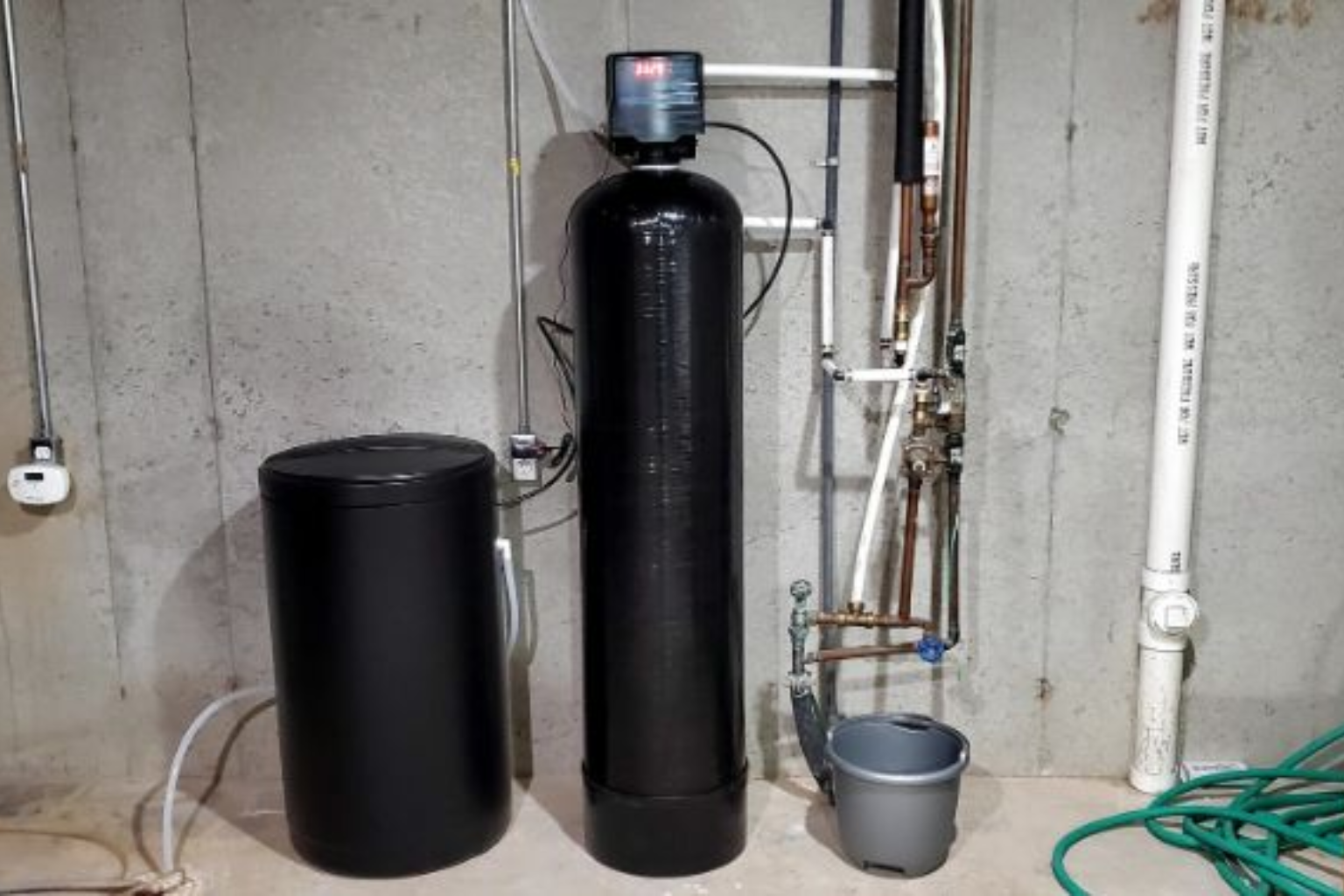
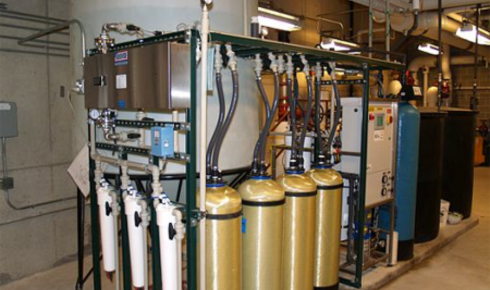
    You’ll often hear about di systems in professional or industrial setups. These systems can range from compact, portable units to large-scale installations designed for continuous use.

    Some are standalone. Others are paired with reverse osmosis systems to improve efficiency and extend the life of the resin.

    And that pairing is important. DI systems work best when they’re not overloaded with contaminants from the start. Pre-treatment helps them perform better and last longer.

    It’s a bit like using a good pre-filter before running something through a finer process—it just makes everything smoother.


    Not Always Meant for Drinking

    Here’s something that surprises people: deionized water isn’t typically recommended for drinking.

    Not because it’s unsafe in small amounts, but because it lacks minerals your body actually needs. It can taste flat, almost empty. Some even describe it as slightly unnatural.

    That’s why it’s mostly used for specific applications rather than everyday hydration.

    It’s a reminder that “pure” doesn’t always mean “better” in every context.


    Maintenance: The Part That Matters More Than You Think

    If you’re considering a DI system, it’s worth understanding the maintenance side of things.

    Resin doesn’t last forever. Over time, it becomes saturated and needs to be replaced or regenerated. If you ignore that, the system stops working effectively—sometimes without obvious signs.

    Monitoring water quality, checking conductivity levels, and keeping an eye on system performance are all part of the process.

    It’s not overly complicated, but it does require a bit of attention.


    When It Makes Sense (And When It Doesn’t)

    This is where honesty comes in.

    Deionized water is incredibly useful—but only in the right situations.

    If you’re dealing with sensitive equipment, specific industrial processes, or applications where mineral-free water is essential, it’s a great solution.

    But for general household use? It’s often more than you need.

    And that’s okay.

    Not every tool is meant for every job.


    The Subtle Benefits You Might Notice

    When deionized water is used in the right context, the benefits are clear.

    No residue. No scaling. No interference from minerals.

    Surfaces dry clean. Equipment runs more efficiently. Results become more consistent.

    It’s not flashy, but it’s effective.

    And in many cases, that’s exactly what matters.


    A Final Thought, Without Overcomplicating It

    Water can be simple—or it can be incredibly precise, depending on what you need from it.

    Deionized water sits on that more precise end of the spectrum. It’s not about everyday convenience. It’s about achieving a specific level of purity for specific purposes.

    So if you find yourself exploring it, don’t get caught up in the technical details too quickly.

    Start with the question that matters most: why do I need this?

    Because once you have that answer, everything else tends to fall into place.

    And that’s usually how it goes with water—the clearer your purpose, the clearer your solution.

  • Why Good Plumbing Feels Invisible (Until It Doesn’t)

    Why Good Plumbing Feels Invisible (Until It Doesn’t)

    There’s a certain kind of comfort that comes from things working exactly the way they should. You turn on the tap, and water flows. You step into the shower, and the temperature is just right. No noise, no hesitation, no surprises.

    And the funny part? You barely notice it.

    Plumbing, when it’s done well, fades into the background. It becomes part of your daily rhythm—quiet, dependable, almost taken for granted. But the moment something goes wrong, that silence disappears. Suddenly, it’s all you can think about.

    When Small Problems Start Speaking Loudly

    It usually starts small.

    A drip you ignore for a few days. A sink that drains just a bit slower than usual. A faint noise in the pipes that wasn’t there before. None of it feels urgent at first. You tell yourself you’ll deal with it later.

    But “later” has a habit of turning into “too late.”

    Plumbing issues rarely stay small. They grow, quietly at first, then all at once. And by the time they demand attention, they’re harder—and often more expensive—to fix.

    That’s why paying attention early matters. Not because you want to overreact, but because you want to stay ahead of the problem.

    What People Really Want From a Plumbing Service

    If you think about it, most people aren’t looking for the cheapest plumber or the fastest fix. They’re looking for something simpler.

    They want peace of mind.

    They want to know that the job will be done properly, that they won’t have to deal with the same issue again next week, and that the person they’ve called actually cares about the outcome.

    That’s where customer satisfaction becomes more than just a buzzword. It’s the feeling you get when everything is handled smoothly—no confusion, no surprises, no lingering doubts.

    It’s not about perfection. It’s about trust.

    The Difference Between Doing the Job and Doing It Right

    There’s a subtle difference between fixing something and fixing it well.

    A quick repair might stop the immediate problem, but it doesn’t always address the cause. And when the cause remains, the issue tends to return.

    That’s where true quality service stands out. It’s not rushed. It’s thoughtful. It takes into account not just what’s broken, but why it broke in the first place.

    Good service isn’t just about tools and techniques—it’s about attention to detail. It’s about taking that extra moment to make sure everything is aligned, secure, and built to last.

    And yes, it might take a little longer. But it’s worth it.

    The Human Side of Plumbing

    There’s something personal about letting someone into your home to fix a problem. You’re not just hiring a service—you’re trusting a person.

    You notice how they speak. Whether they explain things clearly or rush through them. Whether they listen to your concerns or dismiss them.

    These things matter more than we like to admit.

    That’s why people often return to trusted plumbing experts—not just because they’re skilled, but because they make the experience feel comfortable. They respect your space, your time, your questions.

    And over time, that builds a relationship. One where you don’t have to second-guess your decision.

    Why Experience Still Counts

    In an age where information is everywhere, it’s easy to think you can figure things out on your own. Watch a video, read a guide, try a quick fix.

    And sometimes, that works.

    But plumbing has a way of reminding you that experience matters. Knowing how systems behave over time, recognizing patterns, anticipating issues before they become visible—these aren’t things you pick up overnight.

    They come from doing the work, again and again, in different situations, with different challenges.

    And when you see that level of understanding in action, it’s reassuring. It tells you the problem is in capable hands.

    The Cost of Waiting Too Long

    One of the most common mistakes homeowners make is waiting.

    Waiting for the issue to get worse before taking action. Waiting for a more convenient time. Waiting until it feels unavoidable.

    But plumbing problems don’t pause. They continue, quietly, often causing more damage beneath the surface.

    A small leak today could mean structural damage tomorrow. A minor blockage could turn into a full backup. And what could have been a simple fix becomes something more complicated.

    Acting early isn’t just practical—it’s smart.

    Building a System That Works for You

    At its core, plumbing is about creating a system that supports your daily life. One that doesn’t demand attention, doesn’t cause disruption, doesn’t add unnecessary stress.

    And achieving that doesn’t require constant effort. Just a bit of awareness, a willingness to address issues when they arise, and the right help when needed.

    It’s not about making everything perfect. It’s about making everything work.

    A Final Thought, Quiet but Important

    We don’t often think about plumbing when things are going well. And maybe that’s how it should be.

    But it’s worth remembering that behind that quiet reliability is a combination of good work, careful attention, and a commitment to doing things right.

    So the next time something feels slightly off—a drip, a delay, a sound you don’t recognize—don’t ignore it. Take a moment. Look into it.

    Because sometimes, the smallest problems are the ones that teach us the most about how our homes really function.

    And fixing them? It’s not just about restoring what was lost. It’s about bringing back that quiet, effortless comfort we didn’t even realize we had.

  • Driving Again, Driving Better: A Gentle Return to the Road at Any Stage of Life

    Driving Again, Driving Better: A Gentle Return to the Road at Any Stage of Life

    There’s a quiet courage in deciding to (re)learn something you once knew—or something you’ve been putting off for years. Driving is one of those things. It’s practical, necessary for many, but also deeply personal.

    Some people return to driving after a long break. Others want to refine habits they’ve carried for years. And then there are those who, for one reason or another, never fully felt at ease behind the wheel in the first place.

    Wherever you fall, the truth is simple: it’s never too late to become a more confident, more aware driver.


    Starting Again Doesn’t Mean Starting From Scratch

    There’s this misconception that if you haven’t driven in a while—or if you’ve lost confidence—you’re somehow back at square one.

    But that’s rarely the case.

    Even after years away, certain instincts remain. You remember the basics. You understand the rhythm of the road, even if it feels a bit distant at first. The challenge isn’t learning everything again—it’s reconnecting with what you already know.

    That’s why senior driving instruction has become more relevant than ever. It’s not about treating someone like a beginner; it’s about meeting them where they are. Adjusting pace, focusing on comfort, and building trust step by step.

    And perhaps most importantly, it respects the fact that experience—even if a bit rusty—is still valuable.


    The Weight of Old Habits

    Let’s be honest—driving habits don’t just disappear over time.

    Some are good. Others… not so much.

    Maybe you’ve developed a tendency to rush through turns. Or perhaps you rely a bit too heavily on instinct instead of observation. These habits aren’t always obvious until you actively look at them.

    That’s where correction courses can play a meaningful role. Not in a critical or judgmental way, but as a reset. A chance to revisit the fundamentals with fresh eyes and adjust what needs adjusting.

    It’s less about pointing out mistakes and more about refining patterns.


    Confidence Isn’t Just About Skill

    You can know how to drive and still feel uneasy behind the wheel.

    Confidence is a strange thing. It doesn’t always match your actual ability. Sometimes it lags behind, shaped by past experiences, close calls, or simply time away from the road.

    Rebuilding that sense of ease takes more than practice—it takes patience.

    That’s why structured confidence programs have gained attention. They focus not just on technique, but on mindset. Helping drivers feel comfortable again, not just capable.

    Because there’s a difference.


    The Emotional Side of Driving

    This part doesn’t get talked about enough.

    Driving can bring up a range of emotions—especially if you’ve had a negative experience in the past. A minor accident, a stressful situation, even just a long break can leave a mark.

    And when you return to the road, those feelings can resurface.

    You might hesitate more than usual. Overthink simple decisions. Feel tense in situations that didn’t bother you before.

    That’s okay.

    It doesn’t mean you’re not ready. It just means you’re human.


    Taking It One Step at a Time

    There’s no need to rush.

    Start small. Quiet roads, familiar routes, short drives. Let yourself ease back into it without pressure. Gradually, expand your comfort zone—busier streets, different conditions, longer distances.

    Progress doesn’t have to be dramatic to be meaningful.

    In fact, the most lasting improvements often come from steady, consistent practice rather than big leaps.


    Why Patience Matters More Than Speed

    In a world that often values quick results, it’s easy to feel like you should “get back to normal” as soon as possible.

    But driving doesn’t work that way.

    Rushing the process can actually slow you down. It adds pressure, increases mistakes, and makes the experience less enjoyable.

    Patience, on the other hand, creates space for real learning.

    It allows you to notice details, adjust your approach, and build confidence naturally.


    Rediscovering the Rhythm of the Road

    Over time, something shifts.

    The tension eases. Your movements feel more fluid. You stop thinking about every action and start responding instinctively again.

    You notice the rhythm of traffic—the way it flows, pauses, adjusts. You find your place within it, not forcing it, just moving with it.

    It’s not about becoming perfect. It’s about becoming comfortable.


    The Quiet Wins That Matter Most

    Not every achievement needs to be big or obvious.

    Sometimes, it’s the small things that carry the most meaning. Completing a drive without feeling anxious. Navigating a tricky intersection smoothly. Realizing you didn’t hesitate where you used to.

    These moments don’t come with applause, but they matter.

    They’re signs of progress, even if they don’t feel dramatic.


    Letting Go of Comparison

    It’s easy to compare yourself to others—especially on the road.

    Why do they seem so relaxed? Why does everything look effortless for them?

    But the truth is, every driver has their own journey. Their own pace, their own challenges, their own timeline.

    Comparing doesn’t help. It just adds unnecessary pressure.

    Focus on your progress. That’s what counts.


    Final Thoughts

    Driving, at its core, is about more than just getting from one place to another.

    It’s about awareness. Responsibility. And, in many ways, independence.

    If you’re returning to it after a break—or trying to improve after years of doing things a certain way—give yourself credit for taking that step.

    It’s not always easy. But it’s worth it.

    Because every bit of progress, no matter how small, brings you closer to feeling at ease on the road again.

    And once that ease returns, everything else tends to follow.

  • A Glass of Water, Reconsidered: Why What You Drink Matters More Than You Think

    A Glass of Water, Reconsidered: Why What You Drink Matters More Than You Think

    There’s something almost poetic about a glass of water. Clear, simple, unassuming. It sits there without demanding attention, yet it’s one of the few things we rely on every single day without question.

    Or at least, without questioning it—until we do.

    Sometimes it’s the taste that gives it away. A faint metallic hint, or that flat, almost lifeless feeling when you take a sip. Other times, it’s just a quiet thought that lingers: “Is this really as clean as it looks?”

    And once that thought settles in, it doesn’t leave easily.


    When “Good Enough” Stops Feeling Enough

    Most tap water meets safety standards. That’s the baseline, and it’s important. But safety and satisfaction aren’t always the same thing.

    You might notice your water tastes different depending on the time of day. Or your tea doesn’t brew quite the way you expect. Even something as simple as filling a bottle can come with a moment of hesitation.

    These aren’t urgent problems. They’re subtle. Easy to ignore.

    But over time, they start to shape your habits. Maybe you switch to bottled water. Maybe you add flavoring. Maybe you just stop thinking about it altogether.

    Still, that question lingers in the background.


    The Quiet Rise of Better Water at Home

    More people are starting to rethink how they approach drinking water—not in a dramatic, all-or-nothing way, but gradually.

    Instead of relying on assumptions, they’re looking for consistency. Something they can trust without second-guessing.

    That’s where reverse osmosis systems often come into the picture. They work on a level that goes beyond basic filtration, removing a wide range of impurities that affect both taste and quality.

    You don’t see the process happening. There’s no visible transformation. But when you take that first sip, you notice something is different.

    Cleaner. Crisper. Almost lighter.


    The Taste You Didn’t Realize You Were Missing

    It’s funny how quickly we adapt to the taste of water—even when it’s not ideal.

    You might not notice the chlorine. Or the faint aftertaste. It becomes part of the experience, something you accept without thinking.

    But then you try truly clean water, and everything shifts.

    That’s the impact of purified drinking water. It’s not just about removing what shouldn’t be there—it’s about restoring what water is supposed to feel like.

    Neutral. Refreshing. Effortless.

    And once you’ve experienced that, going back feels… off.


    More Than Just Taste: A Change in Habits

    Here’s something people don’t always expect: when your water improves, your habits change too.

    You start drinking more—not because you’re forcing yourself to, but because it actually feels good. You reach for water instead of something else. It becomes the easy choice.

    Even your daily routines shift in small ways. Making coffee feels more enjoyable. Cooking feels a bit more precise. It’s not a dramatic transformation, but it’s noticeable.

    And over time, those small changes add up.


    The Convenience You Didn’t Know You Needed

    There’s also something to be said for convenience.

    When you trust your water, you don’t have to think about alternatives. No more stocking bottled water, no more second-guessing what’s coming out of your tap.

    It simplifies things.

    And in a world where so many things feel complicated, that simplicity is refreshing in its own way.


    Why People Wait (Even When They’re Curious)

    Despite all this, many people hesitate to make a change.

    Partly because it doesn’t feel urgent. Water issues aren’t like a broken appliance or a leaking pipe. They’re subtle, easy to live with.

    And partly because it feels like a bigger decision than it actually is.

    But here’s the thing—once you make the shift, it doesn’t feel like a big deal anymore. It just becomes part of your home, something that works quietly in the background.


    Finding What Works Without Overthinking It

    You don’t need to dive into technical details or overanalyze every option.

    Start simple. Pay attention to your water—how it tastes, how it feels, how it fits into your daily routine. From there, it becomes easier to decide what you want to improve.

    Sometimes, it’s a small adjustment. Other times, it’s a more complete solution. Either way, the goal is the same: water you don’t have to question.


    A Change That Becomes Invisible

    The most interesting thing about improving your water is how quickly it fades into the background.

    You stop thinking about it.

    You fill a glass, take a sip, and move on. No hesitation, no second thoughts. It just works.

    And that’s exactly how it should be.


    Final Thoughts, One Sip at a Time

    If you’ve ever paused while drinking water and thought, “This could be better,” you’re probably right.

    Not because your water is bad, but because it has the potential to be better.

    And sometimes, that’s all it takes—a small shift in perspective, a willingness to explore something new.

    Because at the end of the day, water isn’t just something you drink.

    It’s something you trust.

  • Before the Leak Begins: Why Paying Attention to Your Roof Early Changes Everything

    Before the Leak Begins: Why Paying Attention to Your Roof Early Changes Everything

    Most of us don’t think about the roof until it gives us a reason to. A stain appears, a drip shows up during rain, or something just feels… off. Until then, it’s easy to assume everything is fine up there.

    And honestly, that’s the tricky part.

    Roofs are quiet. They don’t complain. They don’t send reminders. They just keep doing their job—until one day, they don’t quite do it as well as they used to.

    That’s why the idea of checking your roof before something goes wrong matters more than people usually realize.


    Catching Things Early Feels Different

    There’s a certain peace of mind that comes with knowing everything is still in good shape.

    Not guessing. Not waiting for a problem to show up. Just knowing.

    That’s where roof inspection services come into the picture. And no, it’s not just about climbing up and taking a quick look around.

    A proper inspection is more like a careful walkthrough of everything you don’t usually see. The edges, the seals, the points where water could sneak in, the areas that quietly wear down over time.

    I once had an inspection done on a roof that looked perfectly fine from the ground. Turns out, a few sections were starting to weaken—not enough to cause immediate issues, but enough to become a problem later.

    That early insight made all the difference. It turned a potential emergency into a manageable fix.


    Understanding What’s Really Going On

    A lot of people assume their roof is either “good” or “bad.” Working or not working.

    But the reality is somewhere in between.

    Roofs age gradually. Materials wear down at different rates. Some parts stay strong while others start to struggle.

    That’s why a proper roof condition evaluation matters. It gives you a clearer picture—not just of what’s happening now, but of what might happen next.

    Think of it like a timeline.

    Where is your roof today? And where is it heading?

    Are you looking at minor maintenance? Or are you getting closer to a bigger decision down the road?

    Having that context helps you plan, instead of react.


    Why Experience Changes the Outcome

    Not all inspections are the same.

    You could have two people look at the same roof and come back with completely different conclusions. One might miss subtle signs of wear, while the other picks up on details you didn’t even know to look for.

    That’s where working with certified inspectors becomes important.

    It’s not just about credentials—it’s about perspective. Training, experience, and a deeper understanding of how roofing systems behave over time.

    I’ve seen cases where a minor issue was overlooked simply because it didn’t look serious at first glance. And then I’ve seen inspectors catch those same issues early, preventing bigger problems later.

    It’s one of those situations where expertise quietly pays off.


    It’s Not Just About Problems—It’s About Confidence

    One thing people don’t talk about enough is how much peace of mind an inspection can bring.

    Sometimes, the result isn’t a list of repairs. It’s confirmation that everything is in good shape.

    And that’s valuable.

    Knowing you don’t have to worry every time it rains. Knowing your roof can handle the next season without surprises.

    That kind of confidence doesn’t come from guessing—it comes from understanding.


    The Best Time to Check Is Before You Need To

    It’s easy to think, “I’ll deal with it if something happens.”

    But by the time something happens, you’re already behind.

    Inspections work best when they’re proactive. Before the monsoon season. Before winter. Before the extreme heat kicks in.

    Those are the moments when small issues can still be addressed easily.

    Wait too long, and those same issues might turn into something bigger.


    What You Don’t See Can Still Matter

    From the ground, a roof can look perfectly fine.

    Clean lines, no visible damage, everything in place.

    But appearances can be misleading.

    Small cracks, worn seals, early signs of moisture—these things don’t always show up right away. They develop quietly, hidden from view until they become more obvious.

    That’s why relying only on what you can see isn’t always enough.

    Sometimes, it takes a closer look to understand what’s really going on.


    Planning Feels Better Than Reacting

    There’s a big difference between planning for a repair and being forced into one.

    When you plan, you have options. Time to choose materials, compare costs, think things through.

    When you react, you’re often dealing with urgency. Quick decisions, limited choices, higher stress.

    Regular inspections shift you into that first category. They give you time to prepare instead of scrambling to fix something unexpected.

    And honestly, that alone makes them worth it.


    Final Thoughts — A Little Attention Goes a Long Way

    Roofs don’t ask for much. Just a bit of attention now and then.

    A check-up. A closer look. A moment of awareness before problems begin.

    Because most major roofing issues don’t appear overnight. They build up slowly, quietly, over time.

    And the sooner you notice them, the easier they are to handle.

    So whether your roof is new, aging, or somewhere in between, it’s worth taking that extra step.

    Not because something is wrong—but because keeping it that way takes just a little care.

    And sometimes, that’s all it takes to avoid a much bigger problem later on.

  • The Everyday Signs Your Water Might Be Working Against You

    The Everyday Signs Your Water Might Be Working Against You

    It usually starts with something small. A glass that doesn’t look quite clean even after washing. Hair that feels rough no matter what conditioner you try. A shower that somehow leaves your skin feeling tighter instead of refreshed.

    At first, you blame everything else. The soap, the detergent, maybe even the weather. But eventually, there’s that quiet realization—it might not be the products at all.

    It might be your water.

    And once that thought lands, it’s hard to ignore the little clues scattered throughout your day.

    Why Water Isn’t Always as Simple as It Looks

    Water feels straightforward. It’s clear, it flows, it’s available whenever you need it. But what’s inside it can vary more than most people expect.

    Minerals like calcium and magnesium are often present in higher amounts, especially in certain regions. They’re not dangerous, which is why they don’t raise alarms. But they do change how water behaves.

    That’s where hard water effects begin to show up—not as one big issue, but as a collection of small, persistent annoyances.

    Soap doesn’t lather properly. Surfaces never seem fully clean. Appliances start showing signs of wear sooner than expected.

    It’s subtle, but it’s there. And over time, it adds up.

    The Way Your Skin and Hair Tell the Story

    One of the most personal ways hard water shows up is through how it affects your body.

    If you’ve ever stepped out of the shower feeling less refreshed than you expected, you’re not imagining it. Minerals in hard water can leave behind a residue that prevents soap from rinsing away completely.

    That lingering film can lead to dry skin & hair issues that don’t seem to go away, no matter how many products you try.

    You might switch shampoos, experiment with moisturizers, even adjust your routine. But if the water itself is part of the problem, those changes only go so far.

    When water quality improves, though, the difference is noticeable. Skin feels softer. Hair becomes easier to manage. It’s not a miracle fix—but it’s a step in the right direction.

    And sometimes, that’s all you need.

    The Frustration You See Every Day

    Then there are the visible signs—the ones that stare back at you from your kitchen and bathroom.

    You wash your dishes, expecting them to come out sparkling clean. But instead, you’re left with cloudy glasses, streaks, or those frustrating marks that don’t wipe away easily.

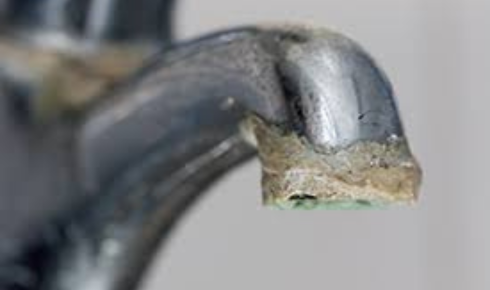
    Those are the stubborn spots on dishes that hard water tends to leave behind. They’re not dirt, exactly. They’re mineral deposits—tiny traces of calcium and magnesium that cling to surfaces as water evaporates.

    And no matter how much detergent you use or how carefully you load your dishwasher, they keep coming back.

    It’s the kind of thing that feels minor, but over time, it becomes a constant irritation.

    How Hard Water Quietly Affects Your Home

    Beyond what you see and feel, hard water has a deeper impact on your home itself.

    Inside your pipes, mineral buildup gradually forms. In appliances like water heaters and dishwashers, it reduces efficiency and forces them to work harder than they should.

    You might not notice it immediately. But over time, it shows up in higher energy bills, more frequent repairs, and appliances that don’t last as long as expected.

    It’s a slow process—one that doesn’t demand attention right away. But it’s happening, quietly, in the background.

    Why Small Changes Make a Big Difference

    The good news? Hard water isn’t something you have to live with indefinitely.

    Addressing it doesn’t require a complete overhaul of your home. Sometimes, even a simple solution can create noticeable improvements.

    When mineral levels are reduced, everything starts to work differently. Soap lathers more easily. Surfaces stay cleaner. Appliances run more efficiently.

    And those small, everyday frustrations? They begin to fade.

    It’s not about achieving perfection. It’s about removing the things that make your home feel slightly harder to manage.

    Finding What Works for You

    There’s no one-size-fits-all answer when it comes to water quality. Every home is different, and what works for one might not be necessary for another.

    The key is understanding your specific situation.

    Are you dealing with noticeable buildup? Is your skin feeling drier than usual? Are your dishes never quite as clean as they should be?

    Once you identify the patterns, it becomes easier to find a solution that fits.

    And often, it’s simpler than you expect.

    The Changes You Notice Over Time

    What’s interesting about improving water quality is how quickly it becomes part of your normal routine.

    At first, you notice everything. The way your shower feels, how your dishes look, even how your laundry turns out.

    But after a while, those improvements just feel… normal.

    And that’s when you realize how much they matter.

    Because you’re no longer adjusting, compensating, or working around small issues. You’re just living in a home that feels easier to manage.

    A Quiet Improvement That Stays With You

    At the end of the day, water isn’t something you think about often—but it touches nearly every part of your life.

    When it’s not quite right, you feel it in small, persistent ways. But when it improves, those frustrations begin to disappear.

    Not all at once. Not dramatically. But steadily, in a way that makes your home feel more comfortable, more functional, and more in tune with your daily routine.

    And maybe that’s the real value.

    Not a big, obvious change—but a quiet shift that makes everything just a little bit better, day after day.

  • The Subtle Art of Getting Things Installed Right (And Why It Matters More Than You Think)

    The Subtle Art of Getting Things Installed Right (And Why It Matters More Than You Think)

    There’s a moment — usually late in the evening — when you flip a switch and expect everything to just work. Light comes on, fan starts spinning, no noise, no flicker, no second thoughts. It’s such a small thing, almost invisible when it’s done right. But when it’s not? You notice immediately.

    That’s the funny thing about installations. When done well, they disappear into everyday life. When done poorly, they become part of your daily irritation.

    And if you’ve ever tried installing something yourself — maybe a light fixture or a ceiling fan on a lazy Sunday — you probably know it’s not always as straightforward as it looks in those quick online tutorials.


    More Than Just “Fixing It in Place”

    At first glance, installation feels simple. You attach something, connect a few wires, tighten a few screws… done, right?

    Well, not exactly.

    Good installation services are less about attaching and more about understanding. There’s wiring behind walls, load capacity in ceilings, alignment, balance, even airflow dynamics in some cases. It’s one of those things where skipping a step doesn’t always cause an immediate problem — but give it time, and it shows.

    A slightly loose connection might flicker once in a while. A poorly mounted fixture might tilt ever so slightly. And a fan that isn’t balanced properly? That gentle wobble becomes impossible to ignore after a few days.

    It’s not dramatic, but it’s enough to disrupt your peace.


    Lighting Changes Everything — Literally

    Lighting has a strange power. It can make a room feel warm or cold, spacious or cramped, inviting or just… off.

    I remember helping a friend redo their living room. The furniture stayed the same, walls unchanged. The only difference? They upgraded their lighting. Switched from harsh white bulbs to softer, layered fixtures.

    It felt like a completely different place.

    That’s where light fixture installs come in — and they’re often underestimated. It’s not just about placing a bulb overhead. Placement matters. Height matters. Even the angle can affect how shadows fall across a room.

    A well-installed light doesn’t just illuminate. It shapes the atmosphere. And if you’ve ever sat under a poorly installed one — flickering, buzzing, or casting odd shadows — you know how distracting it can be.


    The Humble Ceiling Fan Deserves More Credit

    Ceiling fans don’t get much attention. They’re just… there. Spinning quietly above us, doing their job.

    But install one incorrectly, and suddenly it’s all you can think about.

    That slight wobble. The ticking noise. The uneven breeze.

    A proper ceiling fan installation is more technical than most people expect. It’s not just about securing it tightly — though that’s obviously important. It’s about ensuring balance, correct wiring, and even positioning within the room for optimal airflow.

    And here’s the thing — when it’s done right, you forget it exists. Which, oddly enough, is the goal.


    DIY vs. Calling Someone — The Honest Debate

    Let’s be real. A lot of us try to handle installations ourselves. It feels economical, maybe even a bit satisfying.

    And sometimes, it works out fine.

    But other times… not so much.

    There’s always that moment halfway through when you’re staring at wires, wondering if you should’ve just called someone. Or when the instructions suddenly stop making sense. Or worse — when everything seems done, but something still feels off.

    Hiring a professional doesn’t mean you can’t do it yourself. It just means you’re choosing certainty over guesswork.

    And honestly, that peace of mind is worth something.


    Small Details That Make a Big Difference

    It’s easy to focus on the visible outcome — the installed light, the mounted fan. But what really matters are the details you don’t see.

    Secure wiring. Proper anchoring. Balanced components.

    These are the things that determine whether your installation lasts a few months or several years without issues.

    I’ve seen cases where a fixture looked perfectly fine from the outside but had loose connections inside. It worked… until it didn’t.

    That’s the tricky part. Poor installations often hide their flaws until the worst possible moment.


    A Space That Works With You, Not Against You

    There’s something comforting about a space where everything just works. Lights turn on instantly. Fans run smoothly. No weird noises, no flickers, no constant reminders that something needs fixing.

    It’s not about luxury. It’s about ease.

    And good installations quietly contribute to that ease. They remove friction from daily life — the kind you don’t always notice until it’s gone.


    Final Thoughts — It’s About Getting It Right the First Time

    If there’s one thing I’ve learned, it’s this: installations aren’t the place to cut corners.

    Not because they’re overly complicated, but because they set the foundation for how things function day after day. A rushed job might seem fine initially, but it often comes back to demand attention later.

    Taking the time — or choosing the right help — to get it done properly pays off in the long run.

    Because in the end, it’s not really about lights or fans.

    It’s about creating a space that feels effortless to live in. A place where things work the way they should… quietly, reliably, and without asking for your attention every other day.

  • What Makes an Iron Door Feel Truly Premium? It’s More Than Just the Look

    What Makes an Iron Door Feel Truly Premium? It’s More Than Just the Look

    There’s a moment when you walk up to a home and instinctively notice the door. Not because it’s flashy or oversized, but because it feels… solid. Thoughtful. Like someone actually paid attention to what they were choosing instead of just ticking a box.

    I didn’t always think doors could have that kind of presence. But once you start noticing the difference between average and well-crafted, it’s hard to unsee it. And more often than not, that difference comes down to materials — not just design.


    Why Materials Matter More Than Design (At First)

    We tend to fall for aesthetics first. Patterns, colors, shapes — they grab attention. But over time, it’s the materials that decide whether a door continues to feel right or slowly becomes something you regret.

    With iron doors, that foundation is everything.

    Choosing premium iron door materials isn’t just about durability — though that’s part of it. It’s about how the door ages, how it holds its structure, how it responds to weather changes without warping or weakening.

    And there’s something else, too. Better materials carry a certain weight — not just physically, but visually. They don’t look hollow or overly processed. They feel grounded, like they belong there.


    The Role of Glass: Not Just an Add-On

    Glass panels in iron doors can completely change the character of the entryway. They soften the look, allow light in, and create a balance between openness and security.

    But not all glass is the same.

    That’s where double pane tempered glass comes into the conversation. It’s one of those features that people don’t always think about — until they experience the difference.

    It helps with insulation, keeping interiors more comfortable during both hot and cold months. It also adds an extra layer of strength, reducing the risk of breakage and improving overall safety.

    And then there’s the visual aspect. The clarity, the slight depth created by double panes — it adds a subtle richness that single-pane glass often lacks.

    It’s not dramatic. But it’s noticeable.


    Finishes That Shape the First Impression

    If materials are the foundation, finishes are the personality.

    The way an iron door is finished can change everything about how it’s perceived. A matte black finish might feel modern and minimal. A textured bronze or aged look can lean more traditional, even a bit rustic.

    That’s why steel door finishes are more than just a final step — they’re part of the design language.

    A good finish doesn’t just look nice on day one. It holds up. It resists scratches, handles exposure to sunlight, and maintains its character over time.

    And when it starts to age, it does so gracefully. Not peeling or fading awkwardly, but developing a kind of patina that adds depth instead of taking it away.


    Balancing Strength With Subtlety

    One of the interesting things about iron doors is how they manage to feel strong without being overwhelming.

    You’d expect something made of metal to feel cold or heavy in a negative way. But when it’s done right, it feels balanced.

    The structure provides security. The glass adds lightness. The finish ties it all together.

    It’s not about making a statement. It’s about creating something that feels complete — like every element is working together instead of competing for attention.


    Living With It Over Time

    The real test of any door isn’t how it looks on installation day. It’s how it feels months, even years later.

    Does it still close smoothly? Does the finish still hold up? Does it still look like it belongs to the space, or does it start to feel out of place?

    Iron doors made with quality materials tend to age well. They don’t demand constant maintenance. They don’t show wear in obvious, distracting ways.

    Instead, they settle into the home. Become part of the routine. Something you rely on without thinking about it too much.

    And honestly, that’s what most people want — something that just works.


    Why Cutting Corners Rarely Pays Off

    It can be tempting to save a bit on materials. On the surface, the difference might not seem huge.

    But over time, those small compromises tend to show.

    Lower-grade iron might weaken or corrode. Poor-quality glass might not insulate well. Cheap finishes might fade or chip faster than expected.

    And once those issues start appearing, fixing them often costs more than choosing better materials in the first place.

    It’s one of those situations where the long-term perspective matters more than the initial price tag.


    A Door That Feels Right, Every Day

    There’s something satisfying about coming home and not having to think about your door at all.

    No sticking hinges, no fading finish, no subtle signs of wear that make you wonder if something needs replacing.

    Just a door that does its job, quietly and consistently.

    And while that might not sound exciting, it’s actually a big part of what makes a home feel comfortable.


    Closing Thoughts That Keep It Simple

    At the end of the day, a premium iron door isn’t defined by one single feature. It’s the combination of materials, glass, finishes, and craftsmanship working together.

    It’s not about being flashy or overly designed. It’s about being reliable, well-built, and thoughtfully put together.

    Because when all those elements align, the result isn’t just a door.

    It’s something that feels like it belongs — from the very first day, and for many years after.

  • Почему игрокам важна последняя версия Roblox при поиске модификаций

    Почему игрокам важна последняя версия Roblox при поиске модификаций

    У любой игры, которая живёт за счёт постоянных обновлений, есть одна неизбежная особенность. Пользователь смотрит не только на саму функцию, которая его интересует, но и на то, насколько она сочетается с текущей версией клиента. Для Roblox это особенно характерно. Платформа меняется регулярно, внутри неё непрерывно обновляются режимы, а игроки давно привыкли к тому, что совместимость и свежесть сборки могут значить не меньше, чем набор возможностей. Поэтому в поисковых запросах так часто появляются формулировки, где рядом стоят слова о последней версии, скачивании и дополнительных функциях.

    Причина тут вполне практическая. Игрок не хочет тратить время на решение, которое формально существует, но плохо работает на его устройстве или вовсе не запускается после недавнего обновления. Когда пользователь ищет роблокс последняя версия с читами скачать, он на деле ищет не просто файл или описание. Ему нужен предсказуемый результат. Он хочет понимать, что речь идёт о версии, которая соотносится с нынешним состоянием клиента, не выглядит устаревшей и не воспринимается как случайный архив из прошлого периода жизни платформы. В такой формулировке заложено желание получить актуальное решение, а не отвлечённый разговор на тему модификаций.

    Для Roblox вопрос актуальности особенно чувствителен ещё и потому, что это не одиночная игра с редкими патчами. Платформа существует в постоянном движении. Один режим обновляется визуально, другой меняет механику, третий получает новые события, а сам клиент продолжает приспосабливаться к разным устройствам и форматам запуска. На этом фоне слова «последняя версия» приобретают для пользователя очень конкретный смысл. Они обозначают не абстрактную новизну, а надежду на то, что всё будет работать без лишних сюрпризов. Чем активнее живёт платформа, тем сильнее интерес к действительно свежим сборкам.

    Есть и психологический момент. Игроки привыкли настороженно относиться ко всему, что выглядит слишком старым или плохо соотносится с текущим состоянием игры. Если Roblox обновляется, а в материале фигурирует неизвестно когда собранное решение, у пользователя сразу возникает сомнение. Подойдёт ли это вообще к нынешнему клиенту. Не изменился ли формат запуска. Не требует ли игра уже другой подход к установке. Даже если человек не слишком глубоко погружён в техническую сторону, он интуитивно понимает, что свежесть версии имеет значение. По этой причине запросы о последней версии воспринимаются как вполне естественная часть интереса к платформе.

    Почему для Roblox так важна совместимость

    Совместимость в случае Roblox — это не один пункт, а сразу несколько слоёв. Во-первых, имеет значение устройство. На телефоне пользователь чаще всего ждёт понятной схемы установки и уверенности, что сборка рассчитана именно на мобильный формат. На компьютере внимание обычно смещается к устойчивости запуска, поведению клиента и общему удобству работы. Во-вторых, влияет сама версия приложения. Даже небольшие изменения способны вызвать у аудитории ощущение, что старое решение уже не выглядит надёжным. В-третьих, важен и тип интересующей функции. Одни ищут универсальные модификации, другим нужен конкретный эффект внутри игры, например неуязвимость или режим бога.

    На платформе, где сосуществуют десятки жанров и стилей игры, вопрос совместимости становится особенно живым. Пользователь не ищет просто «что-нибудь для Roblox». Он обычно довольно ясно понимает, чего хочет от игры и от клиента. Одним важна кастомизация, другим — вспомогательные функции, третьим — возможность изменить сам характер прохождения в сложных режимах. Поэтому свежая версия интересует не сама по себе, а как гарантия того, что нужная логика работы не разрушится после запуска. Чем точнее связка между версией и ожиданием, тем выше доверие к материалу.

    Отдельно стоит сказать о том, как слово «скачать» работает в подобных запросах. Оно обозначает не только действие, но и определённый тип пользовательского ожидания. Человеку нужен конкретный путь, а не набор теоретических рассуждений. Он ищет не обзор рынка и не длинное вступление про историю Roblox, а понятный материал, который соотносится с текущим состоянием платформы. Когда к этому добавляется уточнение про последнюю версию, запрос становится ещё более прикладным. Пользователь как будто сразу отсекает всё, что может оказаться устаревшим, неудобным или недостаточно близким к его нынешнему игровому сценарию.

    В случае Roblox это особенно заметно из-за очень разной аудитории. Кто-то заходит с телефона короткими сессиями и хочет, чтобы всё было просто и быстро. Кто-то играет на компьютере и внимательнее относится к стабильности клиента. Кто-то ищет более широкий набор функций, а кто-то концентрируется на одном эффекте, который должен изменить восприятие игры, например убрать урон или облегчить прохождение напряжённых режимов. Но почти для всех этих пользователей актуальная версия означает одно и то же — меньше неопределённости и больше шансов получить именно тот результат, на который они рассчитывают.

    Поэтому запросы о последней версии Roblox с дополнительными возможностями держатся не случайно. Они отражают не погоню за громкими словами, а вполне разумное стремление игрока соотнести свои ожидания с реальным состоянием платформы. Roblox постоянно обновляется, а вместе с ним меняется и представление пользователей о том, что считать удобным, рабочим и уместным для текущего момента. Пока платформа остаётся такой подвижной, интерес к свежим версиям клиента будет сохраняться. Для аудитории это вопрос не только новизны, но и уверенности в том, что выбранное решение не оторвётся от живой, меняющейся игры.

  • Vavada kod promocyjny 2026 i ekskluzywne korzyści dla graczy

    Vavada kod promocyjny 2026 i ekskluzywne korzyści dla graczy

    Skuteczne wykorzystanie dostępnych ofert powitalnych stanowi kluczowy element strategii każdego entuzjasty rozrywki cyfrowej, który dąży do optymalizacji swojego budżetu. Aktywując aktualny vavada kod promocyjny, użytkownik otwiera przed sobą szereg dodatkowych możliwości, które wykraczają poza standardowy pakiet startowy dostępny dla ogółu społeczności. Takie rozwiązanie pozwala na uzyskanie dodatkowych obrotów w najpopularniejszych automatach lub zwiększenie salda bonusowego, co bezpośrednio przekłada się na dłuższy czas spędzony przy ulubionych tytułach. Operator regularnie udostępnia nowe kombinacje znaków za pośrednictwem swoich kanałów informacyjnych oraz zaufanych partnerów, dbając o to, by każda faza przygody z platformą była wspierana atrakcyjnymi zachętami.

    Mechanizm działania tych unikalnych haseł jest wyjątkowo przejrzysty i nie wymaga od użytkownika zaawansowanej wiedzy technicznej. Po wpisaniu odpowiedniej frazy w dedykowanym polu w panelu profilu, system natychmiastowo przetwarza żądanie i przyznaje należne profity bez zbędnej zwłoki. Należy pamiętać, że każda taka oferta posiada określone ramy czasowe oraz konkretne wymagania dotyczące obrotu, które są jasno sformułowane w regulaminie promocji. Przejrzystość tych zasad buduje fundament zaufania między operatorem a odbiorcą, eliminując ryzyko nieporozumień przy próbie wypłaty wygenerowanych środków. Stałe monitorowanie aktualnych biuletynów pozwala na wyłapanie najbardziej lukratywnych okazji, które pojawiają się często przy okazji premier nowych gier od czołowych dostawców.

    Różnorodność korzyści płynących z systematycznego korzystania z propozycji marketingowych sprawia, że doświadczenie staje się bardziej dynamiczne i wielowymiarowe. Oprócz tradycyjnych darmowych zakręceń, niektóre kody umożliwiają dostęp do zamkniętych wydarzeń rywalizacyjnych, w których pula nagród jest dzielona między wąską grupę uczestników. To podejście sprawia, że uczestnictwo w życiu serwisu nabiera charakteru elitarnego, nagradzając najbardziej zaangażowanych i poinformowanych członków społeczności. Wszystkie bonusy są zintegrowane z głównym interfejsem, co pozwala na wygodne śledzenie postępów w realizacji warunków promocyjnych na każdym urządzeniu.

    • Możliwość uzyskania dodatkowych pakietów darmowych spinów na flagowe produkcje studia Relax Gaming lub Pragmatic Play.
    • Dostęp do unikalnych bonusów od depozytu, które znacząco podnoszą wartość pierwszej i kolejnych wpłat.
    • Uproszczona procedura aktywacji nagród za pomocą jednego kliknięcia w sekcji bonusowej profilu gracza.
    • Regularne aktualizacje listy aktywnych kodów wysyłane bezpośrednio na adres e-mail lub kanał Telegram.
    • Szansa na odblokowanie wyższych statusów w programie lojalnościowym dzięki specjalnym ofertom ograniczonym czasowo.

    Bezpieczeństwo finansowe użytkowników korzystających z dodatkowych gratyfikacji jest chronione tymi samymi zaawansowanymi protokołami, które nadzorują standardowe transakcje na stronie. System automatycznie separuje środki własne od bonusowych, co zapewnia pełną klarowność finansową i pozwala na świadome zarządzanie ryzykiem. W razie jakichkolwiek wątpliwości dotyczących działania danej oferty, wielojęzyczne wsparcie techniczne służy pomocą w trybie ciągłym, wyjaśniając wszelkie aspekty operacyjne. Taka dbałość o detale i przejrzystość procedur sprawia, że korzystanie z zewnętrznych kodów jest procesem bezpiecznym i wysoce satysfakcjonującym dla każdego uczestnika rynku.