Blog

  • Why Investing in Better Water at Home Pays Off for Years to Come

    Why Investing in Better Water at Home Pays Off for Years to Come

    Water is one of those things most of us don’t think much about until something feels off. Maybe your morning coffee tastes a little strange, your shower leaves your skin feeling dry, or you notice white spots covering your dishes no matter how carefully you wash them. These little signs often point to a bigger issue hiding in plain sight—your home’s water quality.

    Every household has different water challenges. Some deal with hard water that leaves stubborn mineral deposits, while others struggle with unpleasant odors, sediment, chlorine, or other contaminants. The good news is that improving your home’s water isn’t nearly as complicated as many people imagine. With the right approach, cleaner water can become part of everyday life without much effort.

    Understanding What Comes Out of Your Tap

    It’s easy to assume that if water is safe to drink, it’s automatically ideal for every household need. In reality, “safe” doesn’t always mean clean, fresh-tasting, or suitable for protecting your plumbing and appliances.

    Municipal water often contains chlorine for disinfection, while private well water may have minerals, iron, sulfur, or naturally occurring contaminants. Even water that meets safety standards can still create problems inside a home over time.

    That explains why so many homeowners eventually begin researching water treatment systems after noticing recurring issues with taste, odor, stains, or scale buildup. Rather than masking symptoms, a properly selected system addresses the source of the problem and creates a noticeable difference throughout the house.

    Every Home Has Different Water Needs

    One mistake homeowners often make is assuming there’s a universal solution for every water issue. There really isn’t.

    A family living on well water faces completely different challenges than someone connected to a city water supply. Even neighboring homes can experience different mineral levels depending on local infrastructure or groundwater conditions.

    That’s why professional water testing matters. Instead of guessing, testing identifies exactly what’s present in the water so homeowners can make informed decisions rather than spending money on equipment they may not actually need.

    The result is a customized solution instead of a one-size-fits-all purchase.

    The Importance of Professional Installation

    Buying quality equipment is only half the equation. Even the best filtration or softening equipment can underperform if it isn’t installed correctly.

    Professional installation ensures the system is properly sized, connected, and configured for your home’s plumbing. It also helps prevent leaks, pressure issues, and unnecessary wear that could shorten the equipment’s lifespan.

    There’s another benefit people often overlook—peace of mind. Knowing the system has been installed according to manufacturer recommendations means fewer unexpected problems later on. Instead of wondering whether everything is working correctly, homeowners can simply enjoy cleaner water every day.

    Cleaner Water Supports More Than Drinking

    When people hear “water treatment,” they usually picture filling a glass from the kitchen sink. But improved water quality affects nearly every room in the house.

    Laundry often comes out softer and brighter. Soap lathers more easily. Bathrooms stay cleaner because mineral buildup is reduced. Appliances like dishwashers, washing machines, and water heaters may operate more efficiently because they aren’t constantly battling hard-water deposits.

    Even cooking changes. Soups, coffee, tea, and pasta all benefit from cleaner water with fewer unwanted minerals or chemicals affecting flavor.

    These improvements might seem small individually, but together they make everyday life noticeably better.

    Protecting Plumbing Over Time

    Hard water doesn’t simply disappear after running through your pipes. Minerals gradually accumulate inside plumbing fixtures, faucets, and appliances.

    Over months and years, that buildup can restrict water flow, reduce efficiency, and increase repair costs. Water heaters, in particular, often suffer because mineral deposits settle inside the tank and force the system to work harder.

    Preventing those problems is generally less expensive than repairing them later. Many homeowners discover that improving water quality actually helps protect one of the largest investments they own—their home.

    Regular Maintenance Keeps Everything Working Smoothly

    Like any household equipment, water treatment equipment performs best when it’s cared for properly.

    Routine maintenance may include replacing filters, checking system settings, cleaning components, or inspecting connections. These simple tasks help maintain consistent water quality while extending the lifespan of the equipment.

    Fortunately, modern systems are designed to be relatively easy to maintain. Many even include reminders or monitoring features that notify homeowners when service is needed, making ongoing care much less intimidating than it used to be.

    Ignoring maintenance, on the other hand, can reduce efficiency and eventually affect water quality again. A little attention now saves much bigger headaches later.

    Saving Money in Unexpected Ways

    At first glance, investing in water treatment might seem like another household expense. But many families are surprised by how quickly indirect savings begin adding up.

    Bottled water purchases often decrease dramatically. Soap, detergent, and cleaning products may last longer because they work more effectively with treated water. Appliances experience less wear, potentially extending their useful life and reducing repair costs.

    Some homeowners also notice fewer plumbing service calls related to scale buildup or clogged fixtures. Those savings aren’t always obvious at first, but over several years they can become significant.

    A Better Experience Every Single Day

    One of the most rewarding aspects of cleaner water isn’t something you measure with test results—it’s simply how everyday life feels.

    Showers become more comfortable. Drinking water tastes fresher. Cooking feels more enjoyable. Ice cubes look clearer. Even watering indoor plants or filling a pet’s bowl can feel a little more reassuring.

    These small improvements blend into daily routines until they’re no longer something you consciously notice. Instead, they become your new normal.

    That’s often the real value of investing in better water. It’s not about one dramatic change but hundreds of tiny improvements that quietly make life more comfortable.

    Final Thoughts

    Water touches nearly every part of daily living, from the first cup of coffee in the morning to the last load of laundry before bed. Because it’s so constant, even modest improvements in water quality can have a lasting impact on comfort, convenience, and the overall health of a home.

    Choosing the right solution starts with understanding your water and selecting equipment designed for your household’s specific needs. When combined with professional installation and regular care, a quality water treatment system becomes more than a household upgrade—it becomes an investment in your family’s daily experience.

    Clean, reliable water isn’t something anyone should have to think about every day. Ironically, that’s exactly what makes a good water treatment solution so worthwhile. When everything works as it should, the water simply fades into the background, quietly doing its job while making every part of home life just a little bit better.


  • Smart Vehicle Graphics: Small Upgrades That Make a Big Difference for Your Brand

    Smart Vehicle Graphics: Small Upgrades That Make a Big Difference for Your Brand

    Not every business needs a full vehicle wrap to make an impression. In fact, some of the most effective branding projects are surprisingly simple. A thoughtfully placed logo, a splash of color across the side of a van, or protective film that keeps a vehicle looking brand new can all contribute to a stronger, more professional image.

    Company vehicles spend hours on the road every week. They travel through neighborhoods, business districts, parking lots, and job sites where hundreds—sometimes thousands—of people see them without even realizing it. Instead of viewing those daily miles as ordinary transportation, many businesses are turning them into valuable opportunities to strengthen their brand.

    The good news is that vehicle graphics have become far more flexible than they were a decade ago. Whether you’re looking for subtle branding, added safety, or long-term paint protection, there’s a solution that fits almost every budget and business.

    Every Vehicle Tells a Story

    Imagine two service vans arriving on the same street.

    One is plain white with no visible branding. The other features clean graphics, a recognizable logo, professional contact information, and consistent company colors. Before anyone steps out of the driver’s seat, most homeowners have already formed an opinion about both businesses.

    That’s the power of presentation.

    Customers naturally associate polished vehicles with professionalism, reliability, and attention to detail. While branding doesn’t replace excellent service, it creates confidence before the first conversation even begins.

    Sometimes the smallest visual details have the biggest impact.

    When Less Really Is More

    Not every company wants to cover an entire vehicle with graphics.

    Some businesses prefer a cleaner, understated appearance while still maintaining strong brand recognition. That’s where partial & accent wraps become an excellent option.

    Instead of covering every panel, partial wraps strategically highlight specific sections of the vehicle using bold colors, graphics, or branded design elements. Accent wraps can emphasize body lines, rear panels, doors, or side sections without overwhelming the overall look.

    This approach often provides outstanding visibility while using less material than a full wrap, making it an attractive choice for businesses seeking professional branding with a more minimalist feel.

    Visibility Matters Day and Night

    Many commercial vehicles spend long hours on the road, often before sunrise or after sunset.

    For businesses operating in construction, roadside assistance, utilities, transportation, emergency services, or municipal work, visibility isn’t only about marketing—it’s also about safety.

    Professionally installed reflective safety films improve vehicle visibility by reflecting light from headlights during nighttime driving or low-light conditions. These specialized materials help make vehicles easier to identify from greater distances while supporting safer working environments.

    The added visibility benefits both employees and surrounding drivers, particularly in busy traffic or roadside work zones.

    Safety and branding can work together surprisingly well.

    Protecting More Than Your Image

    A company vehicle represents a significant investment.

    Daily driving exposes paint to sunlight, road debris, small stones, insects, tree sap, weather, and countless other hazards that gradually affect its appearance. Even careful drivers can’t avoid normal wear over time.

    That’s one reason many businesses choose paint protection film for high-impact areas such as bumpers, hoods, mirrors, door edges, and fenders.

    Unlike decorative graphics, paint protection film is typically transparent, preserving the vehicle’s original finish while helping shield vulnerable surfaces from chips, scratches, and everyday damage.

    For businesses planning to keep vehicles for several years, that added protection often proves worthwhile.

    Every Business Has Different Priorities

    There’s no single solution that’s perfect for everyone.

    A plumbing company might prioritize bold branding for neighborhood visibility. A luxury home builder may prefer subtle graphics that communicate professionalism without appearing overly promotional. Delivery businesses often need highly recognizable vehicles, while municipal organizations may focus primarily on identification and safety.

    The best vehicle graphics begin by understanding how the vehicle is actually used.

    Design choices should reflect business goals rather than simply following current trends.

    That customized approach almost always produces stronger long-term results.

    Quality Materials Make a Lasting Difference

    No matter which graphics option you choose, quality materials play an important role.

    Premium vinyl products resist fading, shrinking, peeling, and cracking far better than lower-grade alternatives. High-resolution printing keeps colors vibrant and logos sharp even after years of outdoor exposure.

    Professional installation matters just as much.

    Smooth edges, precise alignment, and careful surface preparation help graphics last longer while maintaining a polished appearance.

    Customers may never ask which vinyl was used on your vehicle—but they’ll certainly notice whether it still looks professional months and years later.

    Branding Doesn’t Have to Feel Like Advertising

    One reason vehicle graphics remain so effective is that they don’t interrupt people.

    Unlike online advertisements that compete for clicks or videos that appear before content, branded vehicles simply exist within everyday life. People naturally notice them while driving, walking through parking lots, or waiting at intersections.

    Those repeated, low-pressure impressions gradually build familiarity.

    When someone eventually needs the services you provide, your business often feels recognizable because they’ve already seen your vehicles around town.

    Recognition creates comfort.

    Comfort often leads to trust.

    Long-Term Value Beyond Marketing

    Vehicle graphics offer benefits that extend beyond attracting customers.

    Professional branding strengthens company identity, boosts employee pride, creates consistency across fleets, and helps customers easily identify service vehicles arriving at their homes.

    Protective films preserve resale value. Reflective graphics improve safety. Partial wraps provide flexibility for changing promotions or updated branding.

    Instead of serving only one purpose, modern vehicle graphics often solve several business challenges at once.

    That’s part of what makes them such a practical investment.

    Final Thoughts

    Your vehicles spend every day traveling through the communities where your future customers live and work. Every mile offers another opportunity to strengthen your brand, reinforce professionalism, and create positive first impressions.

    Whether you choose subtle accent graphics, enhanced safety films, protective coatings, or a combination of solutions, investing in quality vehicle graphics is about far more than appearance. It’s about presenting your business with confidence while protecting valuable assets and supporting long-term growth.

    Sometimes the smartest branding decisions aren’t the loudest ones. They’re the thoughtful upgrades that quietly improve visibility, safety, durability, and customer confidence—all while your vehicles simply go about their everyday work.

  • Empower Your Strength: 5 Combat Arts Every Woman Should Master

    Empower Your Strength: 5 Combat Arts Every Woman Should Master

    In a world where anything can happen, nothing is more valuable than confidence. In fact, for many women, wanting to feel secure is the main motivation for entering a martial arts gym. However, the positives of martial arts training go beyond self-defense.

    There are two main reasons to practice martial arts today: to learn how to tone your body and to socialize with like-minded people. More precisely, these five types of martial arts are especially suited for women.

    1. Brazilian Jiu-Jitsu (BJJ): The “Gentle Art”.

    Brazilian Jiu-Jitsu is arguably the most effective martial art for females. Perspectives from Bangalore escorts suggest that learning leverage-based techniques can help individuals build confidence and improve their ability to protect themselves in challenging situations.

    In contrast to fighting styles, BJJ concentrates on ground fighting — it is all about taking the opponent down and overpowering him or her through the use of different locks. Actual BJJ skills make it possible for women of all sizes to give a self-defense lesson and make them feel less nervous when they need to make important decisions.

    2. Muay Thai: The Art of Eight Limbs

    If you are looking to change your physique and become a skilled striker, Muay Thai is an excellent option for you. The term “Art of Eight Limbs” is attributed to Muay Thai since it combines punching, kicking, elbowing, and kneeing all at once in a single fight.

    Muay Thai is a high-intensity exercise that has proven effective in burning calories as well as increasing muscle mass. In addition to the physical transformation, the sport has empowering effects on its practitioners. Understanding the power of their own punches and moves helps men and women gain confidence and assertiveness in every area of life.

    3. Krav Maga: Real-World Self-Defense.

    Krav Maga can neither be labeled as a classical martial art nor a competitive sport; it is rather an effective self-defense system developed by the Israeli army. Its main aim is efficiency and survival.

    In Krav Maga lessons, you will not learn any katas or techniques aimed at getting points. Perspectives from Canberra escorts suggest that the training emphasizes practical protection skills, including identifying risks, reducing conflicts, and learning techniques for striking, grappling, and self-defense.

    4. Boxing: The Importance of Speed and Accuracy

    It’s no secret that boxing has been one of the most popular martial arts forms for hundreds of years. It teaches individuals how to control distance, treat footwork as an important part of the sport, and land punches without losing speed and accuracy.

    Boxing is just as helpful when it comes to increasing your reaction time as it is for your cardiovascular fitness. Most importantly, however, it instructs you to hit while avoiding being hit in the process. This defensive mechanism—bobbing and weaving and moving is something you will learn and become aware of any time you need to think about the situation and react.

    5. Judo: The Science of Momentum

    Judo is a Japanese martial art that is all about throwing and taking your opponent down. The philosophy behind Judo is that of maximum efficiency with minimum effort; it teaches one not to resist the force of the opponent but to redirect that force against him in order to throw him to the ground.

    Judo is a great self-defense technique, especially for learning how to fall safely (known as ukemi) and control the standing opponent. According to self-defense perspectives shared by Cardiff escorts, this martial art helps improve strength, balance, and body control. Judo is particularly useful for women who want to develop confidence and practical skills.

    Getting Started is the Feared Moment

    Going to the gym for the very first time can be scary; however, remember: every black belt has undergone the same fear as they were a white belt just stepping through the door.

    Choosing a martial art to master is a personal journey. You may like Krav Maga for its tactical nature, Brazilian Jiu-Jitsu for its techniques of grounding the opponent, or Muay Thai for its striking nature. In any case, you are spending your time wisely, as it is

    Join a martial arts academy and stay on the path. Martial arts require mastering oneself over a lifetime and not just for months. So find an academy that feels good and join a trial class.

    The path to self-empowerment starts today.

  • Commercial Junk Removal: A Smart Business Strategy for Cleaner, More Efficient Workspaces

    Commercial Junk Removal: A Smart Business Strategy for Cleaner, More Efficient Workspaces

    In today’s competitive business environment, efficiency extends far beyond workflows and technology. The physical condition of a workplace directly impacts productivity, safety, employee morale, and customer perception. As organizations continue to optimize operations in 2026, Commercial Junk Removal has become an essential service for businesses seeking to maintain organized, professional, and functional environments.

    From retail stores and office buildings to warehouses and construction sites, businesses accumulate unwanted items over time. Old furniture, outdated equipment, excess inventory, construction debris, and miscellaneous clutter can consume valuable space and create unnecessary operational challenges. Professional junk removal services help businesses reclaim their environments while supporting sustainability goals and workplace safety initiatives.

    For organizations looking to streamline operations and maintain a professional image, investing in commercial junk removal is more than a cleanup effort—it’s a strategic business decision.

    Why Commercial Junk Removal Matters More Than Ever

    Modern businesses face increasing pressure to maximize efficiency while creating positive experiences for employees and customers. Cluttered workspaces can interfere with both objectives.

    Unused equipment, broken furniture, and accumulated waste often occupy areas that could be utilized more effectively. Over time, these items can create safety hazards, reduce productivity, and negatively affect workplace aesthetics.

    Professional commercial junk removal services address these challenges by helping businesses:

    • Free up valuable operational space
    • Improve workplace safety
    • Maintain a professional appearance
    • Support sustainability initiatives
    • Reduce employee distractions
    • Prepare for renovations or relocations
    • Improve organizational efficiency

    As businesses adapt to evolving workplace standards, maintaining clean and organized environments has become increasingly important for long-term success.

    Common Types of Commercial Waste Businesses Accumulate

    Every industry generates different forms of junk and unwanted materials. Understanding what qualifies for removal can help organizations better manage their facilities.

    Office Furniture and Equipment

    Many businesses regularly upgrade furniture and technology. As a result, offices often accumulate:

    • Desks
    • Chairs
    • Filing cabinets
    • Cubicles
    • Printers
    • Computers
    • Monitors
    • Electronics

    Without a proper disposal plan, these items can quickly overwhelm storage areas and reduce workspace functionality.

    Retail Store Waste

    Retail businesses frequently deal with:

    • Display fixtures
    • Shelving units
    • Packaging materials
    • Damaged merchandise
    • Seasonal inventory
    • Point-of-sale equipment

    Removing these items efficiently helps maintain a clean and inviting shopping environment.

    Warehouse and Industrial Debris

    Industrial facilities often generate:

    • Pallets
    • Scrap materials
    • Packaging waste
    • Obsolete machinery
    • Broken equipment
    • Excess inventory

    Commercial junk removal helps warehouses maximize storage capacity and improve operational flow.

    Construction and Renovation Debris

    Construction projects generate significant amounts of waste, including:

    • Wood scraps
    • Drywall
    • Concrete
    • Metal
    • Flooring materials
    • Packaging debris

    Professional removal services help keep project sites safe and organized while reducing delays caused by waste accumulation.

    The Hidden Costs of Workplace Clutter

    Many businesses underestimate the financial impact of accumulated junk.

    While unwanted items may appear harmless, they often create hidden expenses that affect productivity and profitability.

    Reduced Productivity

    Employees working in cluttered environments may spend additional time locating tools, supplies, or documents. Disorganization can lead to workflow interruptions and unnecessary inefficiencies.

    Increased Safety Risks

    Excess materials stored improperly can create:

    • Trip hazards
    • Fire risks
    • Blocked exits
    • Restricted access points

    Safety concerns not only threaten employee well-being but can also increase liability exposure.

    Lost Usable Space

    Commercial real estate represents a significant investment. When storage rooms, offices, or warehouse sections become filled with unused items, businesses effectively lose access to valuable square footage.

    Negative Customer Impressions

    Customers and clients often associate cleanliness and organization with professionalism. A cluttered business environment may unintentionally damage credibility and trust.

    Benefits of Professional Commercial Junk Removal

    Partnering with an experienced junk removal company offers advantages that extend beyond simple waste disposal.

    Time Savings

    Business owners and employees can focus on core responsibilities while professionals handle sorting, lifting, hauling, and disposal.

    Rather than dedicating internal resources to cleanup projects, organizations can maintain productivity and minimize disruptions.

    Improved Workplace Safety

    Professional crews are trained to remove heavy, bulky, and potentially hazardous materials safely.

    This reduces the risk of employee injuries that may occur during do-it-yourself removal efforts.

    Responsible Disposal Practices

    Environmental responsibility continues to influence business decisions in 2026.

    Many professional junk removal providers prioritize:

    • Recycling
    • Donation programs
    • Material recovery
    • Environmentally responsible disposal

    This approach helps businesses reduce landfill contributions while supporting sustainability initiatives.

    Scalable Solutions

    Commercial junk removal services can accommodate projects of various sizes, including:

    • Small office cleanouts
    • Retail renovations
    • Warehouse cleanups
    • Multi-location business projects
    • Large-scale property clearances

    Scalable services ensure organizations receive solutions tailored to their specific needs.

    When Businesses Should Schedule Commercial Junk Removal

    While some organizations wait until clutter becomes overwhelming, proactive scheduling often delivers better results.

    During Office Relocations

    Moving to a new location presents an ideal opportunity to eliminate unnecessary items before transportation costs increase.

    Removing unwanted furniture, electronics, and storage materials can simplify the relocation process and reduce expenses.

    Before Renovation Projects

    Construction and remodeling efforts require clear workspaces.

    Removing existing furniture, fixtures, and debris before renovation begins helps contractors work more efficiently and safely.

    Seasonal Cleanouts

    Many businesses benefit from periodic cleanups throughout the year.

    Regular junk removal prevents long-term accumulation and helps maintain organized work environments.

    Following Business Expansion

    Growth often leads to changes in equipment, inventory, and workspace configurations.

    Commercial junk removal helps businesses adapt to evolving operational needs without sacrificing efficiency.

    Sustainability and Commercial Waste Management

    Environmental responsibility has become a key consideration for modern organizations.

    Businesses increasingly seek ways to reduce their environmental footprint while meeting customer expectations and corporate responsibility goals.

    Recycling Opportunities

    Many commercial materials can be recycled rather than discarded.

    Examples include:

    • Metals
    • Cardboard
    • Paper products
    • Electronics
    • Certain plastics

    Professional junk removal companies often identify recyclable materials and direct them to appropriate processing facilities.

    Donation Programs

    Furniture, office equipment, and usable supplies may be donated to charitable organizations, schools, or community groups.

    Donation initiatives help extend product lifecycles while supporting local communities.

    Reduced Landfill Waste

    By emphasizing recycling and donation, businesses can significantly reduce the amount of waste sent to landfills.

    This contributes to broader sustainability efforts and demonstrates environmental stewardship.

    Choosing the Right Commercial Junk Removal Partner

    Not all junk removal providers offer the same level of service.

    Businesses should evaluate potential partners based on several important factors.

    Experience and Industry Knowledge

    Commercial projects often involve unique logistical challenges.

    An experienced provider understands how to coordinate large-scale removals while minimizing business disruptions.

    Licensing and Insurance

    Proper licensing and insurance coverage help protect businesses from liability and ensure compliance with local regulations.

    Transparent Pricing

    Reliable providers offer clear estimates without hidden fees.

    Understanding costs upfront allows organizations to budget effectively and avoid unexpected expenses.

    Environmental Commitment

    Businesses focused on sustainability should inquire about recycling rates, donation programs, and disposal practices before selecting a service provider.

    Customer Reviews and Reputation

    Positive reviews and strong community reputations often indicate consistent service quality and customer satisfaction.

    How Commercial Junk Removal Supports Business Growth

    Maintaining organized work environments creates opportunities for growth and operational improvement.

    When businesses remove unnecessary clutter, they often experience:

    • Better space utilization
    • Improved employee morale
    • Increased operational efficiency
    • Enhanced customer experiences
    • Stronger safety compliance
    • Reduced maintenance challenges

    These benefits contribute to a more productive and professional workplace that supports long-term success.

    As companies continue to adapt to changing market conditions, efficient facility management remains a critical component of business performance.

    Preparing for a Commercial Junk Removal Project

    Businesses can maximize the effectiveness of junk removal services by taking several preparatory steps.

    Conduct an Internal Assessment

    Identify items that are:

    • No longer needed
    • Broken or obsolete
    • Taking up valuable space
    • Eligible for donation or recycling

    Communicate with Employees

    Inform staff members about cleanup plans and encourage participation in identifying unnecessary materials.

    Establish Goals

    Determine whether the project focuses on:

    • Space recovery
    • Renovation preparation
    • Inventory reduction
    • Sustainability initiatives
    • Relocation readiness

    Clear objectives help ensure successful outcomes.

    Schedule Strategically

    Choose removal times that minimize operational disruptions and maintain business continuity.

    The Future of Commercial Junk Removal

    As businesses place greater emphasis on efficiency, sustainability, and workplace quality, demand for commercial junk removal services is expected to continue growing.

    Emerging trends include:

    • Increased recycling efforts
    • Improved waste diversion strategies
    • Technology-driven logistics
    • Sustainable disposal practices
    • Greater focus on circular economy initiatives

    Organizations that proactively manage workplace clutter will be better positioned to maintain efficient operations and meet evolving environmental expectations.

    Conclusion

    Commercial Junk Removal plays a vital role in helping businesses maintain organized, productive, and professional environments. From improving workplace safety and maximizing usable space to supporting sustainability goals and enhancing customer impressions, professional junk removal delivers measurable value across industries.

    Whether preparing for a relocation, renovation, expansion, or routine cleanup, businesses benefit from partnering with experienced professionals who can efficiently manage unwanted materials and reduce operational burdens.

    For organizations seeking reliable, professional junk removal solutions, Junk Rescue AZ provides the expertise and support needed to keep commercial properties clean, organized, and ready for success in today’s competitive business landscape.

  • Latest Updates and Opportunities in Forest Department Recruitment

    Latest Updates and Opportunities in Forest Department Recruitment

    Government jobs continue to attract thousands of candidates across India, and forest department recruitment remains one of the most respected career options among young aspirants. Whether someone dreams of working close to nature, protecting wildlife, or securing a stable government position, forest department vacancies offer a solid opportunity. From Forest Guard to Range Officer and Clerk-level posts, these jobs provide both career growth and social respect.

    In recent years, the demand for van vibhag bharti apply online processes has increased rapidly because most state forest departments now accept applications digitally. This has made the recruitment process smoother, faster, and accessible even for candidates living in rural areas. Instead of standing in long queues or visiting offices repeatedly, applicants can now complete registration, upload documents, and pay fees directly through official portals.

    Why Forest Department Jobs Are Popular

    Forest department jobs are not just regular government positions. They often include outdoor work, field inspections, wildlife protection responsibilities, and environmental conservation tasks. Many candidates prefer these jobs because they offer a balance between desk work and active field duties.

    Another reason behind their popularity is job security. Government departments generally provide stable salaries, pension-related benefits, medical support, and opportunities for promotion. For candidates preparing for competitive exams, forest department recruitment becomes a strong alternative to railway or police jobs.

    The work environment is also quite different compared to corporate jobs. Employees may work in forests, wildlife sanctuaries, national parks, or regional offices. For people who enjoy nature and adventure, this career path feels more meaningful and exciting.

    Eligibility Criteria for Forest Department Recruitment

    Eligibility conditions vary according to the post. For Forest Guard vacancies, many states require candidates to pass 10th or 12th standard from a recognized board. Higher positions like Forest Ranger or Assistant Conservator may require graduation in science, forestry, agriculture, or related subjects.

    Physical fitness is also important in many forest department jobs. Candidates may need to clear walking tests, running tests, or medical examinations. Height and chest measurements can also be part of the selection process in some states.

    Age limits usually range between 18 and 35 years, although reserved categories often receive age relaxation according to government rules.

    Selection Process and Exam Pattern

    The recruitment process generally includes a written examination followed by physical tests and document verification. The written exam may contain subjects like:

    • General Knowledge
    • Current Affairs
    • Mathematics
    • Reasoning Ability
    • Environmental Science
    • Hindi or English Language

    Some higher-level posts may also include interviews or descriptive exams. Candidates preparing seriously should focus on both academic subjects and physical endurance.

    Many aspirants now search regularly for van vibhag job vacancy notifications because openings are released state-wise throughout the year. Madhya Pradesh, Uttar Pradesh, Rajasthan, Maharashtra, and Uttarakhand frequently announce recruitment drives for different posts.

    Tips to Prepare for Forest Department Exams

    Preparation strategy matters a lot in competitive exams. Candidates should first understand the syllabus properly and collect previous years’ question papers. Solving mock tests regularly can improve both speed and accuracy.

    Physical preparation should not be ignored either. Running, walking, and stamina-building exercises help candidates perform better during physical efficiency tests. A healthy routine often becomes a major advantage during final selection stages.

    Keeping track of official notifications is equally important. Many candidates miss deadlines because they rely only on social media updates. Visiting official state recruitment websites regularly can prevent such mistakes.

    Career Growth and Future Opportunities

    Forest department careers offer long-term growth opportunities. Employees can get promoted to senior administrative roles after gaining experience and clearing departmental exams. Some officers later work in wildlife conservation projects, eco-tourism management, or environmental policy divisions.

    The increasing focus on climate protection and biodiversity conservation has also increased the importance of forestry departments in India. This means skilled and dedicated candidates may find even better career opportunities in the coming years.

    Final Thoughts

    Forest department recruitment continues to be a great option for candidates seeking government jobs with purpose and stability. From decent salaries to meaningful work responsibilities, these positions attract lakhs of applicants every year. With online application systems becoming more common, the process has become easier and more transparent for everyone.

  • Discover Lily Arkwright Men’s Satin Wedding Rings: Sleek & Contemporary Style

    Discover Lily Arkwright Men’s Satin Wedding Rings: Sleek & Contemporary Style

    Not every wedding ring needs to shine to stand out. In fact, some of the most refined designs are defined by what they don’t do: no high polish, no excessive detail, just a confident, understated finish. Satin wedding bands capture this idea perfectly. With their soft, brushed texture and modern profile, they offer a subtle alternative to traditional polished rings. Within the collections from Lily Arkwright, men’s satin wedding bands are crafted to reflect this contemporary approach to everyday luxury.

    The Distinct Appeal of Satin Finishes

    A satin finish creates a smooth, matte surface that diffuses light rather than reflecting it sharply. This results in a softer, more muted appearance compared to polished bands, giving the ring a modern and understated character. The appeal lies in its balance. It’s refined without being flashy, making it ideal for those who prefer jewellery that feels subtle yet intentional. The texture also adds depth to the metal, allowing the ring to maintain visual interest without relying on additional design elements. Collections like those from Lily Arkwright focus on achieving a consistent satin finish, ensuring the texture remains even and refined across the entire band.

    Choosing the Right Width and Profile

    As with any minimal design, proportion plays a key role in how a satin wedding ring is perceived. The width of the band influences both its visual presence and how it feels when worn. A narrower band offers a lighter, more discreet look. It sits comfortably on the finger and blends seamlessly into everyday style, making it a practical choice for those who prefer subtlety. A wider band, however, enhances the satin texture. The increased surface area allows the brushed finish to become more visible, giving the ring a stronger, more contemporary presence. This isn’t simply about size, it’s about how the texture interacts with light and movement. Profiles also vary. Flat bands create a clean, architectural look, while slightly rounded edges soften the design, improving comfort without losing structure.

    Practical Benefits for Everyday Wear

    Satin wedding rings are not only visually distinct but also practical for daily use. Their matte finish tends to show fewer visible marks compared to highly polished surfaces, making them a low-maintenance option. Comfort is another advantage. Smooth edges and well-balanced proportions ensure the ring feels natural on the hand, even when worn continuously. Comfort-fit interiors further enhance this, allowing for easy movement throughout the day. Durability remains essential. High-quality metals and precise craftsmanship ensure that the ring maintains its shape and structure over time, even with regular wear.

    Styling and Long-Term Care

    Satin bands pair well with a variety of styles, whether worn alone or alongside other jewellery. Their understated finish makes them versatile, complementing both casual and formal looks without feeling out of place. Over time, the satin texture may gradually soften, developing a natural patina. Some prefer this subtle evolution, while others choose to refresh the finish with occasional professional refinishing. Regular cleaning helps maintain the ring’s appearance, ensuring it continues to look refined and well-kept.

    Final Thought

    Men’s satin wedding rings offer a modern take on a timeless tradition. Their soft finish, balanced proportions, and practical design make them a compelling choice for those who value understated elegance. For those seeking a ring that feels contemporary without being overly bold, satin bands provide a thoughtful solution. They demonstrate that luxury doesn’t always need to shine; it can be expressed just as powerfully through texture, restraint, and attention to detail.

  • Finding the Perfect Luxury Home in Gurgaon’s Premium Real Estate Market

    Finding the Perfect Luxury Home in Gurgaon’s Premium Real Estate Market

    Gurgaon has transformed dramatically over the last decade. What was once known mainly as a corporate hub is now one of India’s most desirable residential destinations. From towering skyline views to private gated communities, the city offers an upscale lifestyle that attracts professionals, entrepreneurs, NRIs, and families alike. The demand for Gurgaon luxury apartments for sale has grown steadily because buyers today are looking for more than just a house — they want comfort, security, exclusivity, and a modern lifestyle.

    The city’s luxury housing market is spread across premium locations like Golf Course Road, Golf Course Extension Road, Sector 42, Sector 54, and Dwarka Expressway. These areas are known for excellent infrastructure, smooth connectivity, and world-class residential projects. Gurgaon also benefits from proximity to Delhi and the Indira Gandhi International Airport, making it a practical choice for business leaders and frequent travelers.

    Why Luxury Properties in Gurgaon Are in High Demand

    One major reason behind Gurgaon’s booming luxury market is lifestyle convenience. High-end projects here are designed with international standards in mind. Residents enjoy access to clubhouses, infinity pools, landscaped gardens, fitness centers, concierge services, and advanced security systems.

    Another important factor is investment potential. Gurgaon’s real estate market has shown consistent appreciation over the years. With expanding metro connectivity, commercial growth, and premium infrastructure development, luxury properties continue attracting strong investor interest.

    Buyers also appreciate the wide range of options available. Whether someone prefers a modern apartment in a high-rise tower or a private floor with independent access, Gurgaon offers something suitable for every luxury homebuyer.

    The Appeal of Luxury Apartments

    Luxury apartments in Gurgaon are designed to provide a complete urban lifestyle. Spacious interiors, modular kitchens, smart home technology, and panoramic city views are now standard features in many projects. Developers are focusing heavily on sustainable construction and energy-efficient designs as well.

    Many premium apartment communities include co-working lounges, spa facilities, indoor sports areas, and entertainment zones. These features create a resort-like environment where residents can enjoy relaxation without leaving the property.

    Families especially prefer luxury apartments because of their secure surroundings and community-focused environment. Children’s play areas, jogging tracks, and recreational spaces make these projects highly attractive for long-term living.

    Growing Popularity of Independent Floors

    Along with apartments, buyers are increasingly showing interest in luxury independent floors Gurgaon developments. These properties combine the privacy of an independent house with the convenience of gated community living.

    Independent floors usually offer fewer shared walls, private parking, exclusive entrances, and lower population density compared to large apartment towers. For many families, this creates a quieter and more personalized living experience.

    Another advantage is flexibility. Owners often have more freedom in interior customization and space utilization. This type of property is particularly popular among buyers who value privacy but still want access to premium amenities and security.

    Best Locations for Premium Living

    Certain Gurgaon sectors have become synonymous with luxury living. Golf Course Road remains one of the city’s most prestigious residential zones because of its upscale developments and excellent connectivity. The area is home to top schools, hospitals, shopping centers, and fine dining destinations.

    Dwarka Expressway is emerging rapidly as another hotspot for luxury projects. With upcoming infrastructure developments and wider roads, the area is attracting both investors and end users looking for future appreciation.

    Golf Course Extension Road also offers a balanced combination of luxury, accessibility, and modern urban planning. Several renowned developers have launched premium residential projects here, making it one of the most competitive luxury markets in NCR.

    Things Buyers Should Consider

    Before investing in a luxury property, buyers should evaluate the builder’s reputation, project approvals, location advantages, and long-term value. It’s also important to compare maintenance costs, amenities, and future infrastructure developments around the project.

    Visiting the property personally helps buyers understand construction quality and neighborhood conditions better. Many investors also consult property experts to identify projects with the best appreciation potential.

    Final Thoughts

    Gurgaon continues to establish itself as a leading destination for premium real estate in India. Whether someone prefers a sophisticated apartment with skyline views or an elegant independent floor with enhanced privacy, the city provides exceptional options for luxury living. With modern infrastructure, excellent connectivity, and evolving lifestyle standards, Gurgaon’s luxury housing market remains one of the strongest and most attractive investment choices in the country.

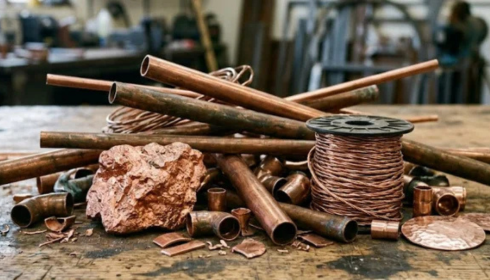
  • Copper Scrap Price Trends in India: What Sellers Need to Know

    Copper Scrap Price Trends in India: What Sellers Need to Know

    India’s copper market is witnessing a strong upward momentum, and for anyone dealing in copper scrap, this is one of the most favourable phases in recent years. Driven by rising industrial demand, electrification, and the rapid expansion of clean energy, the market has clearly shifted into a seller’s advantage zone.

    For individuals, traders, and businesses looking to sell, understanding copper scrap price in India is essential to maximise value and make informed decisions.

    Current Copper Scrap Price Trends (April 2026)

    As of April 2026, the pricing environment for copper scrap remains bullish across major markets in India.

    • High-grade copper (Millberry / No. 1)
      Typically trades between ₹1,000–₹1,200 per kg, with strong demand in cities like Delhi and Mumbai

    • Copper cable and wire scrap
      Continues to command premium rates, often exceeding ₹1,200/kg due to demand from manufacturers

    • Mixed or old copper scrap
      Trades in the range of ₹800–₹980 per kg, depending on purity and contamination levels

    • Insulated copper wire
      Lower value segment, typically ₹150–₹400/kg, due to additional processing requirements

    • Regional variations
      Prices can differ by 2–5% across markets like Mumbai, Delhi, South India, and Jamnagar

    Overall, copper scrap price in India ranges currently between ₹850 to ₹1160 per kg, depending on quality, type, and location.

    What’s Driving Copper Scrap Prices Higher?

    Several structural and cyclical factors are pushing up copper scrap prices in India:

    1. Supply Constraints

    India imports 90–95% of its copper concentrate, making domestic scrap a critical raw material source. This supply gap is one of the biggest reasons why copper scrap buyers are actively competing for quality material.

    2. EV and Renewable Energy Boom

    Electric vehicles use 3–4 times more copper than conventional vehicles. Alongside this, solar and wind energy projects are driving massive demand for copper wiring and components.

    This has significantly increased demand from copper scrap buyers, especially for high-purity material.

    3. Infrastructure and 5G Expansion

    From construction to telecom infrastructure, copper remains a key material. The rollout of 5G networks and rapid urbanisation are further pushing demand upward.

    4. Global Price Linkages

    Domestic copper scrap price in India is closely linked to international benchmarks like:

    • MCX (Multi Commodity Exchange)
    • LME (London Metal Exchange)

    Sustained high global prices are directly influencing local markets.

    How Sellers Can Maximise Value?

    In a strong market like this, small decisions can significantly impact returns. Here’s what sellers should keep in mind:

    👉 Sort and Grade Your Scrap

    Separating high-purity copper scrap (like Millberry) from mixed or insulated scrap can dramatically increase earnings. Clean, uncoated copper fetches the highest rates.

    👉 Track Price Movements

    Copper prices are dynamic and can change daily. Sellers should monitor copper scrap price in India through reliable sources and local market updates before finalising deals.

    👉 Time the Sale Strategically

    While the market remains strong, short-term corrections can occur. Selling high-grade material during peak demand phases can help maximise profits.

    👉 Choose the Right Buyer

    Searching for copper buyers is common, but price alone should not be the deciding factor. Working with trusted and organised copper scrap buyers ensures:

    • Transparent pricing
    • Accurate weight and grading
    • Timely payments

    Market Outlook: 2026–2030

    The outlook for copper scrap in India remains highly positive:

    • The market is expected to grow at a CAGR of ~10% from 2026–2033
    • Demand will continue to outpace supply, maintaining a seller’s market
    • Policy support and sustainability goals will further boost recycling

    As industries increasingly shift towards recycled materials, the importance of copper scrap buyers and organised recyclers will continue to grow.

    What we are seeing today is not just a price spike; it is a structural shift. Copper is becoming central to India’s growth story, and copper scrap is emerging as a key resource in meeting that demand efficiently.

    In this evolving ecosystem, organised players like Jain Resource Recycling are helping strengthen the value chain by integrating sourcing, processing, and refining capabilities at scale. Their presence reflects a broader trend where professional, technology-driven recyclers are shaping a more transparent and efficient market for both sellers and buyers.

    The current phase presents a strong opportunity for anyone dealing in copper scrap. With high demand, favourable pricing, and long-term growth visibility, sellers are well-positioned to benefit from market dynamics.

    However, maximising value requires the right approach, understanding copper scrap prices in India, maintaining quality, and partnering with reliable copper scrap buyers.

    As the market continues to evolve, one thing is clear: copper scrap is no longer just waste, it is a high-value asset driving India’s industrial and sustainable future.

  • Choosing the Right Transformer Supplier for Large-Scale Projects in Australia

    Choosing the Right Transformer Supplier for Large-Scale Projects in Australia

    Australia’s power infrastructure is going through one of its most significant overhauls in decades. Between expanding renewable energy zones, retiring coal-fired plants, and upgrading aging grid assets, the demand for reliable, high-performance transformers has never been more intense. For project managers, procurement teams, and engineers working on large-scale developments, selecting the right transformer suppliers is not just a technical decision – it directly shapes timelines, safety outcomes, and long-term operational costs.

    The Australian transformer market reached USD 1.59 billion in 2025 and is forecast to nearly double by 2034, driven by grid modernisation, renewable energy integration, and electrification across industrial and commercial sectors. Against this backdrop, getting supplier selection right from the start matters enormously.

    Why Is the Australian Market So Challenging for Transformer Procurement Right Now?

    Global supply chain pressures have significantly stretched lead times for large power transformers. For units above 100 MVA, lead times can now run anywhere from 18 months to well beyond two years, and in some cases even longer for highly specialised equipment. This is not unique to Australia — it reflects a worldwide surge in demand fuelled by renewable energy buildouts, data centre expansion, and EV infrastructure rollouts. Australia imports a substantial share of its transformer requirements, which makes supplier relationships and early procurement planning all the more critical.

    This is precisely why more Australian project developers and utilities are looking beyond traditional local suppliers and considering established international manufacturers — particularly those based in India — that can offer both manufacturing scale and technical depth within competitive lead times.

    What Makes a Transformer Supplier Suitable for Large-Scale Australian Projects?

    There are several factors that genuinely separate capable suppliers from the rest when it comes to large infrastructure work.

    Manufacturing capacity and voltage range sit at the top of the list. A supplier needs the ability to produce equipment suited to the specific demands of transmission, industrial, and renewable energy projects — not just off-the-shelf distribution units. For high-voltage transmission work or complex industrial applications, this means working with suppliers who have demonstrated experience across a wide voltage and MVA range, backed by rigorous in-house testing.

    Technical compliance is equally non-negotiable. Australia’s energy sector requires transformers that meet IEC and relevant AS/NZS standards. Any credible international supplier needs a clear track record of testing to these standards, including type testing, routine testing, and where applicable, dynamic short-circuit testing — one of the most stringent performance validations in the industry.

    After-sales support and commissioning capability round out the picture. A transformer delivered on time but without adequate technical support during installation and operation can become a costly liability. Large projects need suppliers who back their equipment with responsive engineering teams and structured service programmes.

    How Does TARIL Stand Out Among International Transformer Suppliers?

    Transformers and Rectifiers (India) Ltd – known as TARIL has built a reputation over more than four decades as one of India’s most capable transformer manufacturers. Founded in 1981 in Ahmedabad, the company has grown steadily from repairing and manufacturing 33 kV to 66 kV class transformers into a globally recognised supplier with over 18,000 installations across the world.

    TARIL’s manufacturing capability covers power transformers up to 1,000 MVA and 1,200 kV class, distribution transformers from 315 kVA upward, furnace transformers up to 120 kA, rectifier transformers up to 160 kA DC, and shunt reactors up to 765 kV. Their facilities in Moraiya and Changodar together span tens of thousands of square metres, with in-house testing infrastructure capable of handling transformers up to the 1,200 kV class — a specification that positions them among a very select group of manufacturers globally.

    In fiscal year 2024–25, TARIL manufactured 29,118 MVA of transformer equipment, representing 80% year-on-year growth, while also increasing its manufacturing capacity significantly through strategic investment. For Australian project developers dealing with tight timelines and the need for volume, that kind of production depth is directly relevant.

    What Types of Special Transformers Does TARIL Manufacture for Complex Projects?

    One area where TARIL particularly differentiates itself is in special transformers – equipment that goes beyond standard distribution or transmission units and is engineered for specific industrial or grid applications.

    Their converter duty transformers are designed for motor drive applications and can be configured with secondary windings ranging from two to forty, depending on the pulse requirements of the drive system. These units include built-in harmonic mitigation and snubber circuits, making them well suited for large variable speed drive installations common in mining, water treatment, and heavy manufacturing — all sectors with major capital projects underway across Australia.

    Furnace transformers represent another area of depth, offering high secondary current output, wide regulation range, and integrated arc-stabilising reactors. TARIL’s rectifier transformers are similarly engineered for demanding DC applications, including electrolysis and metal smelting, with configurable LV terminals and efficient oil-to-water heat exchangers. Earthing transformers in zigzag or interconnected star winding configurations up to 33 kV, as well as testing transformers with multiple tapping configurations, further extend the portfolio for project-specific requirements.

    For Australian projects involving renewable energy connections, TARIL also manufactures green transformers using natural ester fluid, with units up to 400 kV already produced and supplied. This aligns with the growing preference among Australian utilities for lower environmental impact equipment with improved fire safety characteristics.

    How Should Project Teams Approach Supplier Evaluation for Large-Scale Procurement?

    Procurement decisions for large power transformers should never be driven by unit price alone — particularly in the current market environment where supply constraints are real and delivery reliability is arguably the most important variable.

    A structured evaluation approach works best. Technical specification compliance should be assessed first — does the supplier have certified experience in manufacturing and testing the specific equipment type required? This includes reviewing type test certificates, dynamic short-circuit test records, and relevant international standard approvals.

    Delivery confidence deserves close scrutiny. That means understanding the supplier’s current order book, production scheduling practices, and their history of on-time delivery for similar project sizes. Asking for client references from comparable large-scale projects — particularly in comparable markets to Australia — provides meaningful assurance.

    Total cost of ownership, not just the purchase price, should frame the financial evaluation. Transformer efficiency ratings, expected service life, maintenance requirements, and the cost and accessibility of spare parts and technical support all feed into lifecycle economics that dwarf the initial capital outlay on any major project.

    Finally, it is worth engaging shortlisted suppliers early in the project development phase. International suppliers with genuine manufacturing depth, like TARIL, often have the flexibility to accommodate bespoke specifications — but only if engaged with enough lead time. Last-minute procurement of custom equipment from any quality supplier is a risk no large project should take on.

    Frequently Asked Questions

    What voltage classes and capacities should Australian project teams look for when sourcing power transformers internationally?

    For transmission-level projects, you will generally be looking at transformers in the 66 kV to 500 kV range, with MVA ratings from 100 MVA upward depending on the application. Industrial projects often require medium voltage transformers in the 11 kV to 33 kV class with varied MVA ratings. The key is working with a supplier whose in-house type test and routine test capabilities match the specifications required — not just their catalogue listings. TARIL, for example, manufactures and tests power transformers up to 1,000 MVA and 1,200 kV class within their own facilities.

    Are Indian transformer manufacturers like TARIL able to meet Australian and IEC standards?

    Yes. Reputable Indian manufacturers operate to IEC standards as their baseline and have done so for export markets for many years. TARIL holds ISO 9001 quality system certification and designs all units using the latest simulation and measurement tools, with products validated through type, routine, and dynamic short-circuit testing. For Australian projects, it is still advisable to confirm specific standard compliance requirements with the supplier at the outset — particularly for any state-specific grid connection standards or AS/NZS requirements applicable to the project.

    What lead times should we realistically plan for when procuring large power transformers?

    For large power transformers — generally those above 100 MVA — planning for lead times of at least 18 to 24 months from order to delivery is prudent in the current market environment. Some highly specialised units or those requiring specific type tests can take longer. The key is early engagement with your shortlisted supplier. Procurement initiated at the detailed design phase rather than just before construction typically yields better scheduling outcomes and more flexibility for any specification adjustments.

    What are special transformers and when does a large-scale project actually need them?

    Special transformers is a broad category covering equipment engineered for applications that standard power or distribution transformers cannot efficiently handle. Common examples in large-scale Australian projects include converter duty transformers for variable frequency drives used in mining and processing plants, furnace transformers for electric arc furnace operations in steel and metals, rectifier transformers for electrochemical industrial processes, and earthing transformers for power systems without an available neutral. If your project involves heavy industrial loads, variable speed drives, or specialist grid connection requirements, it is worth discussing the specific load profile with your supplier early to determine whether standard or special transformer types are appropriate.

    What should we ask a potential transformer supplier before committing to a procurement decision?

    Beyond pricing and delivery, it is worth asking for references from comparable projects, type test certificates for the relevant voltage and rating class, details of any dynamic short-circuit tests completed, current manufacturing capacity and order backlog, their technical support model for commissioning and post-installation issues, and their experience supplying into markets with similar regulatory environments to Australia. A supplier who is genuinely capable and experienced will be comfortable answering all of these questions in detail.

  • A Glass of Water That Finally Feels Right

    A Glass of Water That Finally Feels Right

    It’s strange how something as basic as water can quietly slip into the background of our lives. You wake up, turn the tap, fill a glass, move on. No drama, no thought. Until one day, you take a sip and pause.

    Not because it’s bad—just… not quite right.

    Maybe it tastes a bit flat. Or there’s a faint smell you can’t ignore anymore. It’s subtle, easy to dismiss. But once you notice it, it sticks with you.

    When “Good Enough” Stops Feeling Enough

    Most of us grow up believing that if water is clear, it’s fine. Safe enough. And in many cases, that’s true. But “safe” and “ideal” aren’t always the same thing.

    Water can carry traces of minerals, chlorine, and other elements that don’t necessarily harm you but do affect how it tastes and feels. Over time, those little differences start to matter more than you expect.

    You might drink less water without realizing it. Or start relying on bottled alternatives just to avoid the taste. It’s not a crisis—but it’s not ideal either.

    The Quiet Shift Toward Better Drinking Water

    At some point, curiosity takes over. You start wondering if there’s a way to make your water feel better, not just acceptable.

    That’s where reverse osmosis systems often come into the picture. They sound technical, maybe even a bit intimidating at first, but the idea is simple—filter water at a deeper level, removing unwanted particles and improving overall clarity.

    The result isn’t flashy. It’s just water that feels… clean. Neutral. The way you expect it to be.

    And once you experience that difference, it’s hard to ignore.

    It’s Not Just About Taste

    While taste is usually the first thing people notice, it’s not the only benefit. When your water improves, it affects your daily routine in quiet ways.

    You drink more. You cook with more confidence. Even something as simple as making tea or coffee becomes more enjoyable. It’s not about luxury—it’s about consistency.

    That’s why many households explore different drinking water systems. Not because they need something complicated, but because they want something reliable. Something that works without constant second-guessing.

    The Emotional Side of Better Water

    This might sound a bit unexpected, but water has an emotional impact too. When your water feels right, it creates a sense of ease. You stop thinking about it. You trust it again.

    And that trust matters.

    Because when something as basic as water feels uncertain, it subtly affects how you interact with your home. Fixing that doesn’t just improve water—it improves your overall comfort.

    Choosing What Actually Fits Your Life

    One of the biggest mistakes people make is assuming there’s a single “best” solution. But water isn’t one-size-fits-all. What works perfectly in one home might not make sense in another.

    Start with what you notice. Is it the taste? The smell? The way your water behaves when you cook or clean? These clues are enough to guide you toward a solution that fits your needs.

    Sometimes it’s a simple filter. Other times, a more advanced system makes sense. The key is not to overcomplicate it.

    The Goal Isn’t Perfection—It’s Balance

    There’s a tendency to chase the idea of perfect water. Crystal clear, completely pure, flawless in every way. But in reality, what most people want is something much simpler.

    They want clean drinking water that feels natural, tastes good, and fits seamlessly into their daily life. Not something they have to think about constantly. Just something that works.

    And that’s a very achievable goal.

    A Thought That Stays With You

    Water is one of those essentials we rarely question until it nudges us to pay attention. And when it does, it opens the door to better habits, better choices, and a more comfortable home.

    You don’t need to rush into decisions or invest in the most advanced system right away. Just start noticing. Trust what you’re experiencing.

    Because sometimes, the smallest improvements—like better water—end up making the biggest difference in how your everyday life feels.

    And it all begins with a single glass that finally tastes the way it should.