India’s copper market is witnessing a strong upward momentum, and for anyone dealing in copper scrap, this is one of the most favourable phases in recent years. Driven by rising industrial demand, electrification, and the rapid expansion of clean energy, the market has clearly shifted into a seller’s advantage zone.
For individuals, traders, and businesses looking to sell, understanding copper scrap price in India is essential to maximise value and make informed decisions.
Current Copper Scrap Price Trends (April 2026)
As of April 2026, the pricing environment for copper scrap remains bullish across major markets in India.
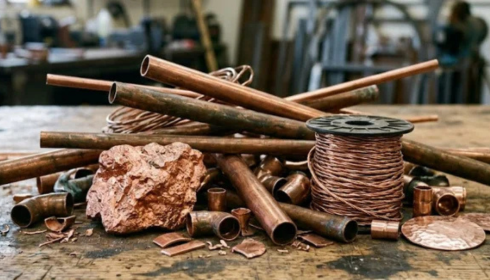
- High-grade copper (Millberry / No. 1)
Typically trades between ₹1,000–₹1,200 per kg, with strong demand in cities like Delhi and Mumbai - Copper cable and wire scrap
Continues to command premium rates, often exceeding ₹1,200/kg due to demand from manufacturers - Mixed or old copper scrap
Trades in the range of ₹800–₹980 per kg, depending on purity and contamination levels - Insulated copper wire
Lower value segment, typically ₹150–₹400/kg, due to additional processing requirements - Regional variations
Prices can differ by 2–5% across markets like Mumbai, Delhi, South India, and Jamnagar
Overall, copper scrap price in India ranges currently between ₹850 to ₹1160 per kg, depending on quality, type, and location.
What’s Driving Copper Scrap Prices Higher?
Several structural and cyclical factors are pushing up copper scrap prices in India:
1. Supply Constraints
India imports 90–95% of its copper concentrate, making domestic scrap a critical raw material source. This supply gap is one of the biggest reasons why copper scrap buyers are actively competing for quality material.
2. EV and Renewable Energy Boom
Electric vehicles use 3–4 times more copper than conventional vehicles. Alongside this, solar and wind energy projects are driving massive demand for copper wiring and components.
This has significantly increased demand from copper scrap buyers, especially for high-purity material.
3. Infrastructure and 5G Expansion
From construction to telecom infrastructure, copper remains a key material. The rollout of 5G networks and rapid urbanisation are further pushing demand upward.
4. Global Price Linkages
Domestic copper scrap price in India is closely linked to international benchmarks like:
- MCX (Multi Commodity Exchange)
- LME (London Metal Exchange)
Sustained high global prices are directly influencing local markets.
How Sellers Can Maximise Value?
In a strong market like this, small decisions can significantly impact returns. Here’s what sellers should keep in mind:
👉 Sort and Grade Your Scrap
Separating high-purity copper scrap (like Millberry) from mixed or insulated scrap can dramatically increase earnings. Clean, uncoated copper fetches the highest rates.
👉 Track Price Movements
Copper prices are dynamic and can change daily. Sellers should monitor copper scrap price in India through reliable sources and local market updates before finalising deals.
👉 Time the Sale Strategically
While the market remains strong, short-term corrections can occur. Selling high-grade material during peak demand phases can help maximise profits.
👉 Choose the Right Buyer
Searching for copper buyers is common, but price alone should not be the deciding factor. Working with trusted and organised copper scrap buyers ensures:
- Transparent pricing
- Accurate weight and grading
- Timely payments
Market Outlook: 2026–2030
The outlook for copper scrap in India remains highly positive:
- The market is expected to grow at a CAGR of ~10% from 2026–2033
- Demand will continue to outpace supply, maintaining a seller’s market
- Policy support and sustainability goals will further boost recycling
As industries increasingly shift towards recycled materials, the importance of copper scrap buyers and organised recyclers will continue to grow.
What we are seeing today is not just a price spike; it is a structural shift. Copper is becoming central to India’s growth story, and copper scrap is emerging as a key resource in meeting that demand efficiently.
In this evolving ecosystem, organised players like Jain Resource Recycling are helping strengthen the value chain by integrating sourcing, processing, and refining capabilities at scale. Their presence reflects a broader trend where professional, technology-driven recyclers are shaping a more transparent and efficient market for both sellers and buyers.
The current phase presents a strong opportunity for anyone dealing in copper scrap. With high demand, favourable pricing, and long-term growth visibility, sellers are well-positioned to benefit from market dynamics.
However, maximising value requires the right approach, understanding copper scrap prices in India, maintaining quality, and partnering with reliable copper scrap buyers.
As the market continues to evolve, one thing is clear: copper scrap is no longer just waste, it is a high-value asset driving India’s industrial and sustainable future.