Blog

  • Why Your Dishes Never Look Quite Clean (Even When They Are)

    Why Your Dishes Never Look Quite Clean (Even When They Are)

    There’s a small, oddly annoying moment most of us have had—pulling a “clean” glass out of the cabinet, holding it up to the light, and noticing those faint cloudy marks. You wipe it with a cloth, maybe even rinse it again, but the haze doesn’t quite go away.

    It’s not dirt. It’s not your detergent either, at least not entirely.

    It’s something quieter, something happening in the background every single day: your water.


    When Clean Doesn’t Feel Clean

    You run the dishwasher. You use a decent detergent. Maybe even a rinse aid. Everything should come out spotless, right?

    But instead, you’re left with spots stains dishes that make you second-guess whether they’re actually clean. It’s frustrating in a very specific way—because you did everything right.

    What’s happening here is often linked to minerals in the water. Hard water carries calcium and magnesium, and when the water evaporates during drying, those minerals stay behind. They settle on surfaces, leaving that familiar cloudy residue.

    It’s subtle, but persistent.


    The Story Behind Those Cloudy Glasses

    Glassware tends to show the problem more clearly than anything else.

    A plate might hide it. A steel utensil might shrug it off. But a glass? It puts everything on display.

    That’s why spots stains glass become one of the most noticeable signs of mineral-heavy water. You’ll see streaks, white marks, or a dull film that refuses to disappear no matter how many times you wash it.

    At some point, people start blaming the dishwasher. Or the brand of detergent. Or even their own habits.

    But more often than not, the real culprit is simply the water leaving behind what it carried in.


    It’s Not Just About Looks

    At first glance, this might seem like a purely cosmetic issue. After all, the dishes are technically clean.

    But over time, the impact goes a bit deeper.

    Mineral buildup can affect how your dishwasher performs. It can clog tiny spray nozzles, reduce efficiency, and even shorten the lifespan of the appliance. The same goes for kettles, coffee makers, and anything else that regularly deals with heated water.

    And then there’s the daily annoyance—the extra rinsing, the constant wiping, the small sense that things aren’t quite as they should be.


    The Surfaces That Show Everything

    Some areas in your home highlight water issues more than others.

    Mirrors, shower doors, and other glass surfaces tend to reveal every little imperfection. Water droplets dry into visible spots, leaving behind a pattern that’s hard to ignore.

    You clean them, they look great for a while, and then the spots return. It becomes a cycle—clean, wait, clean again.

    It’s not about cleaning harder. It’s about understanding what keeps coming back.


    Why It Keeps Happening

    The tricky part is that water doesn’t change overnight. If your supply contains minerals, it’s a constant factor.

    Every wash cycle, every rinse, every drop that dries—it all contributes to the buildup.

    You can reduce it with better detergents or rinse aids, and those do help. They soften the effect, make it less noticeable. But they don’t remove the root cause.

    So the cycle continues.


    Small Adjustments That Actually Help

    The good news? You don’t have to live with it entirely.

    There are small, practical steps that can make a difference. Using a rinse aid in your dishwasher, for instance, helps water slide off surfaces more easily, reducing the chances of residue being left behind.

    Occasional deep cleaning—running an empty dishwasher cycle with vinegar—can break down existing buildup and improve performance.

    Even something as simple as drying your dishes with a microfiber cloth right after washing can prevent spots from settling.

    These aren’t permanent fixes, but they ease the everyday frustration.


    Looking at the Bigger Picture

    For some households, though, these small fixes aren’t enough.

    That’s when the focus shifts from managing the symptoms to addressing the source. Water softening systems, for example, reduce the mineral content in your water, making it less likely to leave behind residue.

    It’s a bigger step, sure. But it changes the experience across the entire home—not just in the kitchen, but in bathrooms, laundry, and even personal care routines.


    When Things Finally Feel Right

    There’s a noticeable difference when the issue is under control.

    Glasses come out clear without extra effort. Dishes feel genuinely clean. Surfaces stay spotless a little longer. It’s not a dramatic transformation, but it’s enough to make daily tasks feel smoother, less frustrating.

    And perhaps most importantly, it removes that small, nagging doubt every time you pick up a glass or look at a freshly cleaned surface.


    Letting Clean Be Simple Again

    At the end of the day, clean should feel simple.

    You shouldn’t have to inspect every dish under the light or rewash things that were already washed. When water works the way it should, those extra steps disappear.

    And you go back to something we all prefer—trusting that when something looks clean, it really is.

    Sometimes, that’s all it takes to make a home feel just a bit more comfortable.

  • The Air in Your Home Might Be Telling You More Than You Think

    The Air in Your Home Might Be Telling You More Than You Think

    There’s a certain feeling you get when you walk into a room that just feels… fresh. It’s hard to explain. No obvious scent, no dramatic difference—just a quiet sense of ease. And then there are those other days. The air feels a bit heavy, maybe slightly stale, like something’s lingering that shouldn’t be.

    Most of us don’t think much about the air inside our homes. We notice temperature, sure. Maybe humidity. But air quality? That usually flies under the radar—until it doesn’t.

    The Invisible Part of Your Everyday Life

    Air is funny like that. You can’t see it, you can’t hold it, and yet it shapes how you feel in a space. Headaches, fatigue, allergies, even just that low-level discomfort you can’t quite name—it can all tie back to the air around you.

    And unlike outdoor pollution, which gets plenty of attention, indoor air often feels like a non-issue. After all, it’s your home. It should be safe, right?

    But indoor air can carry dust, allergens, pet dander, and even microscopic particles from cleaning products or cooking. It’s not about panic—it’s about awareness.

    When You Start Noticing the Difference

    Sometimes the realization comes slowly. You wake up feeling a bit congested more often than usual. Or you notice that certain rooms feel stuffier than others. Maybe your sleep isn’t as restful, and you can’t quite figure out why.

    That’s often when people begin thinking about ways to purify the air inside their homes. Not because something is obviously wrong, but because something feels slightly off.

    It’s a subtle shift—from ignoring the air to becoming curious about it.

    More Than Just Opening a Window

    Opening windows helps, of course. Fresh air can do wonders, especially in the early morning or late evening. But depending on where you live, outdoor air isn’t always as clean as we’d like it to be.

    That’s where an air purification system can make a meaningful difference. These systems are designed to filter out particles you can’t see—dust, pollen, even certain pollutants—helping create a more balanced indoor environment.

    And the interesting part? You don’t always notice the change immediately. It’s not like flipping a switch. But over time, the air feels lighter. Easier to breathe.

    Almost like your home is exhaling.

    The Comfort You Didn’t Know You Were Missing

    There’s something deeply comforting about good air. It’s not flashy or dramatic, but it affects everything—your sleep, your focus, even your mood.

    When the air improves, you might notice fewer allergy symptoms. Less dust settling on surfaces. A general sense that your space feels… cleaner, even if nothing else has changed.

    That’s the quiet impact of clean air. It doesn’t demand attention. It simply supports your daily life in the background, making everything feel a little more natural.

    Why We Often Overlook It

    Part of the reason indoor air quality gets ignored is that it doesn’t have obvious, immediate consequences. It’s not like a broken appliance or a leaking pipe. It’s gradual, almost invisible.

    So we adapt. We get used to it. Maybe we dust more often or rely on air fresheners to mask odors. But those are temporary fixes, not real solutions.

    Once you start paying attention, though, it becomes clear that air deserves the same consideration as water or food. It’s something you interact with constantly, even if you don’t realize it.

    Finding What Works for Your Space

    Improving indoor air doesn’t have to be complicated. Sometimes it starts with simple steps—keeping windows open when possible, reducing clutter that collects dust, or choosing cleaning products more carefully.

    For others, it might mean investing in a system that continuously filters the air, especially in homes with pets, allergies, or limited ventilation.

    There’s no perfect setup. Just options that align with your lifestyle and environment.

    A Subtle Shift That Changes Everything

    Looking back, it’s easy to underestimate how much air quality shapes your home experience. It’s not something you think about—until you feel the difference.

    And when you do, it’s not dramatic. It’s quieter than that. A better night’s sleep. A clearer head in the morning. A space that feels more comfortable without you needing to adjust anything.

    That’s the thing about air. When it’s right, it disappears into the background, doing its job without asking for attention.

    And maybe that’s the goal—not to notice it, but to feel the difference it makes.

  • The Quiet Threat in Your Tap: Understanding Arsenic and the Water We Trust

    The Quiet Threat in Your Tap: Understanding Arsenic and the Water We Trust

    There’s something deeply reassuring about turning on the tap and filling a glass of water. It’s routine, almost unconscious. But every now and then, you come across a piece of information that makes you pause mid-sip. For many households around the world, that moment arrives when they first hear about arsenic in drinking water. It’s unsettling, sure—but also worth understanding properly, without panic.

    What Exactly Is Arsenic Doing in Our Water?

    Arsenic isn’t some modern industrial accident—it’s actually a naturally occurring element. It exists in rocks, soil, and groundwater. In certain regions, especially where groundwater is the primary source of drinking water, arsenic can seep into wells and aquifers over time. It doesn’t change the color or taste of water, which makes it particularly tricky. You wouldn’t know it’s there unless you tested for it.

    The phrase arsenic in water might sound alarming—and it should raise concern—but it doesn’t always mean immediate danger. The real issue lies in long-term exposure. Over years, even small amounts can accumulate in the body, leading to serious health problems like skin conditions, cardiovascular issues, and even certain cancers. It’s not about fear—it’s about awareness.

    The Subtle Nature of Water Contamination

    Water has this way of appearing pure, even when it’s not. That’s part of the problem. Unlike visible pollutants, arsenic blends in quietly. And it’s not alone. Many households unknowingly deal with various forms of water contamination, from heavy metals to agricultural runoff.

    In rural areas, private wells are often the main water source, and these are rarely regulated the same way municipal supplies are. That means the responsibility of testing and treatment falls entirely on the homeowner. And honestly, most people don’t think about it until there’s a reason to.

    Even in urban settings, aging infrastructure or environmental factors can sometimes introduce contaminants. It’s not common everywhere, but it’s common enough to matter.

    Testing: The First Real Step

    If there’s one thing that makes a real difference, it’s testing. Not guessing, not assuming—testing. Water testing kits are widely available now, and professional lab testing is even more reliable. It’s a small step that gives you clarity.

    What’s interesting is how often people delay this. Maybe it feels unnecessary, or maybe it’s just one of those “I’ll get to it later” tasks. But when it comes to something as essential as drinking water, it’s worth moving that task up the list.

    Making Sense of Filtration Options

    Once arsenic is detected, the next question is obvious: what now?

    This is where arsenic water filtration systems come into play. Not all filters are created equal, and that’s something people often overlook. A standard carbon filter—the kind you might find in a basic water purifier—won’t effectively remove arsenic. You need more advanced solutions like reverse osmosis systems, ion exchange units, or specialized adsorption filters designed specifically for this purpose.

    Choosing the right system depends on the level of contamination, household needs, and budget. It’s not always a one-size-fits-all situation. Some families go for whole-house systems, while others focus on point-of-use filters for drinking and cooking water.

    And yes, it can feel a bit overwhelming at first. But once you break it down, it’s manageable. A bit like choosing the right appliance—you research, compare, and then commit.

    Living With Awareness, Not Anxiety

    Here’s the thing—learning about contaminants like arsenic can make you uneasy, but it doesn’t have to turn into constant worry. The goal isn’t to second-guess every glass of water. It’s to understand the risks and take practical steps to reduce them.

    In many ways, this is just part of modern living. We lock our doors, we check our food labels, we service our vehicles. Taking care of water quality fits into that same mindset. It’s about being informed and making choices that support long-term well-being.

    Small Changes, Real Impact

    Sometimes, the most meaningful changes are the quiet ones. Installing a proper filtration system, scheduling periodic water tests, or even just learning more about your local water source—these aren’t dramatic actions, but they matter.

    And once you’ve taken those steps, there’s a certain peace of mind that follows. You go back to your daily routine, filling that glass of water, but with a bit more confidence this time.

    A Thought to Carry Forward

    Clean water isn’t something we should have to think about constantly—but maybe we should think about it just enough. Not out of fear, but out of respect for how essential it is.

    Because at the end of the day, it’s not just water. It’s something we rely on, every single day, without even noticing. And taking a moment to ensure it’s safe? That’s time well spent.

  • When Your Water Stops Feeling Right: A Real-World Look at Fixing What Flows Through Your Home

    When Your Water Stops Feeling Right: A Real-World Look at Fixing What Flows Through Your Home

    There’s a strange kind of silence when something goes wrong with your water. Not loud, not dramatic—just… off. You turn the tap, and it takes a second longer than usual. Or the pressure feels weaker. Maybe the taste isn’t what it used to be.

    At first, you shrug it off. These things happen, right?

    But then it lingers. And slowly, that small inconvenience becomes something you can’t ignore anymore.


    The First Signs You Shouldn’t Overlook

    Water systems rarely fail overnight. They give hints.

    A drop in pressure.
    A change in taste.
    A faint odor that wasn’t there before.

    These aren’t emergencies, but they’re signals. Your system is trying to tell you something. And the sooner you pay attention, the easier it is to deal with.

    Ignoring these signs doesn’t make them disappear—it just gives them time to grow into something bigger.


    When Fixing Becomes Necessary

    At some point, curiosity turns into action. You start looking for answers, trying to figure out what’s changed.

    That’s where water treatment repair becomes part of the conversation. Not because everything has broken down completely, but because something isn’t performing the way it should.

    Repairs can be simple. A worn-out filter, a valve that needs adjustment, a component that’s reached the end of its lifespan. Small fixes, when caught early, can restore your system without much disruption.

    And often, they’re easier than you expect.


    It’s Not Just About Repairs

    There’s a difference between fixing a problem and maintaining a system.

    Repairs address what’s already gone wrong. Maintenance prevents those issues from happening in the first place.

    That’s where service and repair go hand in hand. Regular check-ups, minor adjustments, and timely replacements keep everything running smoothly. It’s not about constant attention—it’s about staying a step ahead.

    Think of it like a car. You don’t wait for it to break down completely before you take care of it. Water systems work the same way.


    Understanding What’s Behind the Scenes

    Most people don’t think about their water setup until something changes. But behind every tap is a system working quietly to deliver what you need.

    That’s the role of water treatment systems. They filter, balance, and manage water quality so you don’t have to think about it every day.

    When they’re working properly, they’re invisible. You don’t notice them. You just use water the way you always have.

    But when something shifts, they become impossible to ignore.


    The Balance Between Quick Fixes and Long-Term Solutions

    Not every issue requires a full overhaul. Sometimes, a quick fix is all you need.

    But other times, repeated problems point to something deeper. A system that’s aging. Components that aren’t keeping up with your needs.

    That’s when it’s worth stepping back and looking at the bigger picture. Is your system still the right fit for your home? Are there upgrades that could prevent future issues?

    It’s not about replacing everything—it’s about making thoughtful decisions.


    The Comfort of Consistency

    There’s something underrated about water that just works. You turn the tap, and everything feels normal. No hesitation, no second-guessing.

    That consistency is what you’re really aiming for.

    It’s not about perfection. It’s about reliability. Knowing that your system is doing its job without requiring constant attention.

    And once you have that, you stop thinking about it again—which, ironically, is the goal.


    Small Habits That Make a Difference

    Keeping your water system in good shape doesn’t have to be complicated.

    Listen for changes in how it operates.
    Replace filters when needed.
    Pay attention to small shifts in performance.

    These habits don’t take much time, but they help you catch issues early. And early fixes are almost always easier—and less expensive—than waiting.


    A Subtle Shift in Awareness

    What’s interesting about dealing with water issues is how it changes your perspective.

    You start noticing things you didn’t before. The way water tastes, feels, behaves. You become more aware of the system behind it.

    It’s not about becoming overly focused. It’s about understanding enough to stay in control.

    And once that awareness is there, it tends to stay with you.


    Final Thoughts

    Water is one of those essentials that fades into the background when everything is working well. You don’t think about it—you just use it.

    But when something changes, even slightly, it reminds you how much you rely on it.

    Taking care of your water system isn’t about constant maintenance or complex solutions. It’s about paying attention, making small adjustments, and addressing issues before they grow.

    Because in the end, the goal isn’t to think about your water more.

    It’s to get back to not thinking about it at all.

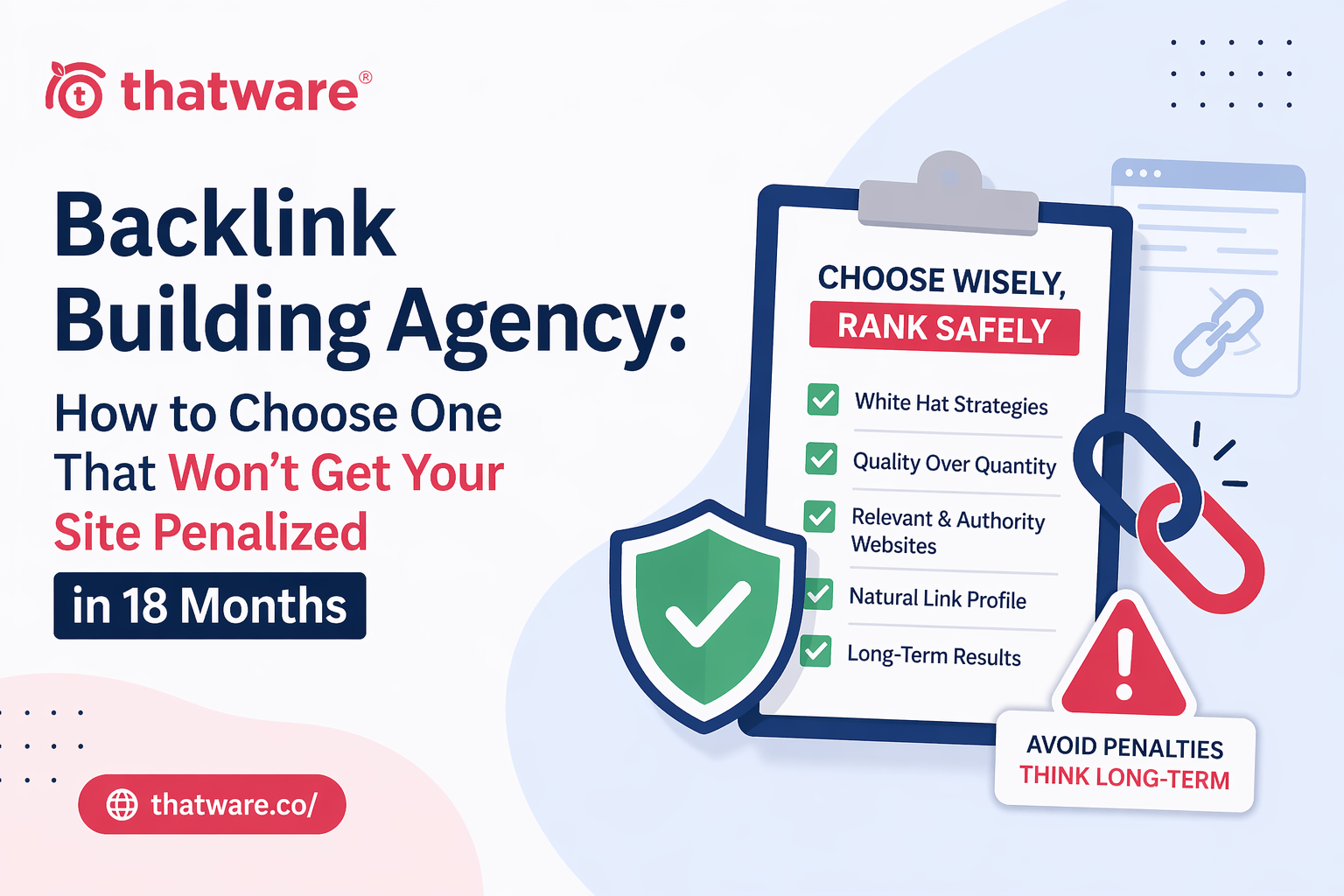
  • Backlink Building Agency: How to Choose One That Won’t Get Your Site Penalized in 18 Months

    Backlink Building Agency: How to Choose One That Won’t Get Your Site Penalized in 18 Months

    The link building industry has a complicated reputation, and that reputation is mostly earned. There are genuinely excellent agencies out there doing careful, sustainable work. And then there are outfits that will sell you 500 “high DA” links in 30 days for $800, all sourced from a private blog network that looks legitimate until Google updates its spam detection and your rankings crater.

    The difficult thing is that both types of agency will tell you they do high-quality link building. Both will show you DA metrics and anchor text reports. The difference is in what’s actually behind those metrics – and most clients don’t know how to look.

    This is worth understanding in detail, because the consequences of choosing badly are severe and slow to appear. Problematic link profiles don’t trigger penalties immediately. They build up quietly, and the reckoning often comes 12-24 months later when an algorithm update decides it’s time to reassess. By then, the agency that built those links has long since moved on to their next client.

    What “High Quality” Links Actually Means

    Let’s be specific about this, because the term gets misused badly.

    A high-quality backlink comes from a real website with a real audience, published as genuinely relevant content within the context of that site’s editorial focus. The page it appears on should make sense – not a generic “resources” page or an author bio stuffed with unrelated links, but an article or page where the link is actually serving a reader who might follow it because it’s useful.

    The site should have organic traffic you can verify – not just a high Domain Authority number. DA is a third-party metric that’s become increasingly easy to manipulate. Traffic from tools like Ahrefs or Semrush is harder to fake and more meaningful.

    The link should have been placed editorially, meaning someone at that publication decided the link added value for their readers – not because they were paid to include it. Guest posts can be legitimate, but the content needs to be genuinely good and genuinely relevant to the publication, not filler written to justify a link placement.

    That’s what high-quality link building looks like. It’s inherently slower and more expensive than alternatives because it requires real relationships, real content, and real editorial judgment.

    The Warning Signs in Agency Pitches

    When evaluating link building agencies, certain pitch characteristics should raise flags.

    Guaranteed placements in a fixed timeframe. Real editorial link placement doesn’t work on guaranteed timelines. If an agency promises 20 links per month, every month, they’re not doing genuine editorial outreach – they’re operating a network they control or paying for placements on sites willing to accept payment.

    Pricing that doesn’t add up. Real outreach involves significant labor: identifying relevant publishers, building relationships, creating compelling pitches, writing quality content. If an agency is offering meaningful link building at prices where this labor can’t realistically be funded, they’re cutting it somewhere. Usually they’re sourcing links from lower-quality sites, paying for placements on sites that nominally look editorial but accept cash, or running a PBN.

    Emphasis on domain metrics without traffic verification. DA, DR, TF – these are useful heuristics, not guarantees of quality. An agency that leads with metrics but can’t show you the traffic profiles of their target placements is hiding the ball.

    Unwillingness to share target sites in advance. A legitimate backlink building agency should be willing to show you the kinds of sites where they’d be pursuing placements for your brand. If the answer is vague or “we’ll let you see them once they’re live,” that’s a problem.

    What a Good Link Building Engagement Looks Like

    A legitimate agency will start with a thorough analysis of your existing link profile and competitive landscape. What do your competitors’ link profiles look like? What types of publications link to them? What content has earned links in your space? This analysis shapes the strategy.

    They’ll then discuss specific approaches suited to your industry. Digital PR – creating genuinely newsworthy content or stories that earn press coverage and links – works well for consumer brands and companies with interesting data or research. Expert positioning – placing your team members as expert sources for journalists and publications – builds authority links over time. Niche editorial outreach – building relationships with specific industry publications to place genuinely useful guest content – suits B2B brands well.

    Each of these approaches has a realistic pace. Good digital PR might earn 3-8 genuinely excellent links per campaign. Expert positioning is a 6-12 month relationship-building exercise before it starts producing results consistently. Niche editorial outreach produces a steady but modest stream of quality placements over time.

    Link building services done well are measured in quality over quantity – and the agencies doing it right are usually refreshingly honest about what realistic timelines and volumes look like.

    Auditing and Protecting Your Existing Link Profile

    If you’ve inherited a site that’s had previous link building done – especially if you don’t know much about the methodology used – a link audit is worth doing before adding to the profile.

    A link audit identifies potentially toxic links: links from clearly spammy sites, link networks, low-quality directories, sites with thin or irrelevant content, or patterns that look manipulative (like hundreds of footer links or sitewide links from unrelated domains). These links can be addressed through Google’s disavow tool – essentially telling Google to ignore them when assessing your site.

    This isn’t something to do carelessly. Over-aggressive disavowing can disavow legitimate links and harm rankings. But cleaning up a problematic legacy profile is often a prerequisite before new link building investment can fully deliver returns.

    The best time to think about this is before you’ve signed with a new agency. Knowing what you’re starting from shapes what strategy makes sense and what realistic timelines look like. Skipping this step and just adding to an existing profile – whatever state it’s in – is how brands end up building on a compromised foundation.

    The Long View

    Link building done correctly is an investment in compounding authority. Every legitimate, high-quality link you acquire makes your domain more credible in Google’s eyes – and that credibility, unlike a lot of SEO variables, doesn’t disappear when the next update rolls through.

    The patience required is real. An 18-month program of genuine editorial link building might produce fewer total links than a cheap bulk service produces in a month. But those links will still be working for you five years from now. The bulk links will likely be dead weight or a liability within a fraction of that time. That asymmetry is worth taking seriously when you’re deciding what to invest in.

  • Why Major Developments Depend on Project Management Company in Dubai

    Why Major Developments Depend on Project Management Company in Dubai

    A reliable project management company in dubai is the backbone of every successful large-scale development, especially in a fast-moving construction environment like Dubai. While architectural design, engineering, and materials often get the spotlight, the real success of major projects depends on how well everything is coordinated behind the scenes. Without structured oversight, even the most ambitious developments can face delays, cost overruns, and quality issues. RGCC Building Contracting L.L.C. plays a critical role in ensuring that complex projects are executed with precision, clarity, and control across commercial, industrial, and infrastructure sectors in the UAE.

    Dubai’s construction industry is built on speed, innovation, and scale. From high-rise commercial towers to industrial warehouses and mixed-use developments, every project involves multiple stakeholders, strict regulatory requirements, and tight deadlines. Managing these elements effectively requires expertise, systems, and discipline. That is why structured project oversight has become essential for delivering consistent results in today’s competitive construction landscape.

    Why Large Developments Cannot Function Without Structured Management

    Major construction projects are highly complex ecosystems involving architects, engineers, contractors, suppliers, consultants, and government authorities. Each of these components must work in harmony for the project to succeed. Without coordination, even minor disruptions can escalate into major delays or financial losses.

    This is where a strong management framework becomes essential. RGCC Building Contracting L.L.C. ensures that every phase of development is carefully structured, monitored, and executed according to a clear plan. From initial concept planning to final handover, the company provides oversight that aligns all teams toward shared objectives.

    By maintaining strict control over workflows, resources, and timelines, RGCC reduces inefficiencies and ensures that projects remain on track. This structured approach is especially important in Dubai, where project deadlines are often linked to investor commitments and regulatory approvals.

    Strategic Planning as the Foundation of Success

    Every successful development begins with detailed strategic planning. This stage determines how a project will progress, what resources will be required, and how risks will be managed. Without proper planning, projects can quickly lose direction and efficiency.

    Through expert project management, RGCC Building Contracting L.L.C. develops clear execution strategies tailored to each project’s scope and complexity. These strategies include feasibility analysis, budgeting, scheduling, procurement planning, and regulatory coordination.

    One of the key advantages of structured planning is risk reduction. Potential challenges such as material shortages, design changes, or site constraints are identified early and addressed before they impact progress. This proactive approach ensures smoother execution and fewer disruptions throughout the construction process.

    Coordination That Keeps Complex Projects on Track

    Large developments require continuous coordination between multiple teams working simultaneously. Without effective communication, misunderstandings can lead to delays, rework, and increased costs.

    RGCC Building Contracting L.L.C. ensures seamless coordination by establishing clear communication channels across all project stakeholders. Engineers, architects, subcontractors, and consultants are kept aligned through regular updates, structured reporting systems, and on-site coordination meetings.

    This level of organization ensures that everyone involved in the project is working toward the same goals. It also improves efficiency by reducing confusion and ensuring that tasks are completed in the correct sequence.

    A coordinated system also allows for faster decision-making. When issues arise, they can be addressed immediately without disrupting the overall project timeline.

    Managing Time, Cost, and Quality Simultaneously

    One of the biggest challenges in construction is balancing time, cost, and quality. Focusing too much on one area can negatively impact the others. This is why structured oversight is essential for maintaining equilibrium across all three.

    RGCC Building Contracting L.L.C. implements strict monitoring systems that track progress, budget usage, and quality standards throughout the project lifecycle. Regular inspections, milestone reviews, and performance assessments ensure that every aspect of construction meets required standards.

    Time management is especially critical in Dubai’s fast-paced development environment. Delays can have significant financial implications, making it essential to maintain accurate scheduling and proactive planning.

    Handling Regulatory and Operational Complexity

    Major developments in Dubai must comply with a wide range of regulations, approvals, and industry standards. Navigating these requirements can be challenging without experienced oversight.

    RGCC Building Contracting L.L.C. manages all regulatory processes, including permits, approvals, and coordination with authorities such as Dubai Municipality and other governing bodies. This ensures that projects remain compliant and avoid unnecessary delays caused by administrative issues.

    The company also manages procurement, contractor coordination, and site logistics, ensuring that all operational aspects of construction are handled efficiently and professionally.

    Delivering Predictable and Reliable Outcomes

    One of the main reasons major developments rely on structured oversight is the need for predictability. Investors and developers require confidence that projects will be completed on time, within budget, and according to specifications.

    RGCC Building Contracting L.L.C. provides this reliability through disciplined execution and transparent reporting. Clients are kept informed at every stage, allowing them to track progress and make informed decisions.

    This level of transparency builds trust and ensures long-term relationships with developers, investors, and business partners across the UAE.

    Building Confidence in Large-Scale Construction

    Ultimately, successful developments depend on strong leadership, structured processes, and continuous oversight. Without these elements, even well-designed projects can struggle to achieve their intended outcomes.

    RGCC Building Contracting L.L.C. continues to play a vital role in shaping Dubai’s construction landscape by delivering well-managed, high-quality developments across multiple sectors. Its structured approach ensures that complexity is controlled, risks are minimized, and results are consistently achieved.

    As Dubai continues to expand and evolve, the demand for reliable execution will only grow. Businesses and investors need partners who can manage complexity with precision and accountability. That is why structured oversight remains essential among leading construction contractors in dubai, ensuring that every major development achieves long-term success across the UAE.

  • Flag State Control Inspection: Key Requirements for Ship Owners and Operators

    Flag State Control Inspection: Key Requirements for Ship Owners and Operators

    If you run a vessel, inspections are part of the job. Some go smoothly. Others don’t. A lot depends on how prepared the vessel is before the inspector steps on board.

    One of the most important checks is the flag state control inspection. It is carried out by the country where the ship is registered. The goal is simple. Make sure the vessel follows safety rules, crew standards, and operational guidelines.

    What Does Flag State Control Inspection Cover?

    A flag state control inspection looks at how well a vessel follows international safety and operational rules. It is not limited to paperwork. Inspectors review both documentation and physical conditions on board.

    Common areas checked include:

    • Vessel safety equipment and emergency systems
    • Crew certifications and training records
    • Structural condition of the ship
    • Compliance with environmental regulations
    • Maintenance logs and operational procedures

    These checks are closely linked to seaworthy inspections, which confirm if the vessel is fit to sail.

    How Operators Prepare in Advance?

    Most operators don’t wait for the inspection day. They review things earlier. Many work with marine survey companies to identify issues before they become problems.

    There is also some overlap with ship vetting inspection processes. If a vessel is already meeting those standards, it is usually in a better position during official checks.

    Still, small gaps do show up sometimes. Missing records. Expired certificates. Things that seem minor but can cause delays.

    Legal and Operational Support

    Compliance is not just technical. It also involves legal understanding. Rules can vary depending on where the vessel operates. That is why some operators stay in touch with maritime law firms in India to stay updated.

    It helps avoid confusion later.

    Why Preparation Makes a Difference?

    A failed inspection can slow everything down. A smooth one keeps operations moving. Most issues that show up during a flag state control inspection are not sudden. They usually build up over time: missed checks, outdated records and small maintenance gaps. That’s why many operators prefer to stay prepared rather than react later.

    Navitera works closely with vessel owners and operators to support inspection readiness, documentation alignment, and compliance checks. Instead of treating inspections as one-time events, the focus remains on maintaining standards consistently, so vessels are always prepared when it matters.

  • Переход от бумажного хаоса к цифровому порядку

    Переход от бумажного хаоса к цифровому порядку

    Традиционные методы работы с документацией часто становятся невидимым барьером, замедляющим развитие всей организации. Когда проект договора неделями кочует между почтовыми ящиками юристов, финансистов и руководителей подразделений, компания несет не только репутационные, но и прямые финансовые потери. Внедрение автоматизированных маршрутов движения файлов позволяет полностью исключить человеческий фактор и сделать путь каждого листа прозрачным. Правильно настроенное согласование договоров в битрикс 24превращает бюрократическую процедуру в четкий и быстрый алгоритм, где каждый участник точно знает зону своей ответственности. Система сама следит за соблюдением регламентов, напоминая ответственным лицам о необходимости визирования и не позволяя документу затеряться в бесконечном потоке входящей корреспонденции.

    Техническая реализация маршрутов визирования

    Создание эффективной системы электронного документооборота требует глубокого понимания внутренней иерархии и специфики взаимодействия отделов. На базе платформы можно выстроить как простые последовательные цепочки одобрения, так и сложные параллельные ветки, учитывающие сумму контракта или степень риска сделки. Автоматизация позволяет системе самостоятельно определять список согласующих лиц в зависимости от выбранного типа документа или юридического лица контрагента. Такой интеллектуальный подход избавляет менеджеров от необходимости вручную выяснять, кому именно нужно отправить файл на проверку в текущий момент. Все правки и замечания фиксируются в едином реестре, что позволяет быстро восстановить историю обсуждения любого пункта договора без долгого поиска в архивах почты.

    Для понимания структуры типового процесса цифрового визирования стоит рассмотреть основные этапы, которые проходит документ внутри системы.

    Стадия процессаОтветственное лицоРезультат действия в системе
    Подготовка проектаМенеджер по продажамАвтогенерация файла по шаблону CRM
    Юридическая проверкаЮрист компанииУтверждение версии или возврат с правками
    Финансовый контрольГлавный бухгалтерПодтверждение условий оплаты и реквизитов
    Финальное одобрениеГенеральный директорЭлектронная подпись или выпуск приказа
    ОзнакомлениеИнициатор процессаУведомление о готовности документа к печати

    Преимущества единого хранилища и версионности

    Одним из критических преимуществ использования CRM для работы с контрактами является возможность хранения всех редакций файла в одном месте с привязкой к конкретной сделке. Это исключает ситуации, когда на подпись руководителю попадает устаревшая версия документа, не учитывающая последние договоренности с клиентом. Система поддерживает контроль версий, позволяя в любой момент сравнить текущий вариант с первоначальным и увидеть, кто и когда вносил изменения. Подобная прозрачность дисциплинирует сотрудников и значительно повышает качество подготовки юридически значимых бумаг. Кроме того, наличие облачного архива обеспечивает мгновенный доступ к любому договору из любой точки мира, что особенно важно для компаний с развитой филиальной сетью.

    Автоматизация договорной работы включает в себя ряд обязательных функциональных элементов, которые делают процесс по-настоящему эффективным:

    • Использование конструктора шаблонов для мгновенной подстановки реквизитов сторон и сумм из карточки сделки.
    • Настройка триггерных уведомлений в мессенджеры для оперативного принятия решений по срочным контрактам.
    • Возможность делегирования прав согласования на время отпуска или болезни основного сотрудника без остановки процесса.
    • Автоматическое создание задач для бухгалтерии на выставление счета сразу после получения финальной визы.
    • Формирование аналитических отчетов по среднему времени прохождения документа через каждое подразделение.

    Системный подход к управлению документацией позволяет высвободить значительные интеллектуальные ресурсы квалифицированных специалистов. Вместо выполнения функций курьера или оператора данных, юристы и менеджеры могут сосредоточиться на защите интересов компании и поиске новых точек роста.

    Технологическая зрелость бизнеса в вопросах внутреннего документооборота напрямую транслируется во внешнюю среду, формируя образ надежного и современного партнера. Внедрение стандартов электронного визирования становится залогом безопасности и высокой операционной скорости, необходимых для успешного масштабирования любого коммерческого предприятия.

  • How to Reach Support and Handle Loan Settlement Smartly

    How to Reach Support and Handle Loan Settlement Smartly

    When it comes to managing digital loans, platforms like Moneyview have made borrowing quick and accessible. But what happens when something goes wrong? Whether it’s a billing issue, repayment confusion, or a delay in service, understanding how to handle a Moneyview Complaint effectively can save you time, stress, and even money.

    Let’s walk through how you can connect with support, resolve issues, and manage your loan settlement the right way.


    Understanding Common Moneyview Issues

    Before jumping into solutions, it helps to know the types of problems users typically face. Many borrowers report concerns like incorrect EMI deductions, app glitches, delayed loan approvals, or unclear interest calculations.

    Sometimes, users also struggle with repayment tracking or penalties that seem unexpected. These situations can be frustrating, especially if you’re relying on quick responses. That’s where knowing the right support channels becomes essential.


    How to Contact Online Moneyview Customer Care

    If you’re facing any issue, the first step is reaching out to Online Moneyview Customer Care. The platform provides multiple ways to get help, and choosing the right one can speed up resolution.

    • In-app support: The quickest way is through the Moneyview app itself. Most queries are handled here with ticket-based tracking.
    • Email support: You can send detailed complaints with screenshots and transaction details.
    • Help center: Their FAQ section often answers common issues instantly.

    When contacting support, always provide accurate information—loan ID, registered mobile number, and a clear explanation of your problem. This increases your chances of getting a faster and more precise response.


    Steps to File a Moneyview Complaint Properly

    Filing a complaint isn’t just about reporting an issue—it’s about doing it the right way so it gets resolved quickly.

    1. Document everything: Keep records of transactions, messages, and app screenshots.
    2. Use official channels only: Avoid third-party agents or unofficial contacts.
    3. Be clear and concise: Explain your issue step-by-step instead of writing long, confusing messages.
    4. Follow up regularly: If there’s no response within a reasonable time, send a polite reminder.

    If your issue still isn’t resolved, you can escalate it through grievance redressal systems or even approach financial regulatory bodies in India.


    Moneyview Loan Settlement: What You Should Know

    Sometimes, borrowers face financial difficulties and look for a way out. That’s where Moneyview loan settlement into play. But it’s not as simple as it sounds.

    Loan settlement usually means negotiating with the lender to close your loan by paying a reduced amount. While this may sound attractive, it has long-term consequences.

    • Impact on credit score: Settled loans are marked differently than fully paid loans and can lower your CIBIL score.
    • Future borrowing issues: Lenders may hesitate to approve your loans in the future.
    • Legal clarity: Always ensure you receive a written confirmation of settlement.

    Before choosing this route, it’s wise to explore options like EMI restructuring or temporary repayment relief.


    Tips to Avoid Complaints in the Future

    Prevention is always better than cure. A few simple habits can help you avoid most issues:

    • Always read loan terms carefully before accepting.
    • Track your EMIs and due dates regularly.
    • Keep your app updated to avoid technical glitches.
    • Maintain proper communication with the lender if you foresee delays.

    Being proactive can save you from unnecessary stress and complaints later.


    Final Thoughts

    Dealing with loan issues can feel overwhelming, but with the right approach, most problems can be resolved smoothly. Whether you’re filing a complaint, contacting customer care, or considering loan settlement, staying informed is your biggest advantage.

    Moneyview, like any financial platform, works best when users understand how to navigate its system. So instead of panicking, take structured steps, communicate clearly, and make decisions that protect your financial future.

  • When Plumbing Problems Stop Being Small: A Real-World Look at What Happens Next

    When Plumbing Problems Stop Being Small: A Real-World Look at What Happens Next

    There’s something almost deceptive about plumbing issues. They rarely announce themselves with drama. Instead, they start quietly—a slow drip under the sink, a faint gurgle from the drain, a smell you can’t quite place. You ignore it once, maybe twice. Life’s busy, after all. But then one morning, you’re standing ankle-deep in water, wondering how things escalated so quickly.

    That’s the nature of plumbing. It’s hidden, essential, and unforgiving when neglected.

    The Silent Build-Up Behind Your Walls

    Most people don’t think about their plumbing system until it fails. It’s out of sight, tucked behind walls and beneath floors, doing its job day after day without applause. But like anything else, it wears down.

    Pipes corrode. Joints loosen. Debris builds up. And sometimes, it’s not even your fault—shifting soil, tree roots, or temperature changes can cause serious damage over time.

    Take older homes, for example. They often have aging pipes that weren’t built for modern usage. Add increased water demand, and suddenly those pipes are under pressure—literally. It’s no surprise that small cracks turn into leaks, and leaks turn into something much bigger.

    When a Clog Is More Than Just a Clog

    We’ve all dealt with a clogged drain. Usually, it’s a quick fix—some hot water, maybe a plunger, and you’re back to normal. But not all clogs are created equal.

    Sometimes, what seems like a minor blockage is actually a symptom of a deeper issue. Grease buildup, foreign objects, or invasive tree roots can create stubborn obstructions that don’t respond to DIY fixes. In those cases, what you’re really facing is a potential sewer line repair situation.

    And that’s where things get tricky. Sewer problems don’t just affect one drain—they impact your entire plumbing system. You might notice multiple drains slowing down at once, or worse, wastewater backing up where it definitely shouldn’t.

    It’s unpleasant. It’s stressful. And it’s not something you want to delay.

    The Value of Acting Early

    Here’s the thing about plumbing problems: they don’t get better on their own. Ignoring them might buy you time, but it often makes the eventual repair more complicated—and more expensive.

    A small leak, for instance, can lead to water damage, mold growth, and even structural issues if left unchecked. What could have been a simple fix turns into a full-blown renovation project.

    That’s why early detection matters. Paying attention to subtle signs—like changes in water pressure, unusual noises, or unexpected spikes in your water bill—can save you a lot of trouble down the road.

    And honestly, peace of mind is worth it.

    Finding Help When You Need It Most

    Not all plumbing issues happen at convenient times. In fact, they rarely do. Pipes burst in the middle of the night. Toilets overflow right before guests arrive. Water heaters fail on the coldest morning of the year.

    That’s when having access to emergency plumbing services becomes more than just helpful—it’s essential.

    A reliable plumber doesn’t just fix the problem; they restore a sense of normalcy. They show up when things feel chaotic and bring a level of calm expertise that’s hard to put a price on.

    But choosing the right professional matters. You want someone experienced, responsive, and transparent about what needs to be done. No one likes surprises when it comes to repair bills.

    Why Local Expertise Makes a Difference

    There’s something to be said about working with someone who understands your area. Plumbing systems can vary depending on local infrastructure, climate, and even soil conditions.

    For homeowners dealing with Carlsbad NM plumbing, for example, local knowledge can be a game-changer. Professionals familiar with the region know what common issues to look for—whether it’s mineral-heavy water affecting pipes or environmental factors that contribute to wear and tear.

    It’s not just about fixing a problem. It’s about understanding why it happened in the first place and preventing it from happening again.

    Maintenance Isn’t Glamorous, But It Works

    Let’s be honest—no one gets excited about plumbing maintenance. It’s not exactly a weekend highlight. But it’s one of those things that pays off quietly over time.

    Routine inspections, drain cleaning, and system checks can catch issues before they escalate. Think of it like a regular health check-up for your home. You might not see immediate results, but you’re preventing bigger problems down the line.

    And in the long run, that’s what really matters.

    A Final Thought: Don’t Wait for a Crisis

    If there’s one takeaway from all this, it’s simple: don’t wait until things get out of hand. Plumbing problems have a way of snowballing, turning minor inconveniences into major disruptions.

    Listen to your home. Pay attention to the little signs. And when something feels off, trust that instinct.

    Because at the end of the day, a well-functioning plumbing system isn’t just about pipes and water—it’s about comfort, safety, and the quiet assurance that everything is working exactly as it should.

    And honestly, that’s something worth protecting.