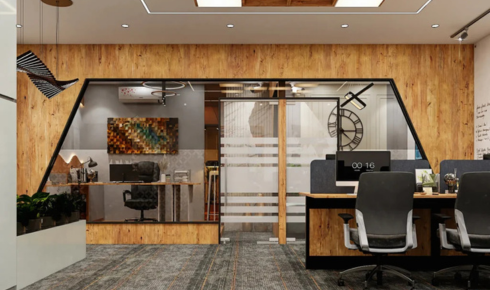
There’s something quietly powerful about a well-designed workspace. It’s not just about furniture placement or wall colors — it’s about creating a rhythm in the room that makes people feel at ease and engaged. Walk into a thoughtfully designed office and you’ll sense it immediately — the air feels lighter, conversations flow easier, and even the coffee tastes a little better. That’s the magic balance between aesthetics and purpose.
The Psychology Behind Design
Our surroundings shape our moods more than we realize. A cramped, dark office can drain motivation faster than a Monday morning meeting, while natural light and open spaces can boost productivity and reduce stress. It’s a delicate balance — comfort without chaos, style without distraction. And this is where office interior designers step in, turning blank walls into stories of focus and creativity.
They understand that every company has a different rhythm. A design studio thrives on openness and collaboration, while a law firm may prefer privacy and acoustic control. The goal isn’t to copy Pinterest — it’s to create an environment that reflects the people inside it.
When Function Meets Flow
Designing an office isn’t about tossing in a few sleek chairs and calling it modern. It’s about flow — how people move, interact, and think within the space. A good designer studies how teams collaborate, where they gather, and even how they unwind. Maybe the conference room doubles as a brainstorming lounge. Maybe the reception needs to whisper professionalism, not shout it.
This thoughtful layering of design and function defines a workspace that works. Every corner has intention — from the angle of a desk to the warmth of a pendant light. And yet, the space feels effortless, like it was always meant to be that way.
Local Expertise, Global Standards
Cities like Minneapolis have quietly become design hubs, blending Midwestern warmth with modern innovation. Working with an office layout consultant minneapolis can make a huge difference because they get the local culture — the way winters influence lighting needs, or how open layouts help balance the long months indoors.
These local consultants bring a pragmatic edge to creativity. They know what works with the city’s architecture, building codes, and even its personality. A Minneapolis workspace, after all, feels different from one in Austin or Seattle. It’s grounded, unpretentious, and often deeply connected to community.
The Rise of Home Workspaces
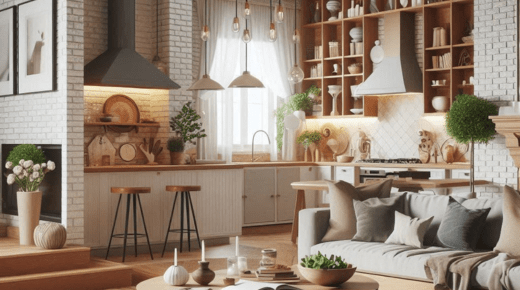
Then there’s the quieter revolution — our homes turning into offices. What started as a temporary fix has evolved into an art form of its own. Designing a home office isn’t about replicating corporate energy — it’s about finding harmony between your personal world and professional life.
People are seeking cozy yet efficient setups that motivate without overwhelming. Natural textures, smart lighting, and adaptable furniture make a world of difference. Businesses offering home office design services now approach these projects with a blend of ergonomics and soul — because the home office isn’t just a desk in a corner anymore; it’s an extension of who we are.
Small Changes, Big Shifts
You don’t need a complete renovation to feel the power of design. Sometimes, small changes — rearranging furniture to catch morning sunlight, introducing plants for a touch of life, adding acoustic panels to soften echoes — can completely transform the mood.
Design isn’t only about visuals. It’s about how you feel in a space. Do you exhale a little when you sit down? Does the light fall softly on your desk at 3 PM? Those little details are what make you stay focused without realizing why.
Designing for Connection
Modern offices aren’t just about productivity anymore — they’re about connection. The best designs encourage spontaneous conversation, not just scheduled meetings. They invite collaboration through comfort. Lounge corners, soft lighting, and coffee nooks become the heartbeat of creativity.
Designers are moving beyond sterile minimalism. They’re bringing back warmth — textured walls, earthy tones, handcrafted pieces that remind people they’re not machines. Because when employees feel at home, ideas flow more freely.
Technology Meets Tranquility
We can’t ignore the tech side either. From smart lighting that adjusts to circadian rhythms to noise-cancelling panels that double as art installations — technology is seamlessly merging with design. The trick is subtlety. You want tech that supports, not dominates.
Some offices even use scent diffusers programmed to boost concentration or relaxation throughout the day. It might sound fancy, but it works. Little sensory cues — sound, light, scent — all shape how we perform and feel at work.
Sustainability Is the New Standard
Sustainability isn’t a buzzword anymore; it’s a baseline expectation. Reclaimed wood, recycled glass, energy-efficient systems — they’re not just eco-friendly, they tell a story of responsibility. People want to work in spaces that reflect values, not just brands.
Even small design choices, like modular furniture that can evolve with the team, cut down on waste while allowing flexibility. And natural materials don’t just look good; they feel good. The texture of real wood or the coolness of stone grounds people in an increasingly digital world.
Wrapping Up: Design That Feels Human
At its heart, good design isn’t about luxury or perfection. It’s about creating places that make people feel good about showing up — whether it’s to a buzzing downtown office or a quiet corner of their home. It’s about designing spaces that respect time, emotion, and individuality.
The next time you walk into your office, pause for a second. Notice how the space speaks to you — through light, sound, and flow. Because design isn’t just what you see. It’s what you feel when you belong.