If there’s one thing homeowners eventually discover, it’s that water quality matters more than most of us realize. It’s not just about taste — it’s about what flows through your pipes, touches your skin, and fills your appliances. Hard water, high TDS, and hidden contaminants can slowly take a toll on everything. That’s where the world of softeners and filtration systems comes in — but if you’ve ever flipped through a manual and felt lost, you’re not alone. Let’s break it all down, in plain English, with a bit of curiosity and a touch of lived experience.
Understanding Your Water Softener — and Its Manual
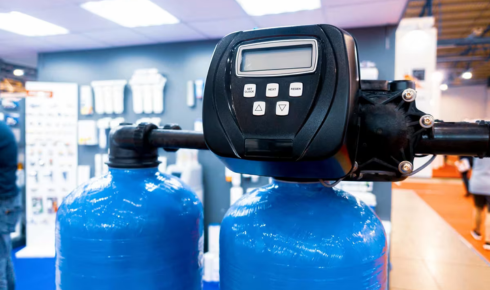
Most people don’t read the user manual until something goes wrong. You know the feeling — the water suddenly feels “off,” dishes come out spotty, or the softener seems to hum louder than usual. That’s when you dig through drawers looking for that little booklet. The simply clear water softener manual isn’t just a set of boring instructions. It’s actually a treasure map for better water.
Inside, you’ll usually find not just operation steps but key details about regeneration cycles, salt levels, and how to adjust hardness settings. Many softeners work on a timed system — they clean themselves after a set number of gallons. But the best way to stretch the system’s lifespan is to actually follow those tiny maintenance cues the manual suggests. For instance, checking for salt bridges or cleaning the resin tank can make a real difference. A little attention goes a long way.
When Filters Need Love — Replacements and Reality
No matter how fancy your system is, filters don’t last forever. The truth is, a lot of people forget that part entirely. Water may still “look” fine, but the invisible side of things — minerals, chlorine, and sediments — could be sneaking through. That’s where ero 175 replacement filters come in.
These filters, part of a reverse osmosis setup, are the heart of clean water production. The ERO 175 is a solid home system, but if you don’t change its filters regularly, it’s like driving your car without changing the oil. You’ll notice the signs: slower flow rate, flat taste, or even a faint odor creeping back. Swapping them out on schedule doesn’t take long and can restore that crisp, clean water quality instantly.
If you’re into DIY, most replacement jobs are straightforward — twist, lock, flush the system, and you’re good to go. But if it feels intimidating, having a local technician do an annual check-up can save you from future headaches. Think of it as preventive healthcare for your home.
A Quiet Revolution in Water Filtration
There’s something quietly amazing about modern reverse osmosis systems. They work behind the scenes, day after day, separating pure water from unwanted elements through semi-permeable membranes — no big fuss, no complicated buttons. One system worth knowing about is clearflo reverse osmosis, which takes that everyday process and makes it more efficient and user-friendly.
Clearflo’s systems are known for their minimalist design and reliability. They tend to remove up to 99% of contaminants while keeping the setup sleek and compact — something you can actually fit neatly under your sink without feeling like you’ve installed a science experiment. The taste difference is undeniable too. If you’ve ever switched from tap to RO-filtered water, you know that moment of “Oh, wow — this is what clean water’s supposed to taste like.”
What makes Clearflo appealing is that it bridges the gap between performance and practicality. You don’t need to be a plumber to understand how it works — the system is built with everyday homeowners in mind. And when paired with a softener, it creates a kind of dream team: one system handles minerals, the other removes impurities.
The Overlooked Art of Water Maintenance
Here’s a little secret — most water systems don’t fail because they’re low quality. They fail because they’re ignored. It’s easy to forget about something that hides in a utility closet, doing its job quietly every day. But those quiet systems deserve a bit of your attention.
Routine checks once a month, a salt refill when needed, a quick filter swap every six months — these little acts of care can extend your system’s life by years. It’s also good practice to jot down the installation date and last maintenance in your phone notes or on a sticker near the unit. When something feels “off,” you’ll have a point of reference.
And don’t underestimate the importance of good installation. Even the most advanced softener or reverse osmosis setup can underperform if the plumbing isn’t right. If you’re moving into a new home or replacing an older system, invest in professional installation. It’s not glamorous, but it’s one of those decisions that pays for itself quietly over time.
A Few Signs It’s Time to Act
Sometimes, your water tells you what’s wrong — you just have to notice.
- Dishes with white spots after washing? That’s hard water buildup.
- Hair or skin feeling dry? Possibly mineral-heavy water.
- Slow flow from your tap? Filters might be clogged.
- Water tastes flat or “stale”? Time to check those cartridges.
If you’re using well water, sediment and iron can accelerate wear on softeners and filters. City water, meanwhile, often brings chlorine and chemical traces that only good filtration can handle. Knowing your source helps tailor your solution.
Final Thoughts: Respect the System
It’s funny how something as simple as water can have so many layers to it. Yet when you look at it, it’s also one of the easiest home improvements to appreciate. Better water means cleaner dishes, softer clothes, longer-lasting appliances, and, honestly, a better shower every morning.
Whether you’re flipping through a simply clear water softener manual, changing ero 175 replacement filters, or installing a clearflo reverse osmosis unit, it’s all about taking back control of your water quality. Not in a techy, complicated way — but in a practical, everyday kind of way.
Good water doesn’t just happen; it’s maintained, understood, and appreciated. Take a few minutes to learn your system. Once you do, you’ll realize it’s not just about filtration — it’s about making your home run smoother, and your daily life a little clearer, one glass at a time.