Hot water has a funny way of fading into the background—until it doesn’t show up when you expect it. A half-warm shower on a rushed morning. Running out of hot water halfway through dishes. That quiet frustration most of us accept as normal, simply because it’s always been that way.
But expectations change. Homes change. Lifestyles change. And over the last few years, many homeowners have started questioning whether the old way of heating water still makes sense. Not because something broke, necessarily, but because the idea of “good enough” doesn’t feel quite good enough anymore.
The Subtle Frustrations We Learn to Tolerate
Traditional water heaters train us to plan around them. Don’t shower too long. Don’t run the dishwasher while someone’s bathing. Space things out. These habits become second nature, so much so that we rarely stop to question them.
It’s only when people experience something different—at a friend’s house, a hotel, or a newly renovated home—that the realization hits. Hot water doesn’t actually have to run out. It doesn’t have to be rationed. It doesn’t have to be something you think about at all.
That moment of comparison is often the spark that leads people to explore alternatives.
A Different Approach to Heating Water
At its core, a tankless water heater works on a simple idea: heat water only when you need it. No large storage tank. No reheating water that’s just sitting there. No guessing how much hot water is left.
For many homeowners, this concept feels almost obvious once they hear it. Why heat gallons of water all day long when usage is unpredictable? Why dedicate floor space to a bulky tank when technology allows something more compact and efficient?
It’s not that traditional heaters are suddenly bad. They’re just… dated. Like a flip phone that still technically works, but feels out of step with how we live now.
The Lifestyle Shift People Don’t Expect
What surprises most homeowners isn’t the technology—it’s the lifestyle change. With modern tankless systems, hot water becomes invisible again. You stop planning around it. You stop worrying about who showered last. You stop rushing through routines just in case.
Families notice this shift immediately. Back-to-back showers become a non-issue. Laundry and dishes can run simultaneously. Guests don’t throw off the rhythm of the house.
It’s a small change on paper, but a meaningful one in daily life. Less coordination. Less compromise. Less background irritation.
Energy Use Without the Guesswork
Energy efficiency is often mentioned in discussions about tankless heaters, but it’s rarely explained in a way that feels practical. The real benefit isn’t just lower bills—it’s smarter usage.
Instead of heating and reheating water around the clock, energy is used in short, purposeful bursts. That means less waste during periods of low demand. For households with irregular schedules, this can make a noticeable difference over time.
That said, efficiency isn’t magic. Results depend on usage patterns, system sizing, and proper setup. Which is why the decision shouldn’t be rushed or based on marketing alone.
Installation Is Where Expectations Meet Reality
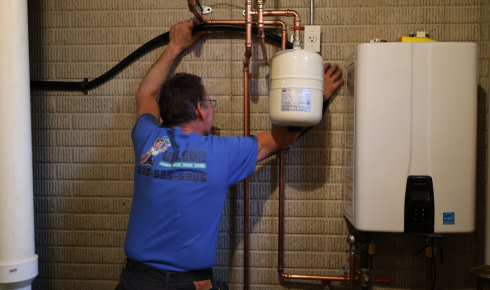
One misconception is that switching to tankless is as simple as swapping one unit for another. In reality, it’s a bit more nuanced. Electrical capacity, gas supply, venting, and water pressure all play a role in how well the system performs.
This is where experience matters. A system that’s improperly sized or installed can underperform, no matter how advanced the technology. On the flip side, a well-planned setup feels seamless from day one.
Homeowners who take time to understand what’s involved—rather than assuming it’s plug-and-play—tend to be far more satisfied with the outcome.
Maintenance Isn’t Complicated, But It Is Important
Tankless heaters don’t eliminate maintenance entirely. They change it. Periodic flushing, mineral buildup management, and routine checks help keep performance consistent over time.
The good news is that this upkeep is predictable and manageable, especially when handled by professionals who install and service these systems regularly. Preventive care tends to be simpler than dealing with unexpected failures or performance drops.
Like most home systems, attention beats neglect. A little care goes a long way toward longevity.
The Space Factor No One Talks About Enough
One underrated benefit of going tankless is space. Traditional tanks take up a surprising amount of room, often in basements, garages, or utility closets that could be used better.
Tankless units are compact. They mount on walls. They free up floor space without sacrificing function. For smaller homes or those already juggling storage, this can be a quiet but welcome bonus.
It’s not the main reason people switch—but once they do, it’s something they appreciate more than expected.
Cost: The Question Everyone Asks
Let’s be honest—cost matters. Tankless systems typically require a higher upfront investment than traditional tanks. There’s no getting around that. But the full picture includes more than the initial number.
Longer lifespan. Reduced energy waste. Fewer emergencies caused by tank failures. These factors don’t show up immediately, but they influence long-term value.
Homeowners who approach the decision with a long view—rather than focusing solely on upfront cost—often feel more confident and less surprised down the road.
Who Benefits Most From Going Tankless?
Tankless systems aren’t for everyone. Homes with very low water demand may not see dramatic benefits. Older homes may require upgrades to support them. And some people simply prefer what they already know.
But for households that value consistency, efficiency, and modern convenience, tankless often feels like a natural evolution. Not an indulgence. Just a better fit.
The key is honest evaluation, not assumptions.
A Thoughtful Ending to a Practical Upgrade
Hot water shouldn’t be something you plan around. It should be there when you need it, quietly doing its job without asking for attention.
Choosing a tankless system isn’t about chasing trends. It’s about aligning your home with how you actually live. Less compromise. Less waste. Less thinking about something that should be simple.
When the water stays hot, the space stays open, and the system fades into the background, you don’t feel excited. You feel comfortable.
And in a home, comfort—especially the kind you stop noticing—is often the best upgrade of all.