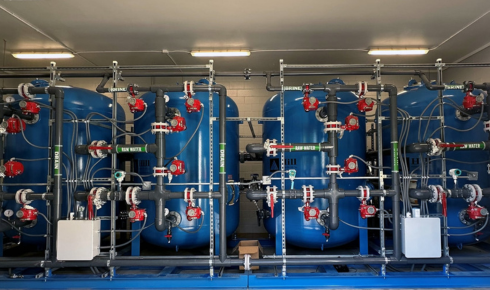
If you’ve ever run a business in Los Angeles, you know water isn’t just something that comes out of the tap. From restaurants to offices to manufacturing facilities, the quality and consistency of water can make a bigger difference than most people realize. It affects everything—from appliances and plumbing to food quality and employee comfort. And in a city like LA, where water sources are diverse and mineral-rich, ignoring it can cost you more than you think.
That’s why commercial water systems are increasingly becoming a priority for local businesses. From softening solutions to filtration systems, the right setup can save money, reduce maintenance, and even improve daily operations.
The Hidden Costs of Hard Water
Hard water is one of the quietest, yet most persistent issues businesses face. It contains high levels of calcium and magnesium, which can build up in pipes, boilers, and water-using appliances. Over time, this buildup—known as scale—reduces efficiency, increases energy costs, and can shorten the lifespan of expensive equipment.
For a restaurant or cafe, hard water can change the taste of beverages or leave spots on glassware. For laundries, hotels, or spas, it makes towels and linens feel stiff and look dingy, even after proper washing. And for offices, it’s the silent frustration of clogged coffee machines or water coolers that need constant maintenance.
Installing a commercial water softener Los Angeles is one way businesses combat these issues. By exchanging the calcium and magnesium ions for sodium or potassium, these systems reduce scaling and help water behave in a way that’s friendlier to both equipment and humans.
Filtration Beyond Softening
While softeners address hardness, they don’t solve every water challenge. LA’s municipal water supply, while safe to drink, can contain chlorine, sediment, and trace chemicals that affect taste, odor, and even the efficiency of certain processes.
That’s where a commercial water filtration system Los Angeles comes in. Filtration can include carbon filters, sediment filters, or even reverse osmosis setups, depending on the business’s needs. Restaurants may focus on taste and odor, while industrial facilities prioritize contaminant removal to protect machinery.
Pairing filtration with a softener often delivers the best results. Not only do employees enjoy cleaner, tastier water, but equipment lasts longer, and maintenance schedules become more predictable.
Choosing the Right Commercial Water System
One size doesn’t fit all when it comes to commercial water solutions. Restaurants, hotels, manufacturing plants, and offices all have different water demands, and the best system for one business may be overkill—or insufficient—for another.
When considering a commercial water system, factors like water volume, usage patterns, and specific water quality issues should guide the decision. A cafe with high espresso demand will have different needs than a gym or a beauty salon. Understanding your usage and potential problem areas helps you select a system that provides value without unnecessary complexity.
Consulting with local experts is often the smartest first step. They can analyze water samples, predict maintenance requirements, and recommend solutions that align with both budget and operational goals.
Installation and Maintenance: What to Expect
Some business owners hesitate when they hear “installation” because they imagine a disruptive, multi-day affair. The reality is that modern commercial water systems are designed to integrate smoothly with existing plumbing. Experienced technicians handle the setup, ensuring proper flow, filtration, and softening while minimizing downtime.
Maintenance is also simpler than you might expect. For water softeners, regular salt refills or checks on automatic regeneration cycles are standard. Filtration systems typically require scheduled filter replacements, which can often be coordinated with routine building maintenance. Over time, the minimal effort pays off through lower utility bills, fewer repairs, and better water quality.
The Long-Term Benefits
Investing in a commercial water system may feel like an upfront cost, but the long-term benefits are tangible. Appliances last longer, cleaning becomes more efficient, and employee satisfaction rises when water tastes fresh and behaves predictably.
Hotels and restaurants, in particular, benefit from improved guest experiences. Patrons notice when coffee tastes cleaner, when ice doesn’t carry a chemical taste, and when faucets deliver consistent water temperature and clarity. These subtle touches contribute to customer satisfaction and repeat business—factors that are often underestimated.
Environmental Considerations
In Los Angeles, where water conservation is always on the agenda, commercial water systems can also support sustainability initiatives. By preventing scale and reducing wasteful water use, businesses minimize their environmental footprint. Filtration systems can reduce the need for bottled water or single-use plastic, which aligns with growing expectations from environmentally conscious customers and employees alike.
Some companies even publicize these eco-friendly practices, adding another layer of value. When a business combines cost savings, operational efficiency, and environmental responsibility, it creates a compelling narrative for both internal and external stakeholders.
Practical Tips for Choosing a System
When evaluating systems, start with water testing. Understanding your specific mineral content, contaminant levels, and overall water quality helps prevent overbuying or underperforming solutions.
Next, consider usage patterns. A commercial kitchen may need high-flow softeners and filters capable of handling hundreds of gallons per day, while a boutique office may require a smaller system focused on taste and odor.
Finally, factor in space and convenience. Some water systems are freestanding, others integrate under sinks, and some combine softening and filtration in one unit. Accessibility for maintenance and minimal disruption to business operations should be a priority.
Avoiding Common Pitfalls
Many businesses make the mistake of installing a system without a clear plan for maintenance. A neglected water softener or filter can quickly lose effectiveness, leaving equipment vulnerable and water quality compromised.
Another common misstep is underestimating the volume of water usage. Even high-quality systems can struggle if undersized for the actual demand, leading to inconsistent results. Consulting with experienced providers ensures the system is tailored to the specific needs of your operation.
Staying Ahead of Water Issues
In Los Angeles, businesses can’t afford to ignore water. Whether it’s protecting expensive kitchen equipment, maintaining soft linens, or ensuring every glass of water tastes crisp, the quality of your water directly impacts operational efficiency and customer satisfaction.
Regular monitoring and maintenance, paired with the right combination of softening and filtration, allows businesses to stay ahead of issues rather than react to them. Investing in the proper commercial water solutions is a proactive approach that pays dividends over time.
Final Thoughts
Water is one of those invisible but indispensable parts of running a business. When it’s managed properly, it quietly supports operations, reduces costs, and enhances experiences. When it’s ignored, it slowly chips away at efficiency and satisfaction.
For Los Angeles businesses, taking control of water quality isn’t just practical—it’s strategic. From a commercial water softener Los Angeles to a complete commercial water filtration system Los Angeles, the right setup transforms everyday water from a potential problem into a smooth, reliable resource.
And when a system is carefully selected, properly installed, and maintained, your team, customers, and bottom line all benefit. That’s the quiet power of a well-managed commercial water system—one that works behind the scenes, day after day, without ever asking for attention, but making a world of difference.