You’d think water is just… water, right? Clear, clean, refreshing. But here’s the truth: not all water feels, tastes, or behaves the same. Some water leaves your skin feeling smooth after a shower, while other kinds make it squeaky and dry. Some makes your tea taste crisp; some turns your kettle into a chalky science project. That’s where the mystery of water hardness and softness comes in — something that affects nearly every home, often unnoticed.
Knowing whether your water is soft or hard isn’t about becoming a chemistry nerd — it’s about making your life a little easier. It can change the way you clean, bathe, and even how long your appliances last. Let’s talk about how you can actually figure it out — in simple, human terms — without turning your kitchen into a lab.
What Does “Hard” or “Soft” Water Even Mean?
Water hardness sounds like something you’d measure with a ruler or hammer, but really, it’s all about minerals. Hard water is loaded with calcium and magnesium, the same minerals that form limestone. When your water travels through rock and soil, it picks them up along the way — great for bones, not so great for plumbing.
Soft water, on the other hand, has fewer minerals. It feels smoother on your skin and makes soap lather more easily. Ever visited a hotel where the shampoo foams up like a dream? That’s probably soft water.
Hard water isn’t dangerous, but it can be annoying — leaving limescale on faucets, dulling laundry, or giving you that sticky, “not quite clean” feeling after washing.
So, how can you tell which kind flows through your home?
Simple Ways to Test for Soft Water
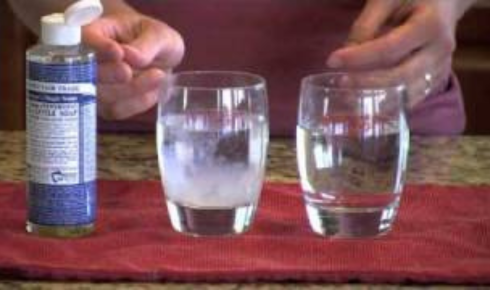
You don’t need fancy tools to start. Sometimes, your senses do a better job than science. Try this: take a clear bottle, fill it halfway with tap water, add a few drops of dish soap, and shake it up.
If the water forms lots of bubbles and looks clear, it’s soft. If it looks cloudy and produces few bubbles, it’s hard. That’s the simplest way to get an idea of your water type.
You can also pay attention during everyday routines. Soft water usually makes your hair feel silkier and your clothes fluffier after washing. If soap or shampoo lathers easily, you’re probably dealing with the softer stuff.
For those who want confirmation, you can learn how to test for soft water with affordable home kits found online or at hardware stores. They often come with color-changing strips that reveal mineral levels — like litmus tests for your tap.
Understanding Water Hardness Levels
Testing is only half the story. Once you know whether your water is soft or hard, it helps to understand how hard. That’s where hardness levels come in, usually measured in parts per million (ppm) or grains per gallon (gpg).
- Soft water: 0–60 ppm (0–3.5 gpg)
- Moderately hard water: 61–120 ppm (3.5–7 gpg)
- Hard water: 121–180 ppm (7–10.5 gpg)
- Very hard water: 181+ ppm (10.5+ gpg)
The higher the number, the more minerals are dissolved in your water. The result? More scale, more cleaning, and sometimes, more frustration.
Learning how to measure water hardness accurately can be eye-opening. It’s not about obsessing over numbers — it’s about knowing what’s really in your home’s most essential resource.
The Everyday Clues Are Everywhere
Even without a test kit, your home probably tells the story already. Hard water leaves clues — subtle, but persistent:
- A dull film on shower doors or glassware
- White, crusty buildup on taps or appliances
- Towels that feel rough or stiff after washing
- Faded clothes and cloudy dishes
- Dry skin or lifeless hair after a shower
If several of those ring a bell, your water’s on the harder side. Soft water, by contrast, makes things feel lighter — soap rinses off easily, laundry feels fresher, and even your tea or coffee tastes a bit smoother.
Sometimes it’s those tiny, everyday frustrations that lead you to discover how to check water hardness in the first place.
Test Kits: The Easy Way to Know for Sure
If you’re the type who likes seeing hard evidence (pun intended), grab a water hardness test kit. Most come with simple instructions: dip the test strip into your tap water, wait a few seconds, and compare the color to the provided chart.
That’s it — instant clarity. Some digital testers even give exact hardness readings in real time. It’s oddly satisfying to see the numbers pop up and finally know what’s been behind those mysterious spots on your sink.
If you prefer more precision, you can send a water sample to a lab. It’s not expensive, and you’ll get a full report showing calcium, magnesium, and even trace elements like iron or chlorine. Perfect if you’re planning on installing a softener or filtration system.
The Case for Water Softeners
If your water tests as hard, you might wonder — is it worth fixing? The answer depends on how much the hardness affects you. Hard water can shorten the lifespan of water heaters, washing machines, and dishwashers by building up scale inside.
A water softener replaces the calcium and magnesium ions with sodium or potassium ions, making the water “soft.” It’s a long-term investment, but one that can save you money (and cleaning time) down the line.
But not everyone needs one. Some people prefer the mineral-rich taste of hard water, especially for drinking. In that case, spot-treating problem areas — like adding filters to faucets or descaling appliances — can work just fine.
Small Tweaks That Make a Big Difference
If you’re not ready to install anything, there are smaller hacks you can try. Use vinegar or lemon to dissolve limescale, switch to detergents designed for hard water, or clean showerheads with baking soda paste.
You can also get shower filters that slightly reduce hardness, improving how water feels on your skin. They’re cheap, easy to install, and surprisingly effective for everyday comfort.
Why It All Matters
You might wonder — does any of this really matter? After all, humans have lived with hard and soft water forever. True, but when you realize how much water touches your life — from cooking and cleaning to skincare and laundry — it’s worth knowing what kind you have.
Soft water feels luxurious but can sometimes taste flat. Hard water has character, but it demands upkeep. Once you understand your water’s makeup, you can adjust your habits to make the most of it.
The Takeaway
Testing your water isn’t about overcomplicating things — it’s about awareness. It’s knowing why your kettle needs scrubbing every week, or why your favorite black T-shirt keeps fading.
So, next time you fill a glass from the tap, take a second look. Maybe give it a little swirl. Somewhere in that ordinary glass is a tiny world of minerals, chemistry, and balance — and the better you understand it, the better you can make it work for you.