There’s a moment most homeowners reach eventually. You’ve cleaned the faucet again. You’ve replaced another appliance sooner than expected. You’ve accepted that towels feel rough and showers leave your skin a little dry. None of it feels dramatic enough to spark urgency, but together, it creates a quiet frustration. You start to wonder if this is just how houses are.
Often, it’s not the house at all. It’s the water.
Water is one of the few things that touches every corner of a home. It runs through pipes, fills appliances, sprays onto skin, and disappears down drains dozens of times a day. When it’s balanced, you barely notice it. When it’s not, it slowly reshapes daily life in ways that are easy to normalize—and hard to fix piecemeal.
The Problem With Fixing One Room at a Time
Most people respond to water issues locally. A filter under the sink for drinking. A new showerhead to improve pressure. Special detergents to fight residue in laundry. These fixes aren’t wrong, but they’re limited.
Water doesn’t change personality from room to room. If it’s carrying minerals, sediment, or excess chemicals, it brings them everywhere. Treating one outlet while ignoring the rest is a bit like mopping one corner of a floor during a rainstorm.
That’s why many homeowners eventually start thinking bigger—not because they want complexity, but because they want consistency.
Looking at the System Instead of the Symptoms
When water enters a home, it follows a single path before branching out. Every sink, shower, appliance, and hose draws from that same source. Addressing quality at the entry point changes how water behaves everywhere downstream.
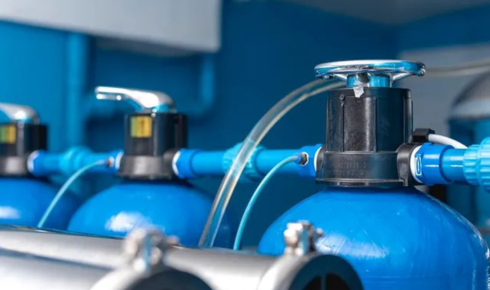
This is the idea behind whole house water treatment. Instead of reacting to individual annoyances, you deal with the underlying cause once. The result isn’t flashy. It’s subtle, widespread improvement that touches daily routines without demanding attention.
Dishes come out cleaner. Showers feel gentler. Fixtures stay brighter longer. The house feels less demanding, even if you can’t immediately explain why.
What Happens Inside the Walls Matters
Pipes don’t get much sympathy. They’re hidden, silent, and expected to last forever. But they’re constantly interacting with whatever water carries through them. Minerals can cling to pipe walls. Sediment can settle in low spots. Over time, flow paths narrow and surfaces roughen.
These changes affect pressure, efficiency, and longevity. They also affect the systems connected to those pipes—heaters, valves, pumps, and appliances that rely on predictable flow.
When water is treated before it reaches the plumbing network, it helps protect your plumbing in ways that aren’t immediately visible but are deeply important. Fewer deposits form. Components move more freely. Systems work closer to how they were designed.
Comfort Is the First Clue Something Changed
Most people don’t notice improved water quality by analyzing data. They notice it in how things feel. Soap rinses clean. Hair behaves better. Laundry feels softer. Cleaning takes less effort.
These changes aren’t dramatic enough to impress guests, but they matter to the people who live there every day. Comfort improves quietly. Friction fades. Daily routines stop feeling like work.
It’s not about luxury. It’s about removing unnecessary resistance from ordinary life.
Appliances Appreciate Good Water Too
Water-using appliances are some of the most expensive items in a home, and they’re also some of the most vulnerable to poor water quality. Heating elements, spray arms, internal valves—all of them suffer when minerals and sediment build up.
Better water doesn’t make appliances immortal, but it helps them age more gracefully. They run more efficiently. They need fewer repairs. They last closer to their expected lifespan.
You might not celebrate this, but you’ll notice fewer breakdowns and fewer surprise expenses over time.
Why Prevention Feels Boring (and Works Anyway)
One reason homeowners delay system-wide improvements is that prevention doesn’t feel satisfying. There’s no single “before and after” photo. No dramatic reveal. You’re investing in things not going wrong.
But boring systems are usually the best ones. They don’t interrupt your life. They don’t demand attention. They just work.
Preventative water treatment spreads wear evenly instead of concentrating it into emergencies. It turns sudden failures into predictable maintenance. And it does so quietly, without fanfare.
One Home, One Set of Needs
It’s worth saying clearly: not every home needs the same setup. Water quality varies by region, by supply source, even by neighborhood. Household size, plumbing age, and usage patterns all matter.
That’s why thoughtful evaluation matters more than generic advice. The goal isn’t to install the biggest or most expensive system. It’s to address the actual challenges your water presents—and nothing more.
When solutions fit the situation, satisfaction follows naturally.
The Mental Space You Get Back
There’s an emotional benefit to reliable systems that rarely gets mentioned. When your home stops surprising you, mental space opens up. You stop budgeting for emergencies. You stop wondering what will break next.
The house feels supportive instead of needy. That shift affects how you experience the space every day, even if you never consciously think about water again.
And that’s kind of the point.
Letting Water Fade Into the Background
In the best homes, water is invisible. It flows, cleans, heats, and rinses without leaving traces behind. You don’t think about scale, pressure, or residue. You just live.
Achieving that invisibility isn’t luck. It’s the result of addressing water as a system, not a series of unrelated problems.
When water works everywhere, everything else feels easier. And in a world where homes already ask a lot of us, that quiet reliability might be one of the most valuable upgrades you can make.