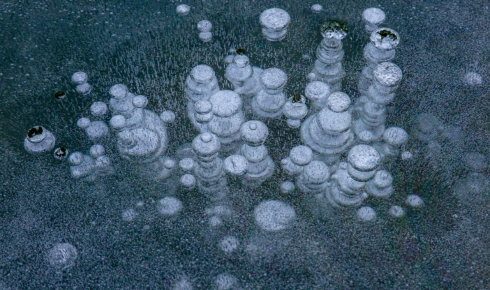
You turn on the faucet, and instead of a quiet stream, you notice bubbles dancing in the glass. Maybe there’s a faint popping sound. Maybe the water looks cloudy for a moment and then clears. At first, it feels odd—but easy to ignore. Still, a small voice in your head asks, Is this normal?
For many homeowners, especially those using private wells, this is how questions about methane and gas in water begin. It’s not a topic most people expect to deal with, yet once you notice it, it’s hard to forget. Let’s slow things down and talk through what’s really happening, without panic or jargon.
Why Gas Shows Up in Water at All
Water doesn’t always travel alone. As groundwater moves through soil and rock, it can pick up dissolved gases along the way. In some regions, that’s perfectly normal. In others, it’s more noticeable—especially in rural or well-dependent areas.
One of the most talked-about examples is methane in water. Methane is a naturally occurring gas, often formed as organic material breaks down underground. In certain geological conditions, it dissolves into groundwater and makes its way into household taps.
Important distinction here: methane in water is not the same thing as contaminated drinking water. It’s not toxic when ingested in small amounts. The real concern isn’t what it does inside your body—but what it can do once it leaves the water and enters the air.
The Signs People Usually Notice First
Most homeowners don’t test for methane because they read about it online. They test because something feels off.
Common signs include:
- Water that looks milky or fizzy when first poured
- Popping or sputtering from faucets
- Air bursts when filling a bathtub or sink
- A slight pressure surge in plumbing
In some cases, people assume it’s air in the pipes after maintenance. Sometimes it is. But when it keeps happening, the explanation often points toward gas in water rather than a plumbing glitch.
And here’s the tricky part—these symptoms don’t always feel urgent. That’s why methane issues can go unnoticed for years.
Taste, Smell, and the “Is This Dangerous?” Question
Methane itself is odorless and tasteless. So if your water smells like rotten eggs, that’s usually hydrogen sulfide—not methane. Still, the absence of smell doesn’t mean there’s nothing to look into.
The real risk appears when methane escapes from water into enclosed spaces. Over time, that gas can accumulate in well pits, pump houses, or basements. In rare but documented cases, this buildup has led to flammability concerns.
This is where methane gas in water becomes more than a curiosity—it becomes a safety topic. Not because your water is poisoning you, but because trapped gas and enclosed air don’t always mix well.
Why Well Owners Face This More Often
Municipal water systems are usually treated and aerated before reaching homes. Private wells? They deliver groundwater much closer to its natural state. That’s both a benefit and a responsibility.
Well owners often enjoy fresher, untreated water—but they also have to be more proactive about testing. Methane isn’t included in many basic water tests, which means it can fly under the radar unless specifically checked.
And unlike bacteria or nitrates, methane doesn’t make people sick right away. It’s quiet. Subtle. Easy to live with—until it isn’t.
Testing: The Calm, Sensible First Step
If you suspect gas in your water, testing is the smartest move. Not guessing. Not Googling worst-case scenarios at 2 a.m. Just testing.
A proper test will measure:
- Dissolved methane levels
- Other gases that may be present
- Overall water chemistry that affects gas release
The results help determine whether action is needed and what kind. In many cases, methane levels are low and require nothing more than monitoring. In others, simple treatment can reduce the issue dramatically.
Knowledge lowers anxiety. It replaces “What if?” with “Here’s what’s actually happening.”
Treatment Options That Make Sense
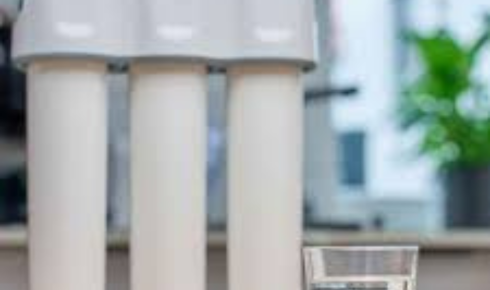
If methane levels are elevated, the most common solution is aeration. This involves exposing water to air in a controlled way, allowing gas to escape safely before the water enters your home.
There are different styles—some use vented tanks, others rely on spray aeration or packed columns. The goal is the same: remove gas before it becomes a household problem.
What matters most is proper design and installation. A system that’s sized and vented correctly is effective, quiet, and low-maintenance. A rushed or undersized setup? Not so much.
This is why professional guidance matters. Methane treatment isn’t about overcorrecting—it’s about right-sizing.
Living With Confidence, Not Fear
It’s easy to feel uneasy once you learn gas is coming out of your tap. That reaction is human. But here’s the reassuring truth: methane in water is a known, manageable issue.
Thousands of homes deal with it safely every day. With testing, proper ventilation, and a clear understanding of your water system, it becomes just another part of home maintenance—no scarier than a sump pump or a furnace.
The biggest risk isn’t methane itself. It’s ignoring warning signs because they seem strange or inconvenient.
Final Thoughts: Curiosity Is a Strength
If your water bubbles, hisses, or behaves oddly, pay attention. Not with panic—but with curiosity. Ask questions. Get answers. Take action if needed.
Water doesn’t have to be perfect to be safe. It just has to be understood.
And once you understand what’s happening beneath the surface, you’ll find that even something as unexpected as gas in water can be handled calmly, clearly, and confidently.